



One of the most important elements influencing whether forex brokerages succeed or fail is regulatory compliance. Brokers are under increasing pressure to prove transparency, safeguard client data, and exhibit complete control over operations as international regulators tighten oversight. Selecting the best forex CRM provider is now a strategic compliance necessity rather than a back-office choice.
Related articles:
- Forex CRM: How to Choose the Best Provider for Your Brokerage
- Smart Prop Trading Tactics for Cleaner Risk Management
The Compliance Challenges Forex Brokers Face Today
One of the most strictly regulated financial sectors is where forex brokers work. In addition to being stringent, regulations are dispersed throughout different regions, which makes it structurally difficult for brokers to operate globally.
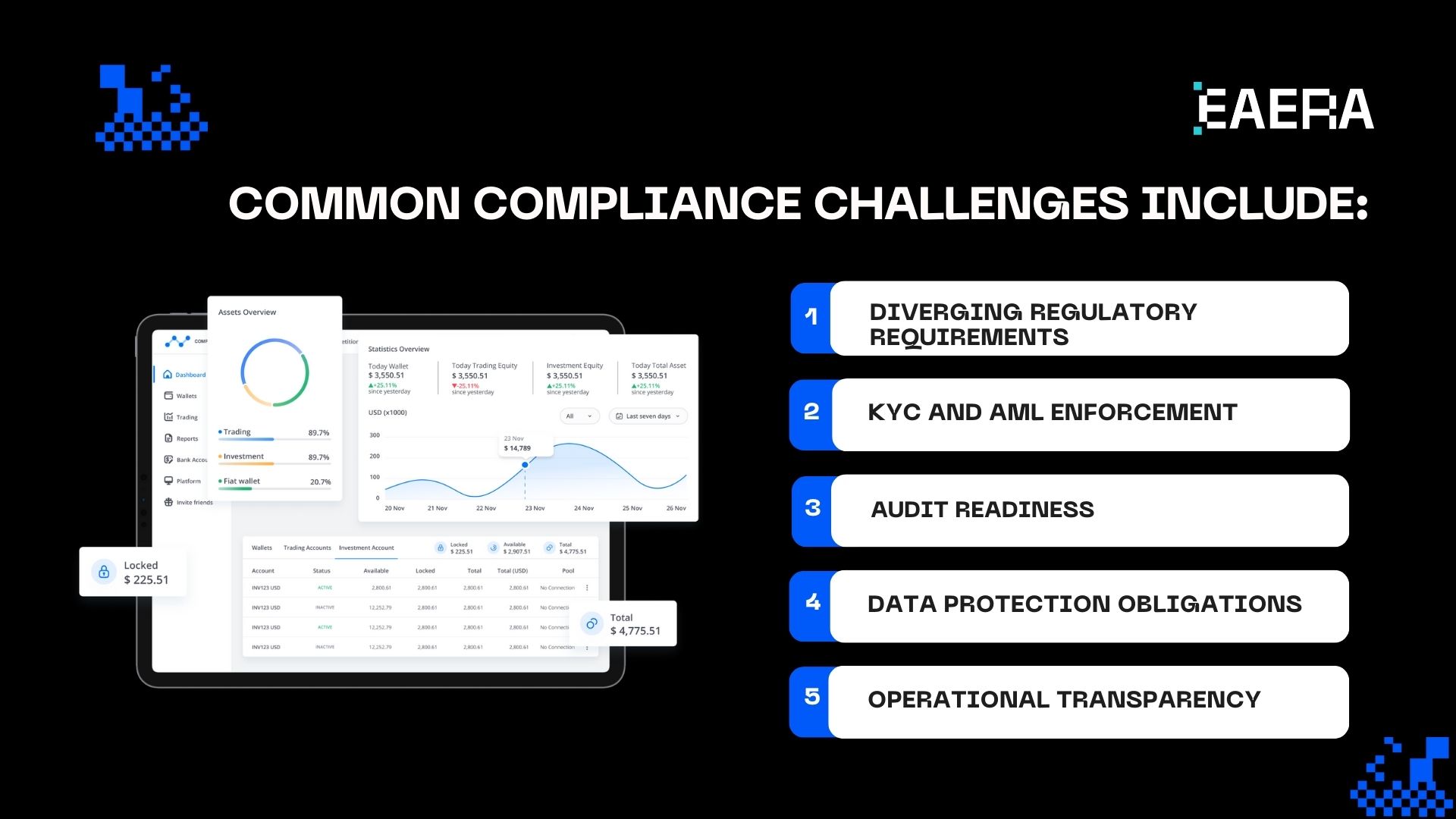
Common compliance challenges include:
- Diverging regulatory requirements across jurisdictions such as FCA, CySEC, ASIC, or offshore regulators
- KYC and AML enforcement with increasing expectations for real-time monitoring
- Audit readiness, including the ability to provide historical data on demand
- Data protection obligations, especially under GDPR and similar frameworks
- Operational transparency for regulators, partners, and payment providers
Brokers frequently use spreadsheets, disjointed tools, or manual checks in the absence of centralized systems. This method exposes businesses to compliance violations, increases human error, and slows response times. To overcome these obstacles, a specialist forex CRM provider addresses these challenges by embedding compliance into daily workflows rather than treating it as an afterthought.
What a Forex CRM Provider Does in a Compliance Context?
Customer communication and sales pipelines are the main focus of a typical CRM. On the other hand, a forex CRM provider is designed especially for broker operations and regulated trading environments.
A forex CRM serves as the control center for all clients, transactions, and operational data from the standpoint of compliance. Its responsibilities include:
- Structuring compliant onboarding processes
- Centralizing client and trading activity data
- Enforcing internal access controls
- Maintaining audit-ready records
A purpose-built forex CRM provider, in contrast to generic systems, is aware of broker-specific realities like multi-wallet accounting, IB structures, and regulator-mandated reporting. This specialization guarantees that rather than being manually policed, compliance is enforced operationally.

Core Compliance Features Every Forex CRM Provider Should Offer
The degree of compliance support provided by different platforms varies. Concrete features that lower operational friction and regulatory risk should be offered by a reputable forex CRM provider.
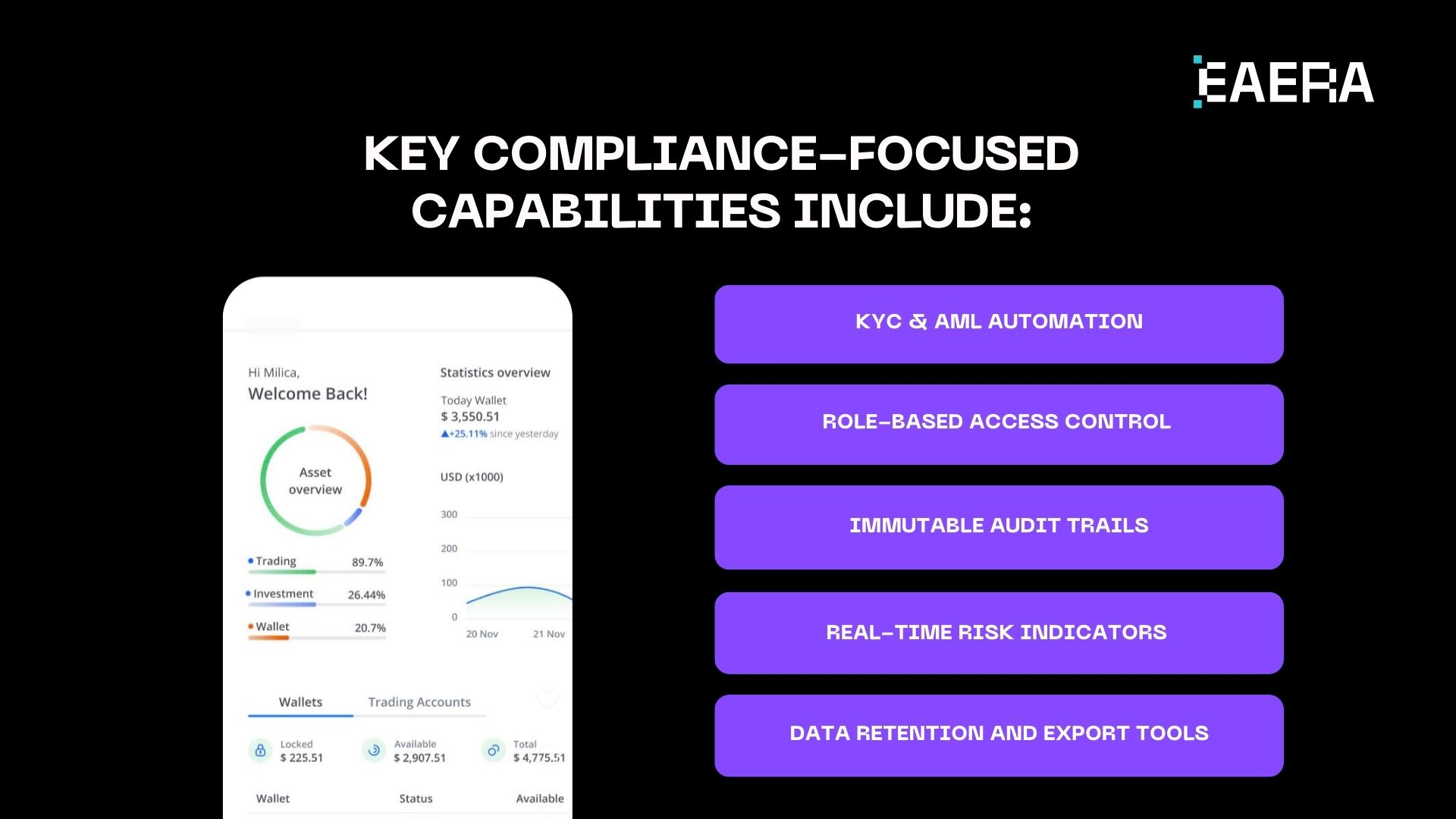
Key compliance-focused capabilities include:
- KYC & AML automation
Automated document collection, verification workflows, and approval tracking reduce onboarding risk and improve consistency. - Role-based access control
Granular permissions ensure sensitive data and actions are restricted to authorized users only. - Immutable audit trails
Every change—account updates, approvals, trading status modifications—is logged and time-stamped. - Real-time risk indicators
Flag suspicious behavior, abnormal transactions, or rule violations instantly. - Data retention and export tools
Enable fast, structured data delivery during audits or regulatory inquiries.
Brokers are compelled to reconstruct compliance evidence retroactively in the absence of these features, which is an expensive and dangerous procedure. Compliance is directly incorporated into system design by a strong forex CRM provider.
How a Forex CRM Provider Supports Multi-Region Regulations?
Scaling across regions increases the complexity of compliance. Every jurisdiction has its own requirements for data handling, reporting formats, and onboarding procedures. This diversity must be accommodated by a scalable forex CRM provider without causing operations to become fragmented.
Key capabilities include:
- Entity-based configuration
Apply different compliance rules per license, brand, or country. - Jurisdiction-specific onboarding flows
Customize KYC steps, document requirements, and approval thresholds. - Localized reporting frameworks
Generate regulator-ready reports aligned with regional standards. - Data localization support
Ensure sensitive client data is stored and processed in compliant locations.
A flexible forex CRM provider lowers risk without compromising growth speed by enabling brokers to grow internationally while retaining centralized oversight.
Compliance Automation vs Manual Processes: A Risk Comparison
Many noncompliance incidents are caused by ineffective procedures rather than malicious intent. The significance of system choice is demonstrated by contrasting CRM-driven automation with manual workflows.
Manual compliance processes typically result in:
- Delayed KYC approvals
- Inconsistent rule enforcement
- High dependency on staff experience
- Error-prone reporting
- Stressful audits with missing data
By contrast, automation through a forex CRM provider delivers:
- Standardized onboarding and approvals
- Continuous monitoring instead of periodic checks
- Faster, cleaner audits
- Reduced operational cost
- Stronger internal accountability
Compliance automation is approached pragmatically by contemporary platforms like EAERA, striking a balance between control and flexibility to match each broker’s regulatory footprint. Automation guarantees consistency and traceability but does not take the place of human oversight.
Choosing the Right Forex CRM Provider for Long-Term Compliance
Choosing a forex CRM provider is a long-term decision. Compliance needs are constantly changing, with regulators updating their expectations, and broker need to keep up while ensuring business operations are not impacted
What to look for in a forex CRM provider:
- Regulatory adaptability
Can compliance rules be updated without rebuilding workflows? - Security standards
Is the platform aligned with ISO/IEC and industry security best practices? - Integration capability
Can the CRM integrate seamlessly with trading platforms, payment systems, and analytics tools? - Transparency and support
Does the vendor provide clear documentation, onboarding support, and timely updates? - Scalable architecture
Can the system handle growth in clients, regions, and transaction volume?
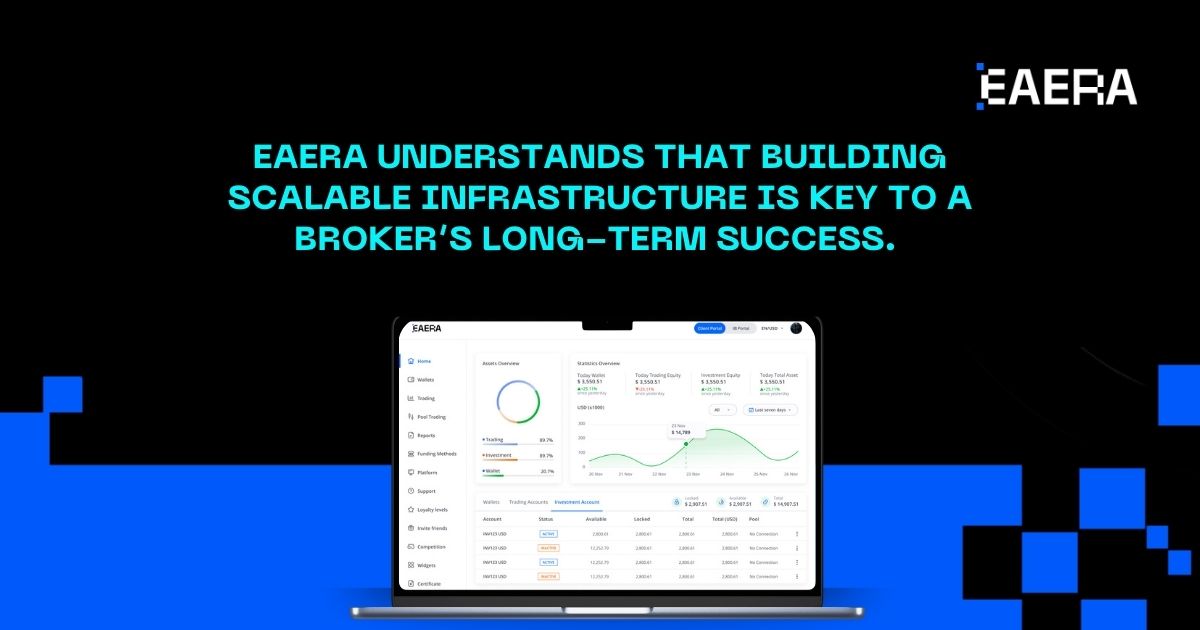
As a compliance-focused forex CRM provider, EAERA understands that building scalable infrastructure is key to a broker’s long-term success.
The Strategic Impact of a Forex CRM Provider on Regulator Trust
In addition to fulfilling formal requirements, compliance is crucial in determining how regulators view a brokerage’s governance standards and operational maturity. Regulators are increasingly evaluating the consistency with which controls are enforced in addition to their existence. A competent forex CRM provider can provide strategic value in this situation.
A forex CRM establishes a single source of truth for client data, approvals, transactions, and operational actions by centralizing compliance workflows. This consistency shows regulators that compliance is integrated into day-to-day operations rather than being handled retroactively, and it also lessens uncertainty during audits.
From a regulator’s perspective, brokerages using a structured forex CRM provider typically demonstrate:
- Faster response times to compliance inquiries
- Clear accountability across departments
- Lower incidence of repeated violations
- Stronger internal control frameworks
Brokers who rely on ad hoc tools run the risk of falling behind as compliance standards continue to rise. A contemporary forex CRM provider is a sign of institutional preparedness and long-term credibility rather than merely a compliance solution.
Compliance is no longer just a reactive process, but rather an essential structure element of the way we operate daily. A competent forex CRM provider acts as the backbone of any organization’s readiness for regulatory compliance, transparency of operations, and scalability for the future. Brokers who choose to invest in compliance-focused systems are better able to mitigate risk, win the trust of regulators, and thrive with confidence in the global marketplace.