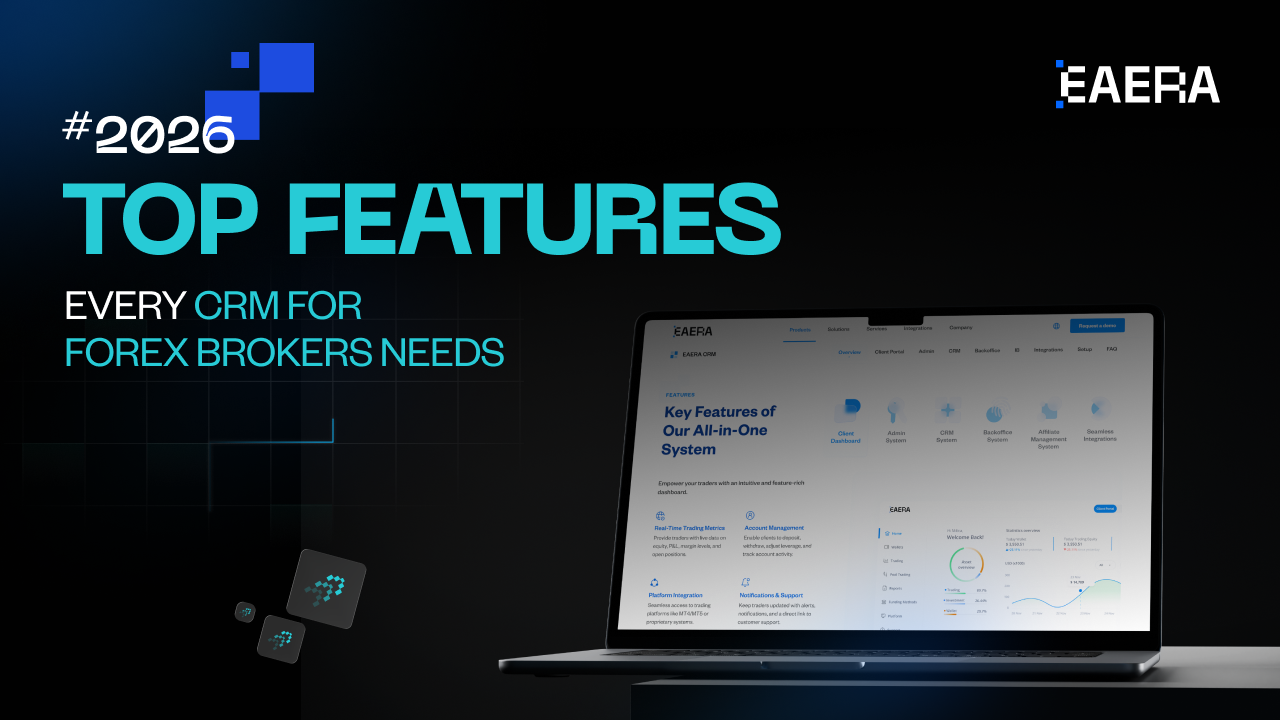




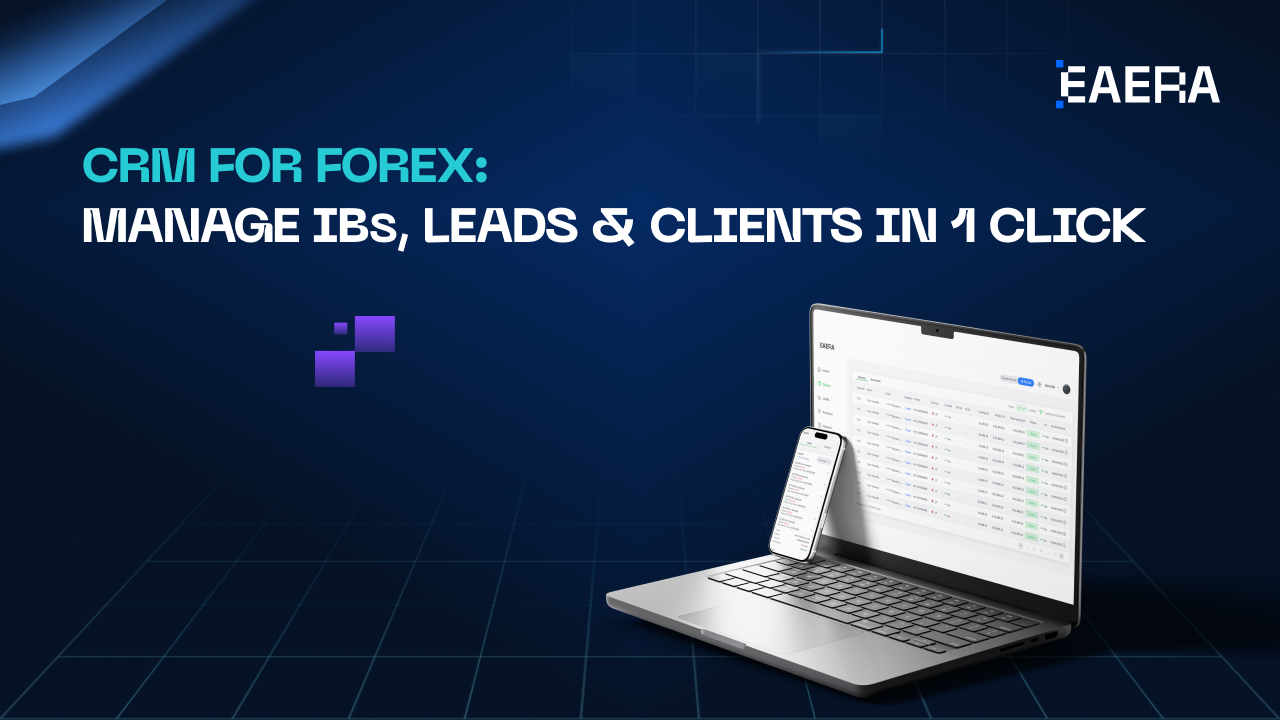
Forex brokers today do more than just handle trades; they also handle complicated networks of IBs, many lead sources, and different client lifecycles. Without structure, this quickly becomes inefficient and causes you to miss chances.
Related articles:
A modern CRM for forex is more than just a contact list; it’s a single system that brings together IB management, lead tracking, and client operations into one smooth process. This article talks about how the right CRM for forex lets brokers automate tasks, see everything, and grow their businesses in a smart way.
Why Managing IBs, Leads, and Clients Is Complex for Forex Brokers?
Forex brokers work in a setting with many layers. Affiliates, IBs, paid campaigns, and referrals all bring in leads. IB networks also make things more complicated by having different commission structures, hierarchies, and ways to track performance.
Without a structured system, brokers face several challenges:
- Leads scattered across different platforms and tools
- Inconsistent follow-ups due to manual processes
- Difficulty tracking IB performance and commissions
- Lack of visibility into client lifecycle stages
These problems get worse as operations grow. Sales teams can’t keep track of which leads are most important; it’s harder to manage IB relationships, and clients aren’t always engaged.
The main problem is that things are broken up. A CRM for forex fixes this by putting all of the parts—IBs, leads, and clients—into one system where data and workflows are in sync.

What CRM for forex Actually Centralizes?
To know how valuable it is, you need to know what a CRM for forex brings together. It doesn’t just keep track of contact information; it also handles the whole relationship ecosystem of a brokerage.
Core functions include:
- IB management: Tracking hierarchies, commissions, and performance
- Lead tracking: Capturing, scoring, and managing leads from multiple channels
- Client lifecycle management: Monitoring onboarding, trading activity, and retention
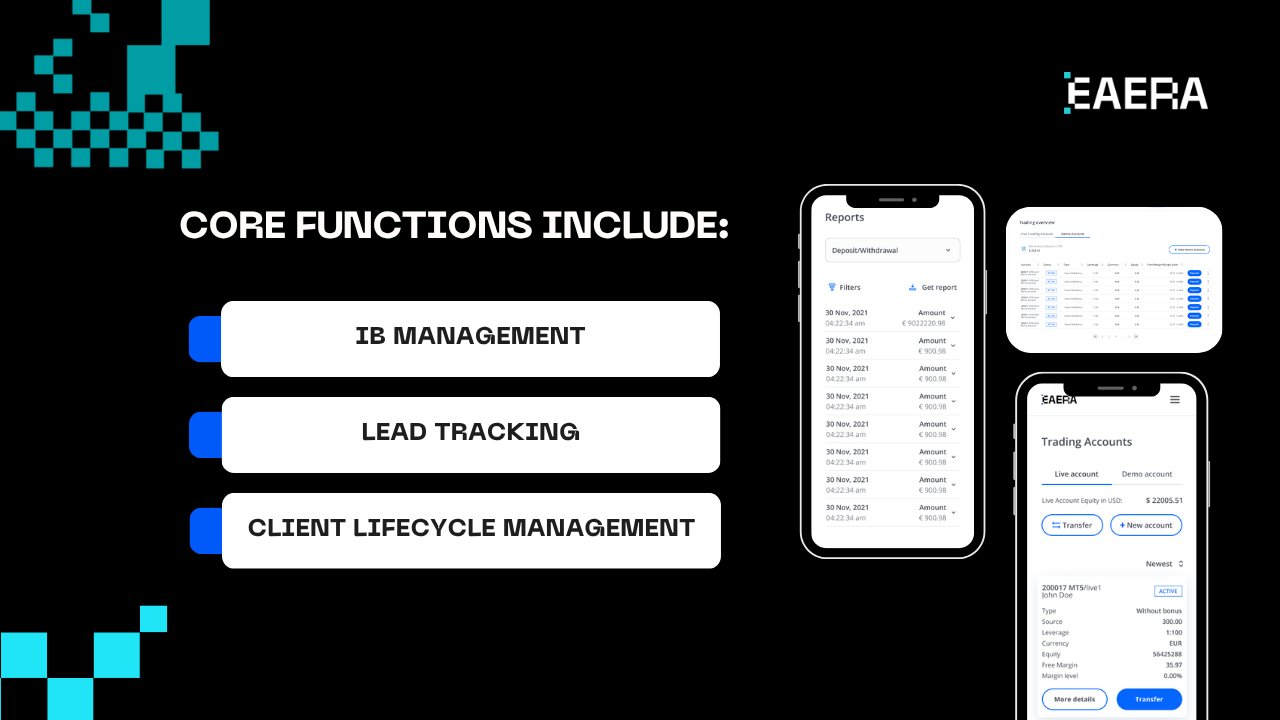
A forex CRM makes it possible to see all your operations in one place by combining these functions.
For example, brokers can see all this information about a lead in one place: how they found out about the platform, which IB referred to them, how they use it, and whether they become an active trader.
This centralization eliminates data silos and ensures that all teams—marketing, sales, and operations—work from the same information.
Automating IB and Lead Management for Efficiency
To handle a lot of leads and IB relationships, you need automation. A CRM for forex uses set rules to make processes easier that would otherwise need to be done by hand.
Key automation capabilities include:
- IB hierarchy management: Automatically tracking multi-level structures and commission distribution
- Lead routing: Assigning leads to the right sales agents based on rules such as geography or expertise
- Follow-up workflows: Triggering emails, calls, and reminders automatically
- Behavioral segmentation: Prioritizing leads based on engagement and activity
These features ensure that no lead is ignored and every IB is managed consistently.
The impact is significant:
- Faster response times improve conversion rates
- Structured IB management strengthens partner relationships
- Reduced manual work increases operational efficiency
A CRM for forex lets teams focus on high-value tasks like developing strategies and engaging with clients by automating tasks that need to be done over and over again.
Real-Time Client Management and Lifecycle Visibility
Client management doesn’t stop after onboarding. Brokers need to keep track of the whole lifecycle, from when a user signs up to when they trade and how long they stay.
A modern CRM for forex provides real-time visibility into this lifecycle.
Key capabilities include:
- Unified client profiles with full interaction history
- Tracking onboarding progress and KYC status
- Monitoring trading activity and engagement levels
Brokers can act before problems happen because they can see this. The system can start re-engagement campaigns, for example, if a client stops being active. Sales teams can offer personalized help or incentives to traders who are very active.
Platforms like EAERA show how integrated client management can make things run more smoothly and improve the customer experience. Brokers can learn more about how their clients act by combining CRM data with trading activity.
The end result is better retention and stronger relationships with clients, both of which are important for long-term growth.
Reducing Operational Complexity with Automation
One of the biggest problems with growing a brokerage is how complicated it is to run. Using spreadsheets, manual tracking, and tools that don’t work together all make things less efficient and more likely to make mistakes.
A CRM for forex simplifies operations by standardizing workflows and centralizing data.
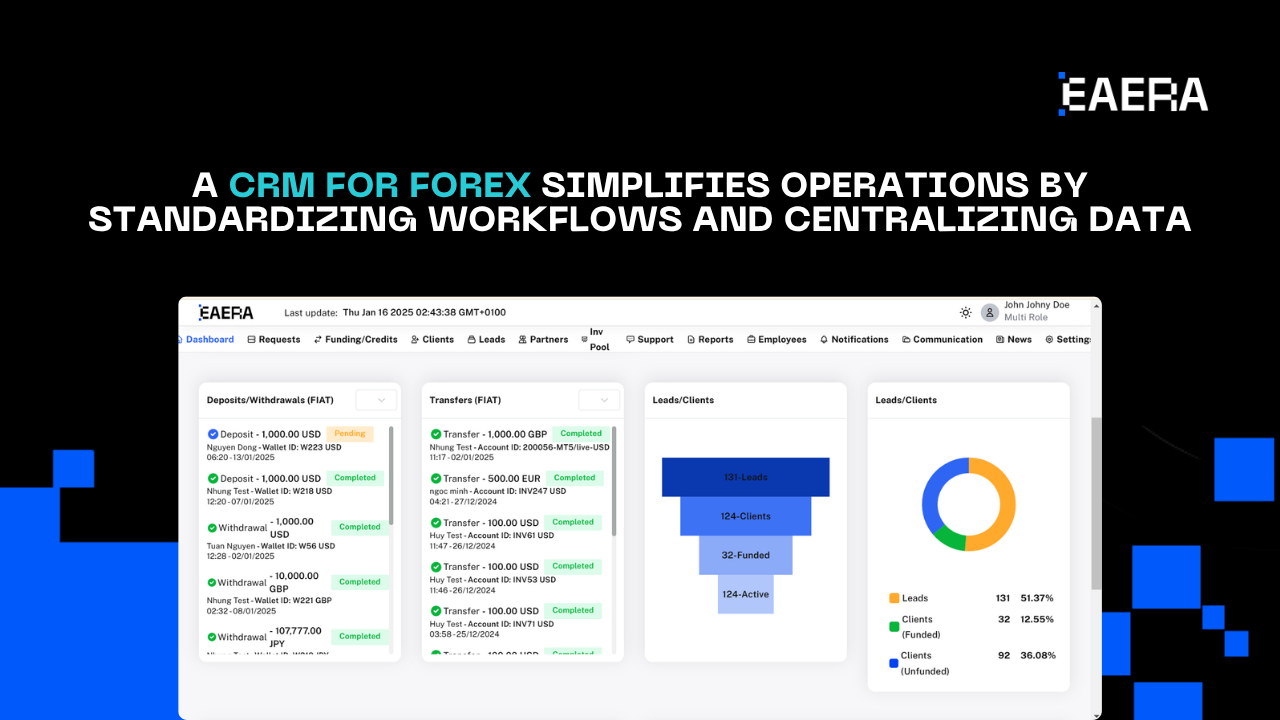
Key benefits include:
- Elimination of duplicate data entry
- Consistent processes across teams
- Reduced human error in tracking and reporting
The system makes sure that every process follows set rules by enforcing structured workflows. This makes things more consistent and boosts overall efficiency.
The best CRM for forex doesn’t just automate tasks; it also makes the work environment more predictable. Teams know what to expect, things go smoothly, and management has more control over the business. Over time, this leads to significant cost savings and improved performance.
Scaling Broker Growth with Integrated CRM Systems
For growth to happen, systems need to be able to handle more and more complicated tasks without breaking down. As brokers grow, they have to handle more IBs, leads, and clients in different areas and for different products.
A scalable CRM for forex supports growth through integration and flexibility.
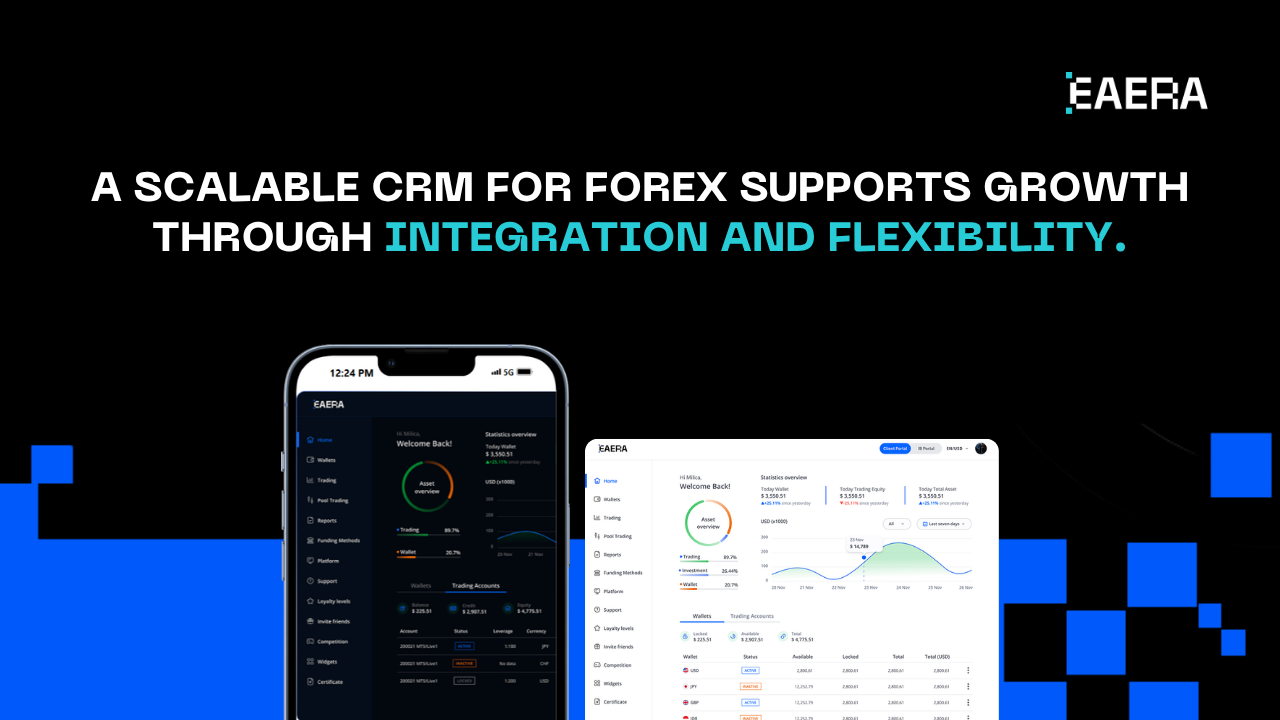
Key capabilities include:
- Integration with trading platforms for full lifecycle visibility
- Connection with payment systems for funding and transactions
- Support for large IB networks and high lead volumes
This creates a unified ecosystem where all operations are connected.
The end result is growth that lasts. Brokers can add more volume, enter new markets, and offer new services without putting too much stress on their systems or teams.
One of the hardest things about running a forex brokerage is keeping track of IBs, leads, and clients. A modern CRM for forex gives you the structure you need to make things easier.
It helps brokers work more efficiently, get more conversions, and grow their businesses with confidence by centralizing data, automating workflows, and giving them real-time visibility.
Brokers that use integrated CRM systems will have a clear edge as the industry continues to change. Unified, system-driven management powered by CRM for forex is the way of the future for brokerage operations.