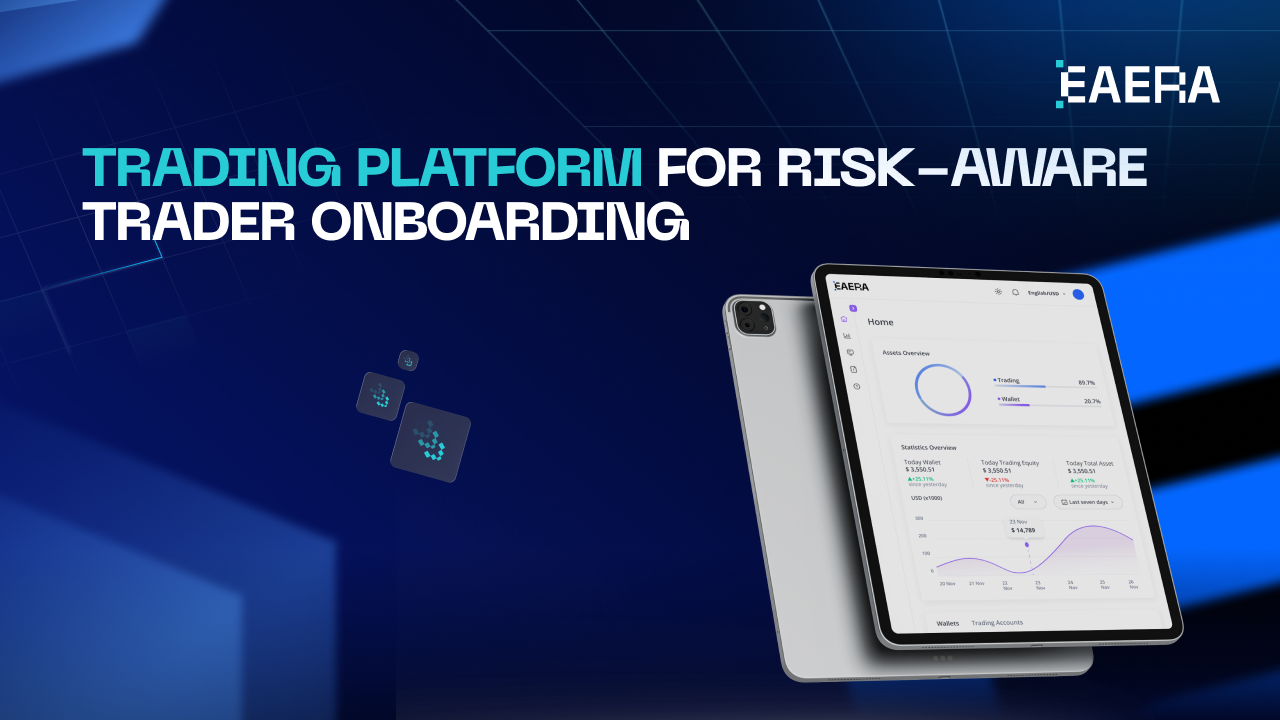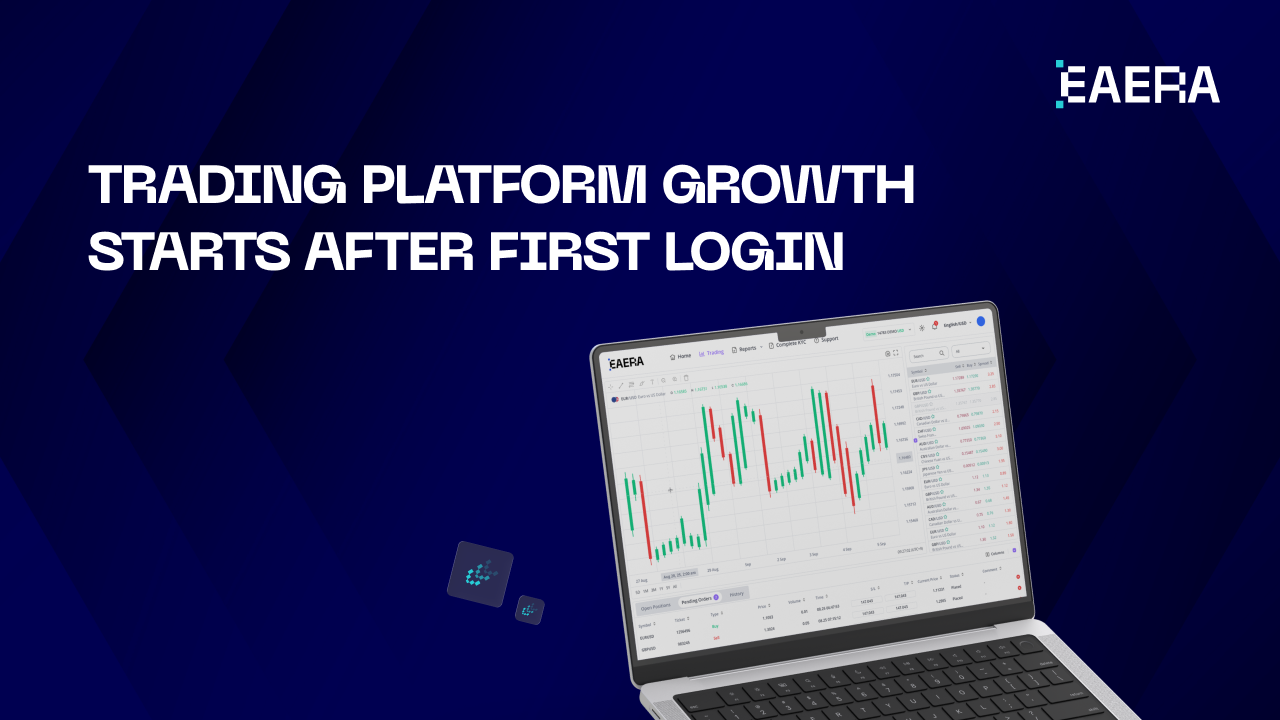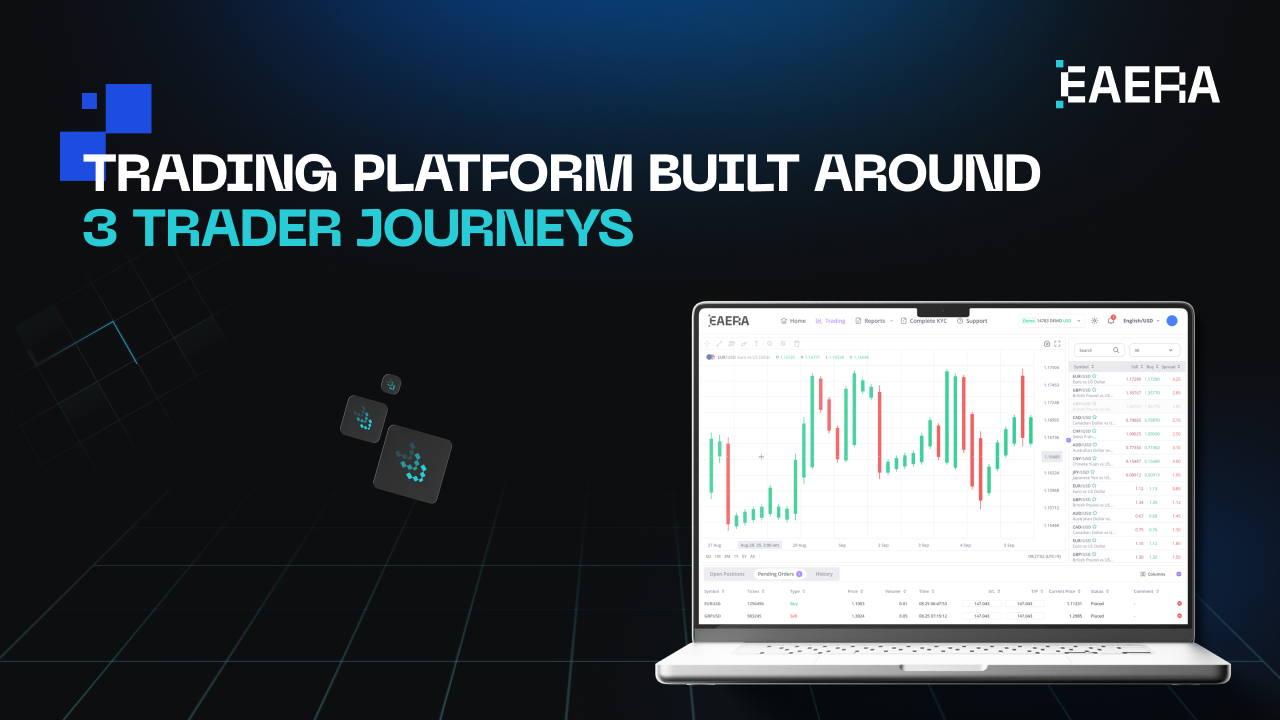




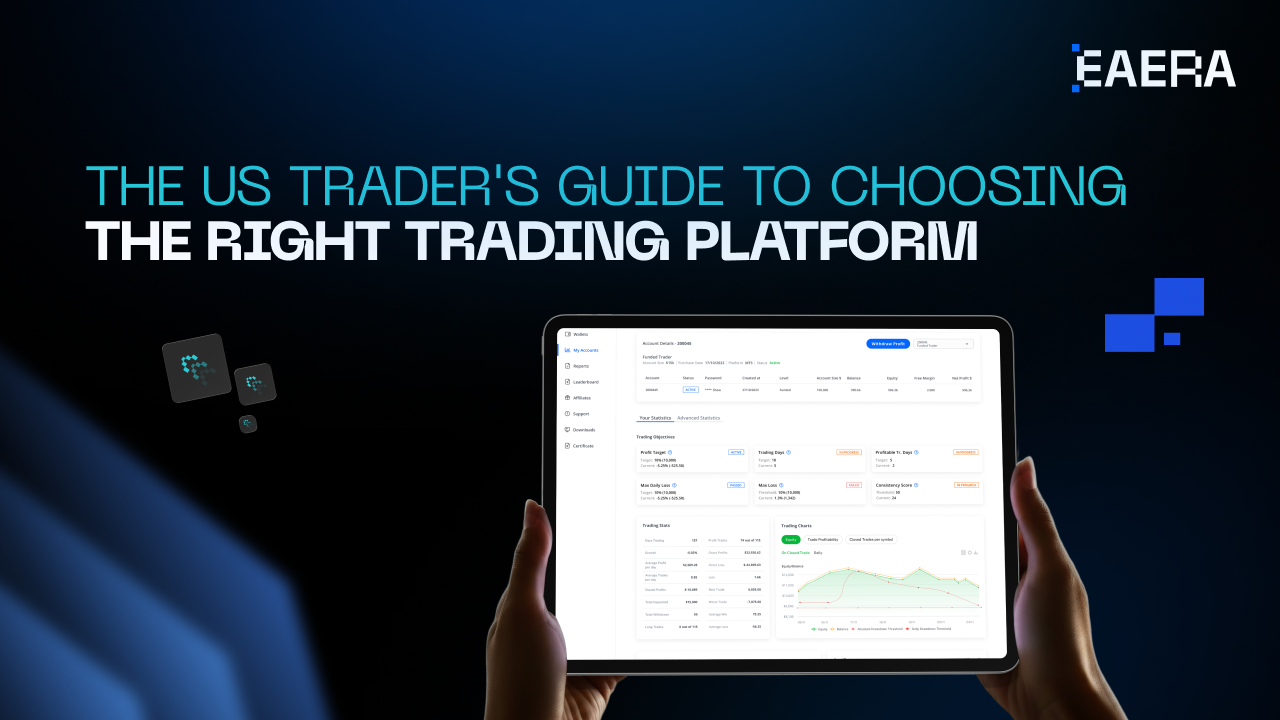
A trading platform is more than just a place-to-place orders; it’s the surrounding environment where every trading decision is taken. The US market has a great deal of variety in terms of platforms and each platform has different features, tools and complexities.
Related articles:
- How an FX Trading Platform Boosts Client Trust?
- How a Trading Platform Supports Fast, Reliable Execution?
The problem is not finding a platform; it’s picking the right one. Wrong trading system can mean slow execution, confusion and limited performance. The right can improve clarity, speed, and overall trading results. This guide explains the most important things to consider when choosing a platform and how to make the right choice for you.
What a Trading Platform Actually Does?
Most traders view a trading software as nothing more than a tool to execute trades. In fact, it serves several critical functions that have a direct impact on performance.
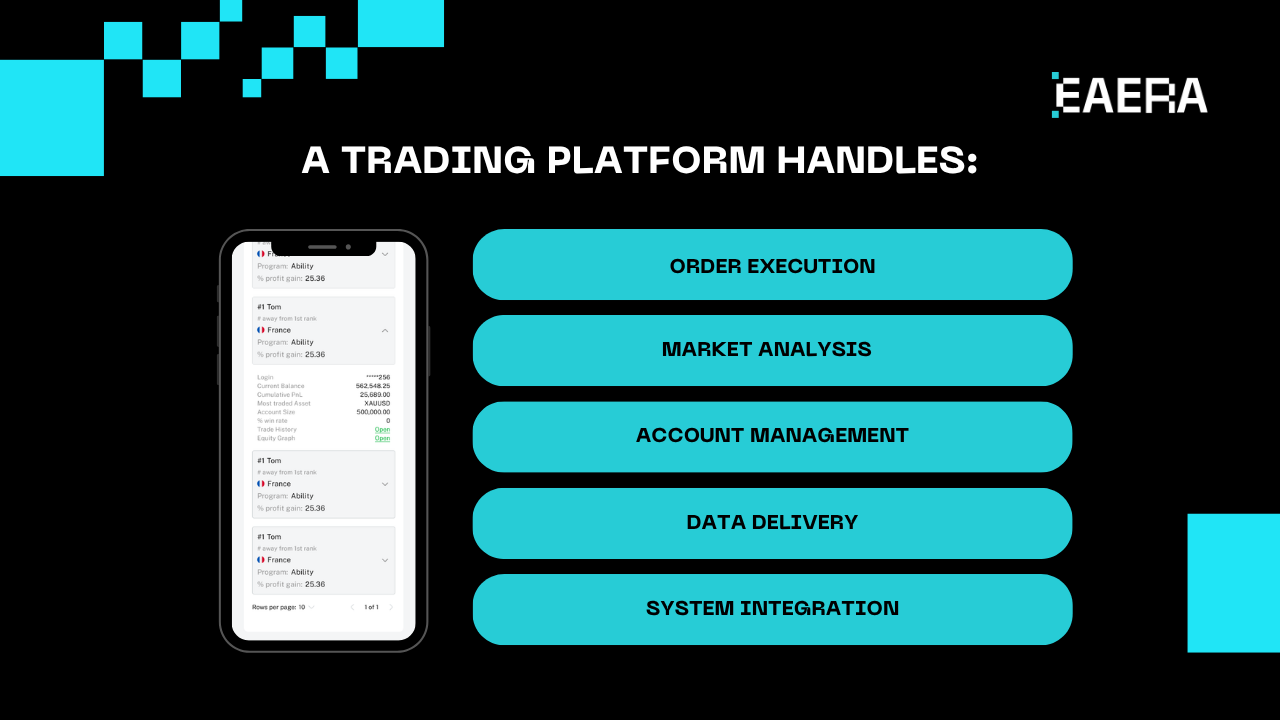
At its core, a trading platform handles:
- Order execution: Processing buy and sell orders in real time
- Market analysis: Providing charts, indicators, and technical tools
- Account management: Displaying balance, margin, equity, and open positions
- Data delivery: Streaming real-time price feeds and market updates
- System integration: Connecting with broker infrastructure and back-office systems
In addition, modern platforms often include built-in tools for risk tracking, alerts, and trade history analysis, allowing traders to evaluate performance over time and make more informed decisions without relying on external tools.
This means the platform is not just a tool – it is the trader’s workspace. Every interaction, from analysis to execution, happens within this environment.
Key Features to Look for in a Modern Trading Platform
Not all platforms are built the same. A modern trading system should balance performance, usability, and flexibility.
Here are the most important features to evaluate:
- Execution speed and reliability: Fast and stable execution ensures that trades are placed at intended prices without delays
- Advanced charting tools: High-quality charts with customizable indicators help traders analyze the market effectively
- Flexible order management: Support for market, limit, stop, and trailing orders allows better control of trades
- Accurate real-time data: Reliable data feeds are essential for making informed decisions
- Customization options: Layouts, themes, and dashboards should be adaptable to individual preferences
- Multi-device accessibility: A good platform works seamlessly across web, desktop, and mobile devices
A well-designed trading platform combines these features into a smooth and intuitive experience.

Trading Platform Types: Which One Fits Your Style?
Choosing a trading platform depends heavily on how you trade. Different platform types serve different needs.
Web-Based Platforms
- Accessible from any browser
- No installation required
- Ideal for beginners and casual traders
Desktop Platforms
- More advanced tools and features
- Better suited for active or professional traders
- Requires installation and setup
Mobile Platforms
- Designed for trading on the go
- Limited features compared to desktop
- Useful for monitoring and quick actions
There are also trade-offs with each type of performance, flexibility, and accessibility. Traders should not only consider the features but also the frequency and location of their trading plans, ensuring the platform aligns with their daily workflow and trading habits.
In addition to platform type, trader profile also matters:
- Beginners need simplicity and ease of use
- Day traders need speed and advanced charting
- Algorithmic traders need automation and API access
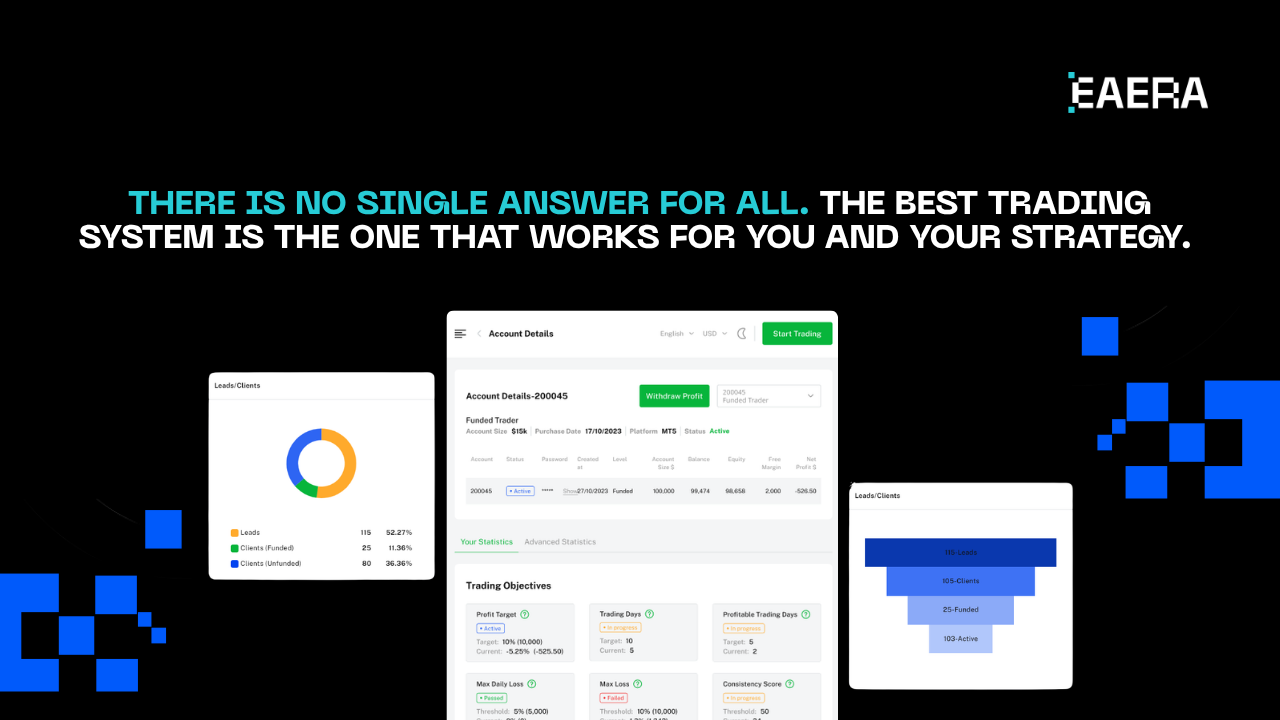
There is no single answer for all. The best trading system is the one that works for you and your strategy.
How the Right Trading Platform Improves Trader Performance?
The impact of a trading platform goes beyond convenience – it directly affects results.
A strong platform improves performance in several ways:
- Faster execution: Reduces slippage and improves entry and exit accuracy
- Better visualization: Clear charts and data help traders make more confident decisions
- Reduced friction: Intuitive interfaces allow traders to focus on strategy instead of navigation
- Real-time feedback: Immediate updates on positions and risk exposure support better control
- Improved decision speed under pressure: When markets move quickly, a responsive platform allows traders to react without hesitation
- Consistency in execution: Reliable systems ensure trades are placed as intended, reducing variability in results
Traders can make better decisions when they operate in a responsive and easy-to-use environment. This increases consistency and results in better results over time.
Trading Platform Comparison: What to Evaluate Before Choosing
Before selecting a trading platform, it’s important to compare options based on practical criteria.
1. Speed and Stability
A platform must perform reliably under all market conditions, especially during high volatility.
2. User Experience
The interface should be clean and intuitive, allowing traders to navigate quickly without confusion.
3. Integration Capabilities
The platform should connect seamlessly with broker systems, payment solutions, and analytics tools.
4. Feature Balance
Too many features can create complexity. The best platforms offer the right balance between functionality and usability.
5. Cost Transparency
Fees, spreads, and commissions should be clearly displayed to avoid surprises.
Solutions like EAERA are designed to combine good infrastructure with a user-friendly design to help traders and brokers achieve better results without unnecessary complexity.
Real Use Case: Choosing the Right Platform for Different Traders
To illustrate the impact of platform choice on outcomes, consider the following contrasting trader scenarios in the US market.
Beginner Trader
A new trader benefits from a web-based platform with a simple interface and guided workflows. This reduces the learning curve and builds confidence.
Active Day Trader
A day trader requires a platform with fast execution, advanced charting, and real-time data. Even small delays can affect profitability.
Funded or Prop Trader
If it is a funded trader, he needs to see the rules, performance metrics, and risk limits. “A platform that brings these together helps to keep it consistent and compliant.
In each case, the choice of platforms has a direct impact on the effectiveness of the trader to operate.
Brokers such as EAERA do provide platforms that marry infrastructure with usability to cater to various types of traders.
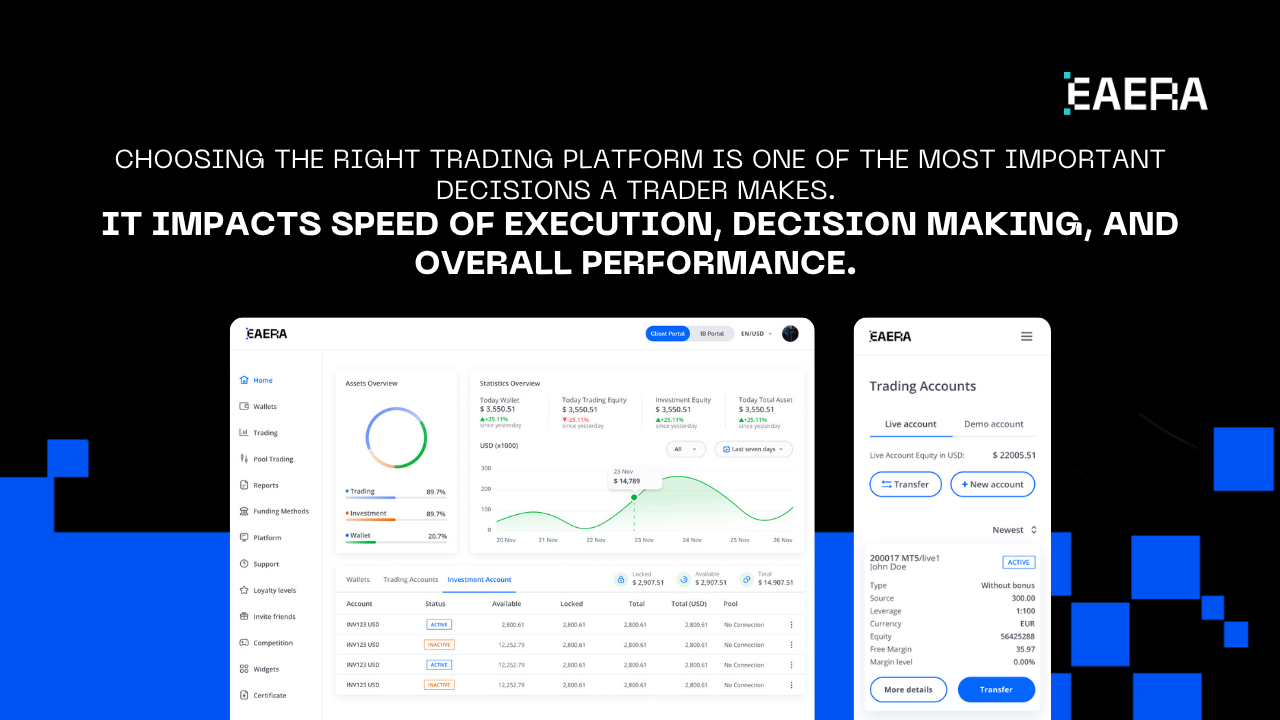
Choosing the right trading platform is one of the most important decisions a trader makes. It impacts speed of execution, decision making, and overall performance.
Traders should pick platforms according to their own needs and trading style, not popularity or marketing. A good platform offers clarity, efficiency and control – all necessary for long-term success in the market.