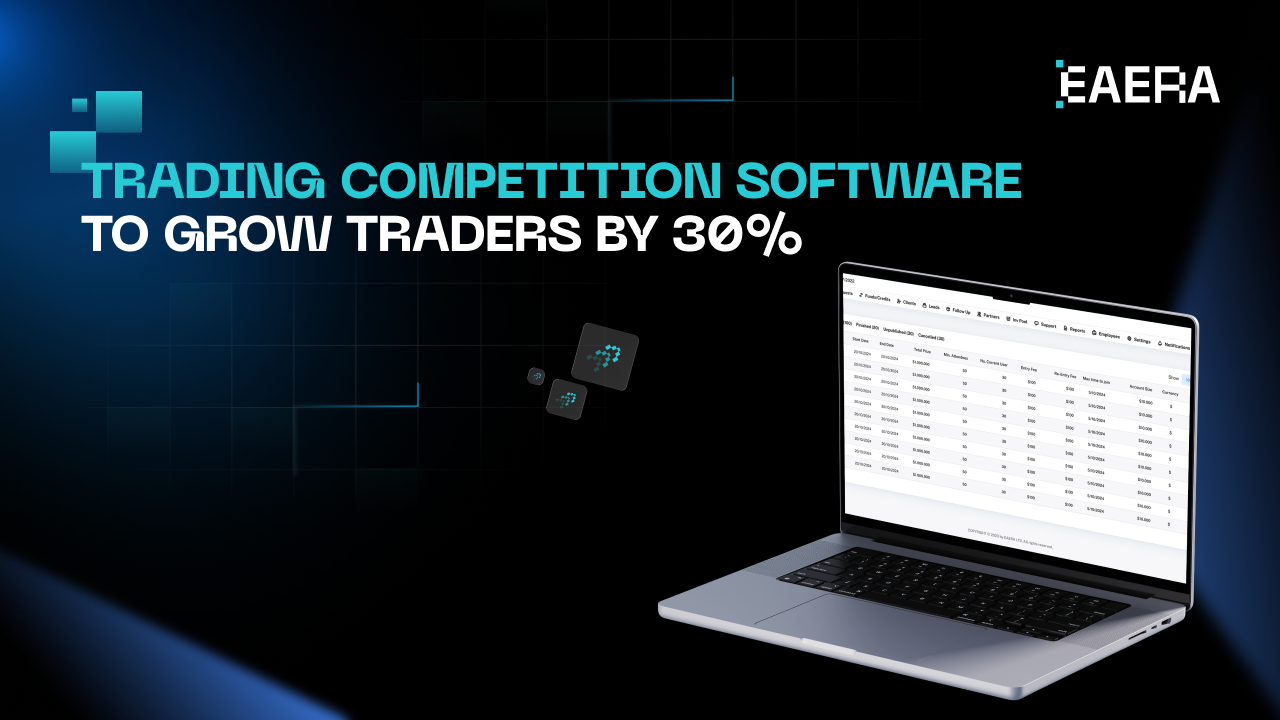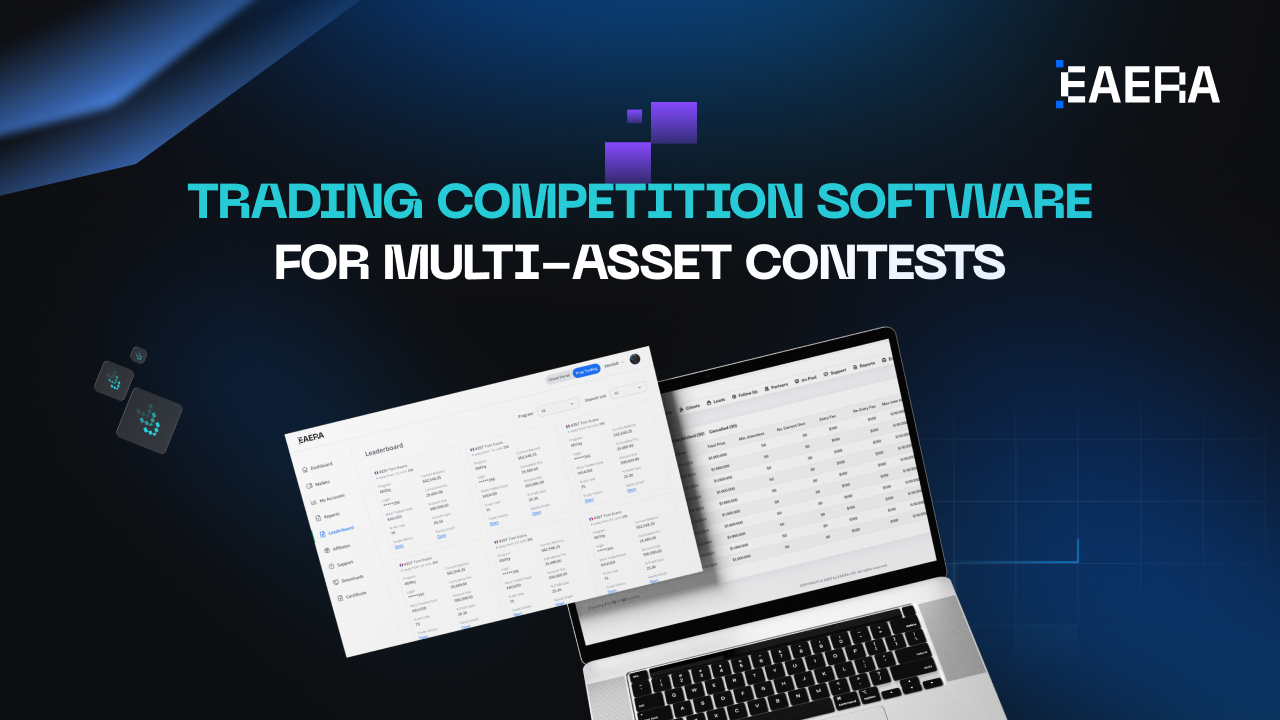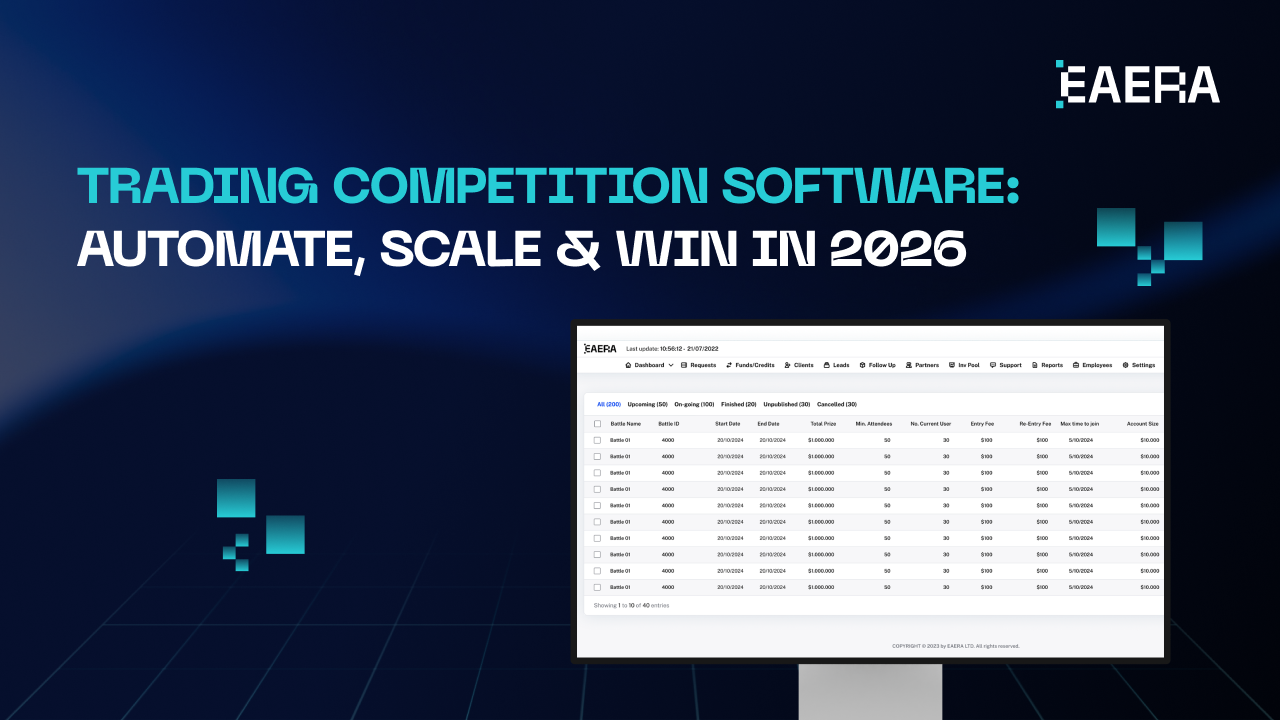




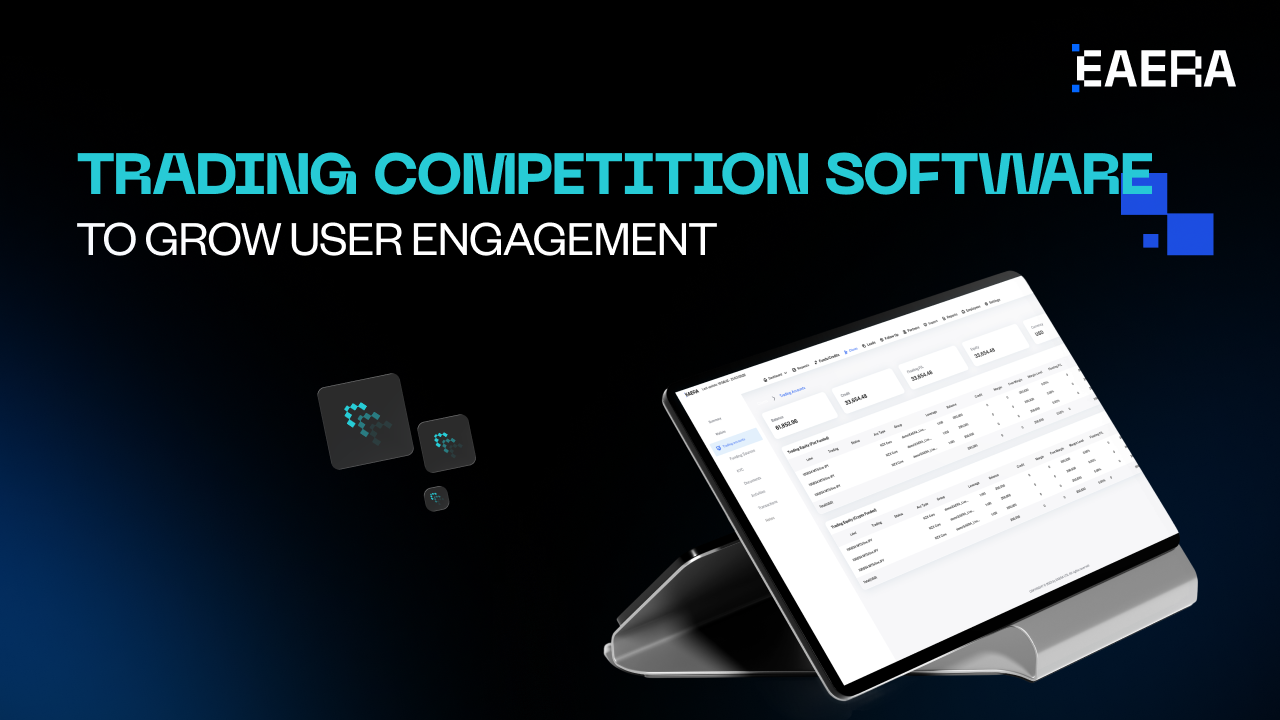
Modern trading competition software isn’t just a leaderboard tool. Competitions in today’s trading industry have been developed into a strategic engagement system that brokers, trading platforms, and prop firms are using to drive trader activity, improve retention, and foster platform loyalty.
The competition between platforms is growing and attracting users is no longer enough. Many platforms are great at bringing in registrations, but they have a problem keeping traders active. This is why gamification and competitive experiences are becoming an increasingly important operational strategy.
The right trading competition service transforms passive users into active participants through real-time rankings, reward systems, and interactive trading environments. Rather than just conducting traditional campaigns, companies can develop sustainable engagement loops that encourage participation and repeated activity on the platform.
Why Engagement Is a Growth Problem for Trading Platforms?
User acquisition costs continue to be high across the trading industry. Many companies spend money on paid advertising, influencer campaigns, affiliate programs, and promotions to attract traders.
However, registration alone does not guarantee long-term platform activity.
A common challenge for trading platforms is inactivity after onboarding. Traders may:
- Register accounts
- Explore the platform briefly
- Stop trading after a short period
- Lose engagement over time
Most of the time, the problem is not acquisitioning quality but the absence of continuous motivation and interaction after registration.
Traditional campaigns are often conversion-heavy, but they don’t do much to keep customers engaged over the long haul.
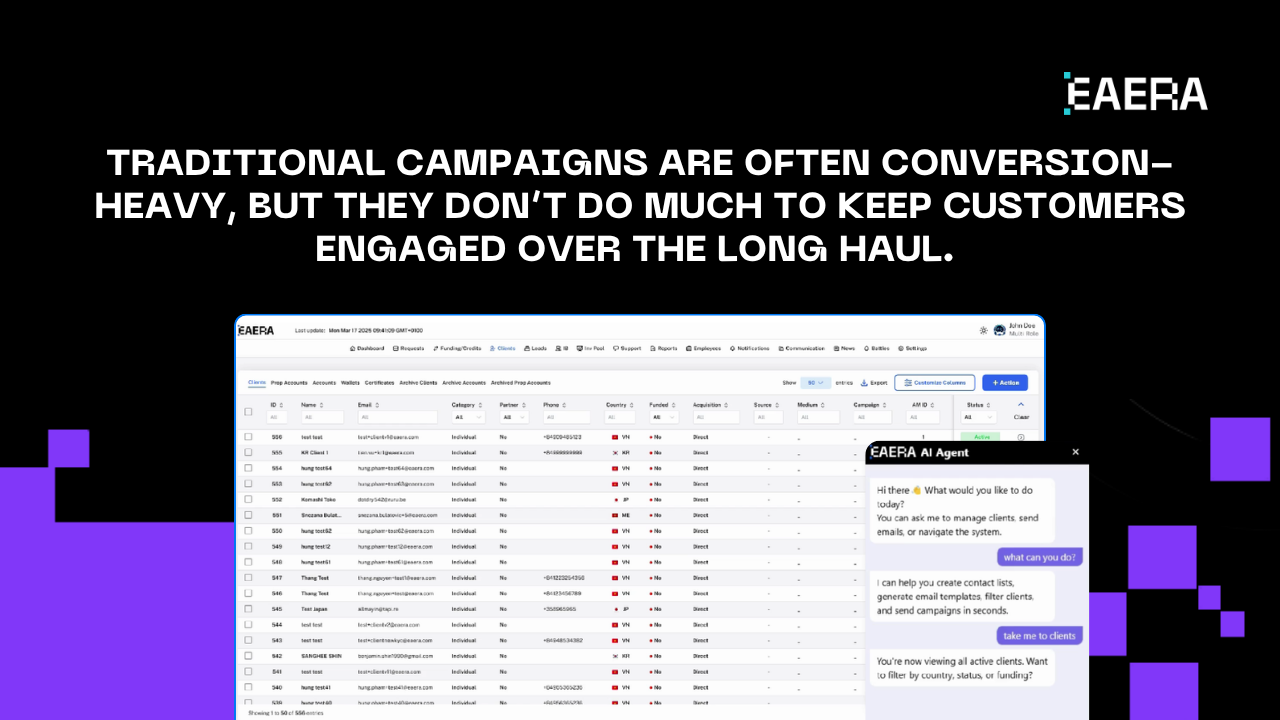
This is where trading competition software becomes valuable. Competitions create:
- Visible goals
- Real-time feedback
- Social interaction
- Reward-driven participation
- Continuous motivation
Rather than trading in isolation, users trade within a vibrant environment that fosters activity and progression.
This leads to greater retention and more consistent use of the platform for both brokers and trading platforms.
How Trading Competition Software Turns Users into Active Traders?
Entertainment is not the primary goal of trading competition software. It is to create structured engagement loops that drive trading activity and platform stickiness.
Contest Registration Creates Immediate Activation
Competitions give users a clear reason to participate immediately.
Rather than waiting passively after account creation, traders receive:
- Objectives
- Rankings
- Rewards
- Defined competition periods
This reduces inactivity and improves onboarding momentum.

Real-Time Rankings Encourage Repeat Activity
Leaderboards make progress visible and create competition between participants.
Seeing their ranking in real time encourages users to come back more often to see how they are doing, try to improve their position and keep them interested while the event is on.
This increases:
- Login frequency
- Session duration
- Platform interaction
Milestones and Rewards Improve Motivation
Progress tracking and reward structures create additional motivation.
Examples include:
- Profit milestones
- Volume targets
- Referral achievements
- Ranking rewards
This mechanism encourages traders to stay active longer in competition periods.
Dynamic Experiences Increase Emotional Engagement
A modern trading competition software platform provides continuous operational feedback through:
- Live rankings
- Notifications
- Achievement updates
- Progress visibility
This transforms trading from a passive activity into a more interactive experience.
Core Features That Drive Trading Competition Engagement
The functionality of a competition platform is highly dependent on its ability to operate effectively.
Contest Setup and Rule Configuration
Platforms should allow flexible creation of:
- Demo competitions
- Live trading contests
- Prop-style challenges
- Referral competitions
- Seasonal campaigns
Flexible rule management improves scalability across different campaign types.
Live Leaderboards
Leaderboards are one of the most important engagement features.
A strong trading competition software platform should support:
- Real-time ranking updates
- Dynamic scoring systems
- Multi-metric competition logic
- Public or private visibility options
Real-time updates build excitement and a deeper psychological involvement throughout the entire life of the contest.
Trading Activity Tracking
Platforms should track:
- Trading volume
- Profit and loss
- Challenge performance
- Risk metrics
- Participation activity
This improves operational visibility for both traders and platform administrators.
Automated Notifications
Automated engagement workflows help to keep the activity of traders up during the competition.
Examples include:
- Ranking updates
- Milestone achievements
- Competition reminders
- Reward notifications
Reward and Prize Management
Efficient reward handling improves both operational efficiency and trader satisfaction.
Prize systems may include:
- Cash rewards
- Funded accounts
- Trading credits
- Loyalty benefits
Participant Dashboards
Participant dashboards centralize operational visibility by displaying:
- Rankings
- Performance metrics
- Progress tracking
- Competition status
This improves user experience while reducing support overhead.
Engagement Use Cases for Brokers and Trading Platforms
Different trading businesses use trading competition software in different ways depending on operational goals.
Demo Trading Competitions
Demo contests help attract and activate new users without requiring immediate deposits.
They are commonly used for:
- User acquisition campaigns
- Platform onboarding
- Educational engagement
Live Trading Competitions
Live contests encourage higher trading activity among existing users.
These campaigns may increase:
- Trading volume
- Session frequency
- Platform engagement
Seasonal Campaigns
Time-limited events create urgency and reactivate inactive traders.
Examples include:
- Monthly trading races
- Holiday campaigns
- Event-driven tournaments
Referral-Based Competitions
Referral competitions combine acquisition and engagement mechanics.
Users compete based on:
- Invited participants
- Trading activity from referrals
- Community growth metrics
Prop-Style Challenges
Trading competition software is used differently by different trading businesses, depending on operational goals.
A lot of firms are now combining the mechanics of competition with funded challenge models to create a more engaging experience for traders.
Solutions like EAERA show how integrated engagement infrastructure can enable scalable competition ecosystems across different trading business models.
What to Measure When Running Trading Competitions?
Being on the leaderboard is not enough to do well in competitions. Organizations need to track operational KPIs that actually mirror engagement results.
Important metrics include:
- Registration-to-participation rate
- Active trader percentage
- Trading volume during competitions
- Login frequency
- Retention after contest completion
- Cost per engaged trader
- Revenue impact
Long-term retention metrics are particularly important, since short-term bursts of activity don’t necessarily translate into sustained platform engagement.
Firms can effectively evaluate the performance of their campaigns with centralized analytics and operational reporting on a modern trading competition platform.
How to Choose Trading Competition Software That Scales?
As engagement programs grow, operational scalability becomes increasingly important.
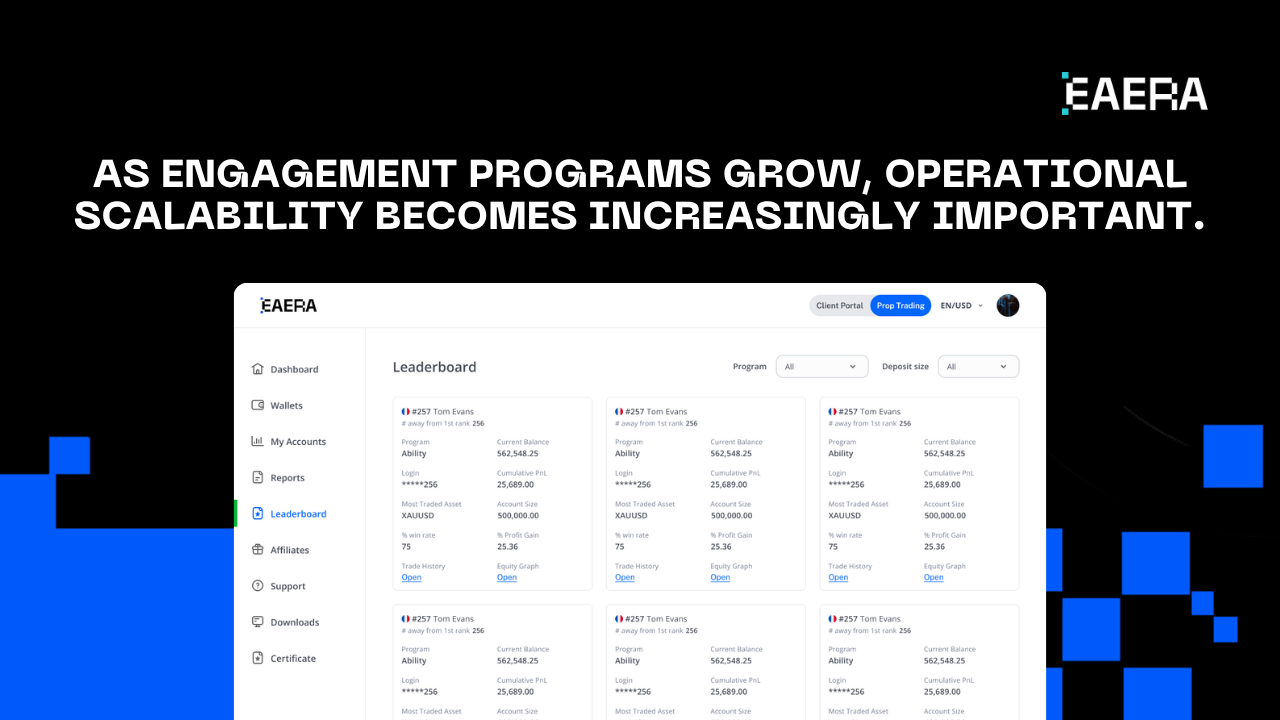
When evaluating trading competition software, firms should prioritize:
- Real-time leaderboard infrastructure
- Flexible competition rules
- CRM and trading platform integration
- Multi-region support
- Mobile accessibility
- Reporting visibility
- Automated engagement workflows
Flexibility to customize is also key, especially for platforms that run different contest formats, trader segments or regional campaigns at the same time.
The best competition platforms provide an ecosystem that combines engagement, operational automation, and scalability, rather than a standalone promotional tool.
One of the platforms that shows how integrated operational infrastructure can enable scalable engagement campaigns and increase user experience and operational visibility is EAERA.