



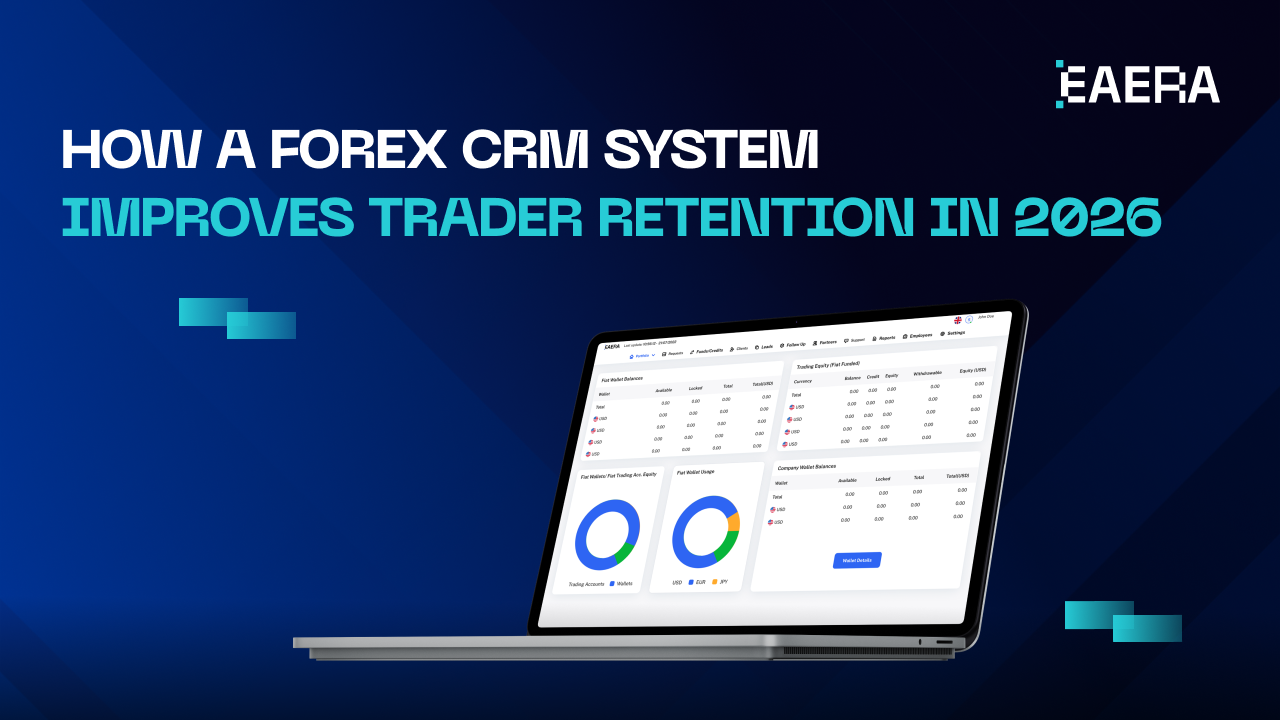
In 2026, acquisitions are no longer the only factor driving broker growth. The true differentiator is retention. Poor engagement, slow response times, and disjointed systems continue to cause many brokers to lose traders. This dynamic is altered by a contemporary forex CRM system, which transforms trader data into useful insights.
A forex CRM system helps brokers retain users, boost activity, and stabilize long-term revenue by managing the entire trader lifecycle rather than just serving as a contact database.
Why Trader Retention Is the Real Growth Driver for Brokers?
One of the highest acquisition costs in fintech is found in the forex sector. To attract new traders, brokers make significant investments in marketing, affiliates, and promotions. But without retention, this investment quickly loses its effectiveness.
The foundation of profitability is retention. Consistent volume, deposits, and engagement are produced by a trader who stays active over time. Most traders disengage early in the absence of structured forex CRM system support.
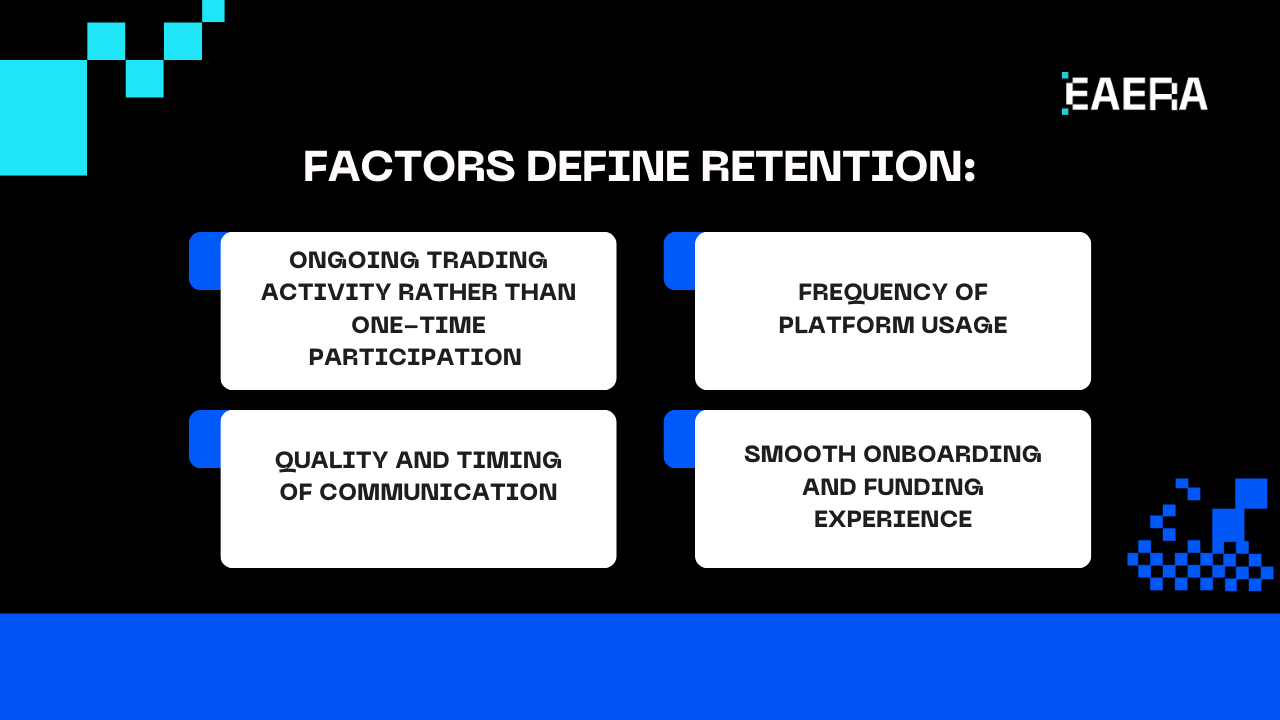
Several factors define retention:
- Ongoing trading activity rather than one-time participation
- Frequency of platform usage
- Quality and timing of communication
- Smooth onboarding and funding experience
Brokers can keep an eye on these variables all the time with a forex CRM system. Brokers can spot early indicators and act rather than waiting until traders stop trading. A forex CRM system is crucial because of this transition from reactive to proactive management.
By utilizing a forex CRM system, brokers can monitor trader journeys, identify trends in behavior, and enhance engagement tactics on a large scale.
What a Forex CRM System Actually Does in 2026?
A contemporary forex CRM system serves more purposes than merely storing customer data. It is a central operational system that links marketing, support, payments, and trading activity.
Real-time capability is the main distinction in 2026. Brokers are able to make quick decisions because a forex CRM system continuously updates trader data based on actions.
Core functions include:
- Centralizing all client data into a single source of truth
- Tracking deposits, withdrawals, and trading activity in real time
- Automating workflows across onboarding, engagement, and retention
- Segmenting users based on behavior, value, and lifecycle stage
- Integrating with trading platforms such as MT5 and payment systems
The forex CRM system becomes the foundation of broker operations at this level of integration. It guarantees that all teams use the same data and remove departmental silos.
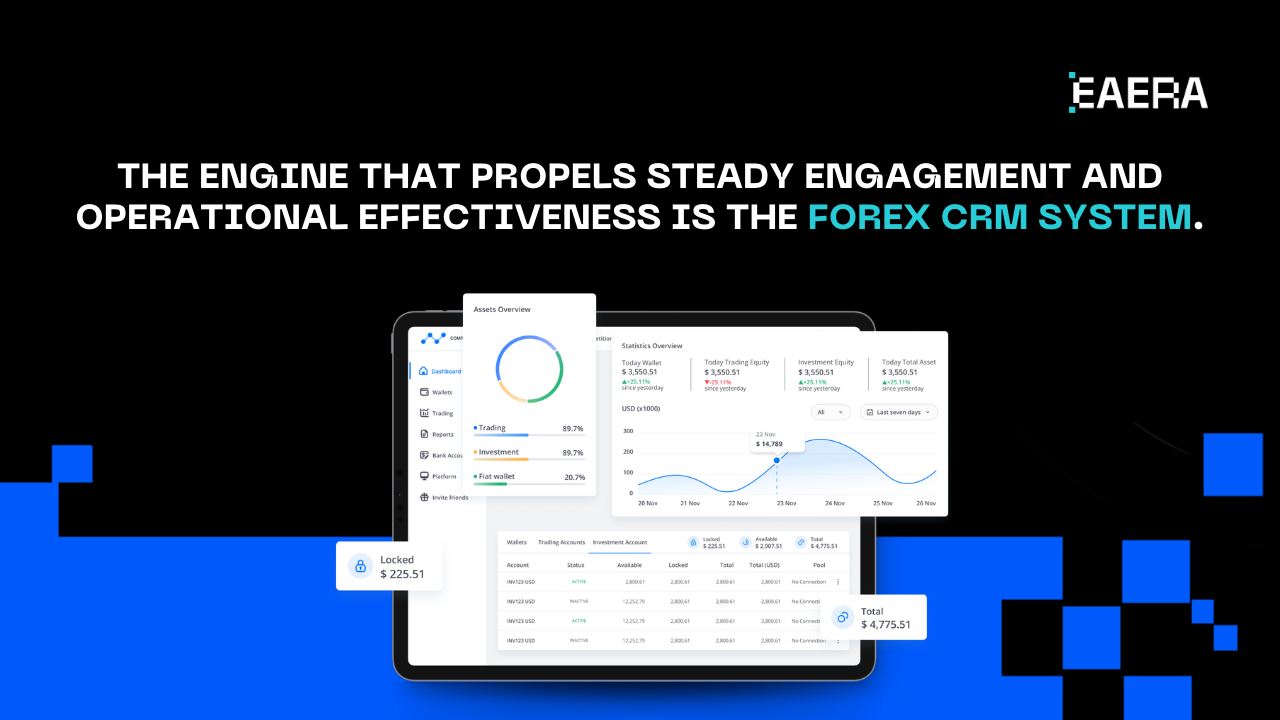
Brokers are therefore able to handle retention in a methodical manner. The engine that propels steady engagement and operational effectiveness is the forex CRM system.
Key Features of a Forex CRM System That Improve Retention
When brokers are able to comprehend and react to trader behavior in real time, retention increases. To do this, a forex CRM system offers the necessary tools.
Client Lifecycle Tracking
A forex CRM system keeps track of every step of a trader’s journey. This covers trading activity, initial deposit, KYC, registration, and possible inactivity.
This visibility allows brokers to:
- Identify drop-off points in the onboarding process
- Monitor when traders become inactive
- Trigger timely interventions
Retention initiatives become erratic and delayed in the absence of lifecycle tracking.
Behavioral Segmentation
Not every trader acts in the same way. Users are grouped by a forex CRM system according to trends like activity level, trading volume, and frequency of deposits.
This segmentation enables:
- More relevant communication
- Targeted campaigns
- Better allocation of retention efforts
Brokers can customize engagement based on real behavior rather than sending generic messages.

Automated Engagement
Follow-ups done by hand are not scalable. Using preset triggers, a forex CRM system automates engagement.
Examples include:
- Sending reminders to inactive traders
- Notifying users after deposits or withdrawals
- Launching campaigns based on trading milestones
Without adding to the operational burden, automation guarantees that traders receive timely communication.
IB and Affiliate Management
Trader retention is significantly impacted by referral networks. IB performance and client relationships are monitored by a forex CRM system.
This allows brokers to:
- Monitor the quality of referred traders
- Align commission structures with retention goals
- Strengthen relationships with high-performing partners
Both acquisition and retention results are enhanced by an organized approach to IB management.
Payment and Wallet Integration
Retention and user experience are closely related. To cut down on friction, a forex CRM system integrates payment flows.
Key benefits include:
- Faster and more reliable deposits
- Transparent withdrawal processes
- Reduced transaction failures
When traders trust the system, they are more likely to remain active.
Common Retention Problems Without a Forex CRM System
Retention becomes dispersed and ineffective in the absence of a structured forex CRM system. Brokers frequently use a variety of disparate tools, which results in uneven operations
Common problems include:
- Client data spread across different systems
- Delayed identification of inactive traders
- Generic communication that lacks personalization
- Limited visibility into trader behavior
- Weak follow-up processes
High churn rates are the result of these problems. When brokers don’t react promptly or with the appropriate message, traders become disengaged. These issues worsen as the company expands. Scaling retention is practically impossible without a forex CRM system.
How to Use a Forex CRM System to Increase Retention?
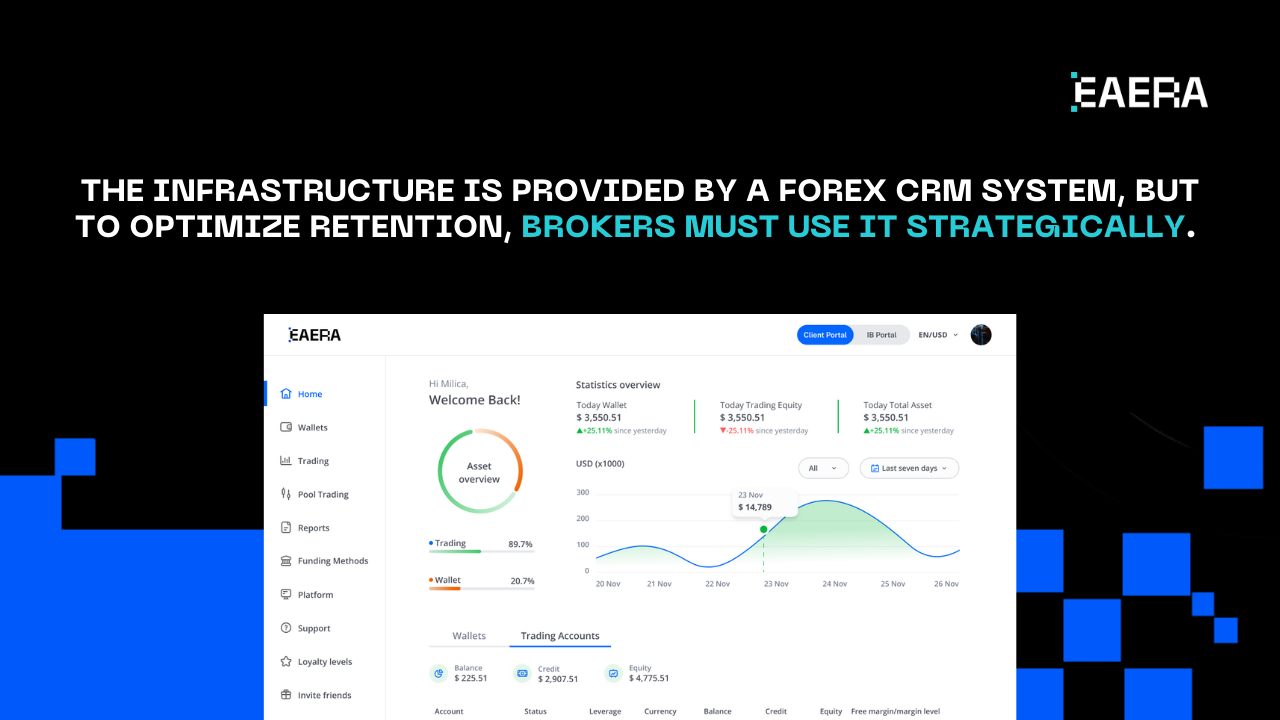
The infrastructure is provided by a forex CRM system, but to optimize retention, brokers must use it strategically.
Effective approaches include:
- Segmenting traders based on activity, value, and behavior
- Triggering engagement workflows when inactivity is detected
- Personalizing communication using real-time data
- Monitoring retention metrics such as activity frequency and churn rate
- Adjusting strategies based on performance insights
Consistency is crucial. These tactics are applied methodically rather than by hand thanks to a forex CRM system. Brokers can execute these procedures at scale with the help of platforms like EAERA. EAERA turns the forex CRM system into a retention engine by fusing automation, analytics, and workflow management. This enables brokers to transition from reactive lifecycle management to proactive engagement.
The Future of Forex CRM Systems in 2026 and Beyond
The forex CRM system’s function is still changing. It will grow even smarter and more independent in the future.
Key trends include:
- AI-driven personalization that adapts to individual trader behavior
- Predictive analytics to identify churn risks before they occur
- Real-time behavioral monitoring across all trading activity
- Fully automated engagement flows that require minimal manual input
The forex CRM system will become a decision-making tool instead of merely an operational one thanks to these developments. This is already being done by platforms like EAERA. The forex CRM system’s capabilities become more proactive and scalable by integrating intelligence.
Early adoption of these technologies will give brokers a distinct advantage in keeping traders and sustaining long-term growth. The cornerstone of long-term broker growth is trader retention. Long-term profitability is determined by retention, whereas acquisition attracts users to the platform. The structure, visibility, and automation required for efficient retention management are provided by a contemporary forex CRM system.
Brokers rely on disjointed procedures and snap judgments in the absence of a forex CRM system. It makes retention a quantifiable and expandable function. Brokers who invest in system-driven forex CRM systems will be in a better position to keep traders and grow steadily as competition rises.