


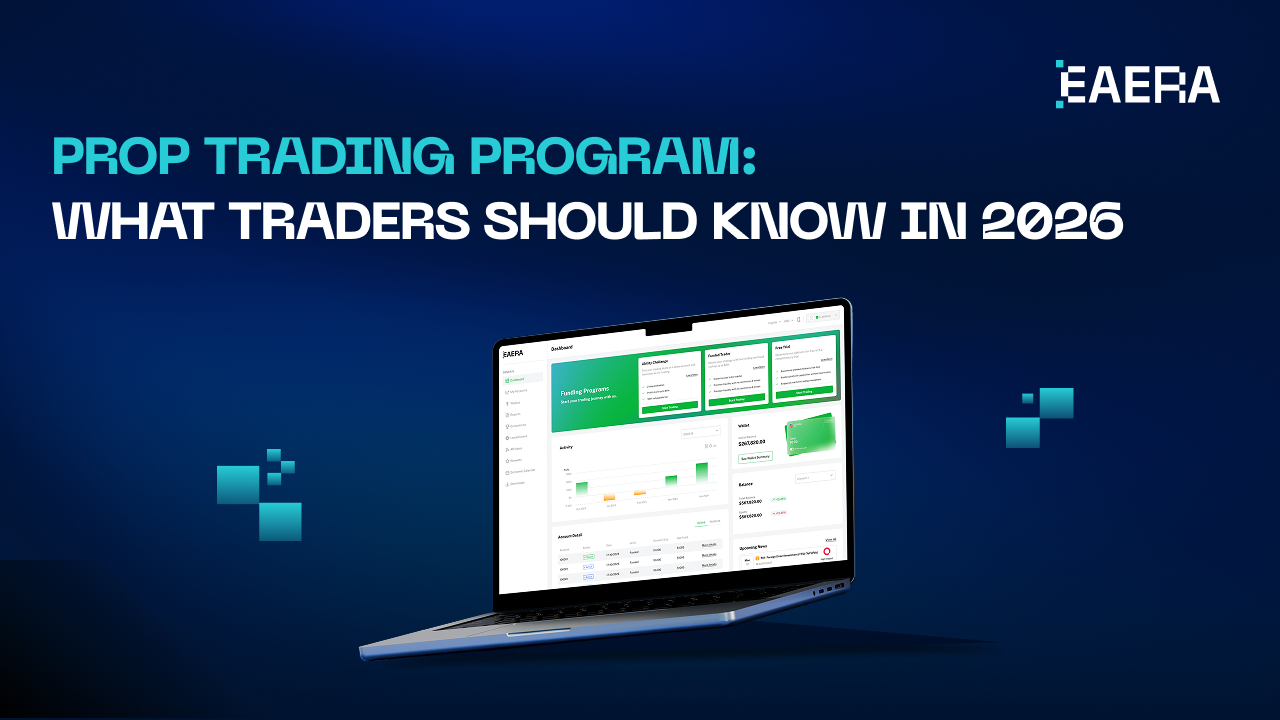
In 2026, the prop trading program model has evolved beyond the straightforward idea of “passing a challenge and getting funded.” It has developed into a structured system that combines cutting-edge technology, stringent risk controls, and performance evaluation.
Related articles:
It is crucial for traders to understand how these programs really work. Most participants fail without that clarity because they don’t understand the system, not because they lack strategy.
What is a Prop Trading Program in 2026?
In a structured model known as a prop trading program, traders are granted access to firm capital upon demonstrating their performance under predetermined criteria. These programs are not intended to facilitate trades, in contrast to traditional brokers. Rather, they are made to scale and filter traders who can work within tight risk constraints.
The model has advanced considerably in 2026. It’s no longer a one-time problem. It is now a complete ecosystem with long-term scaling frameworks, monitoring systems, and evaluation stages. It is also important to distinguish a prop trading system from other models:
- It is not copy trading, where users follow signals
- It is not a broker account with leverage
- It is not a passive investment product
It is a performance-based system instead. Traders are assessed on an ongoing basis, not only at the time of entry. The primary value proposition is still straightforward: access to capital under stringent regulations without having to risk personal funds.

How a Prop Trading Program Actually Works?
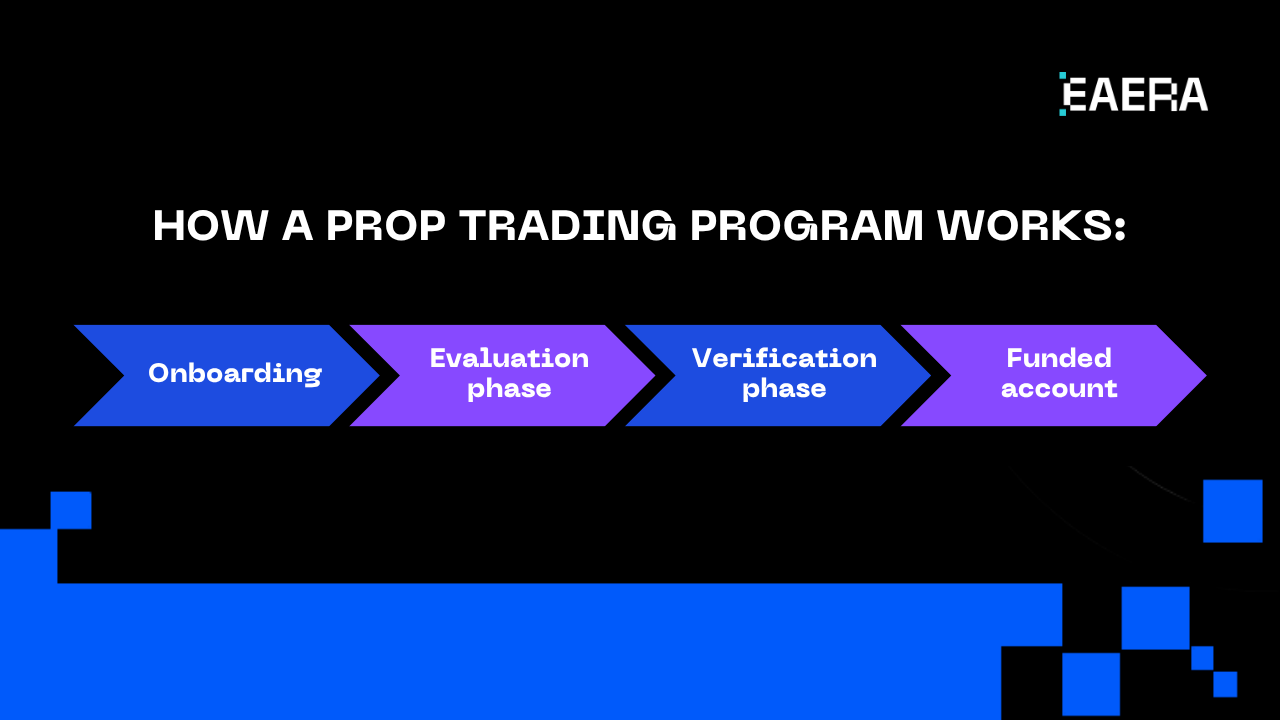
Each funded trading program has a set lifecycle. The basic flow is the same for the majority of providers, though specifics may differ.
-
Onboarding
Traders pay an assessment fee, choose an account size, and register. Access to a simulated trading environment with predetermined rules is made possible by this fee.
-
Evaluation phase
Traders must respect risk limitations while achieving a profit target, which is typically between 8 and 10%. These limitations include maximum drawdown thresholds and daily loss caps.
-
Verification phase
Although the profit targets are typically lower at this stage, the consistency requirements are more stringent. Verifying that performance is repeatable rather than coincidental is the aim.
-
Funded account
They can now trade and take profits according to the payout structure of the program.
But one important detail is frequently missed. Not every funded account has an instant connection to actual market capital. Before increasing actual exposure, some programs keep simulating trades while keeping an eye on consistency.
Across all stages, rules are enforced strictly:
- Daily loss limits must never be breached
- Maximum drawdown defines total risk tolerance
- Minimum trading days ensure consistent participation
Failure to follow these rules leads to immediate account termination.
Revenue Model Behind Prop Trading Programs
Understanding how a prop trading program makes money is essential to comprehending it. Evaluation fees are the main source of income. A significant portion of traders who pay to take part in the challenge process fail. This gives the company a steady and expandable source of revenue.
Profit sharing is the second layer. 70% to 90% of profits are usually given to traders who reach the funded stage, with the remaining portion going to the firm. But only a tiny portion of players regularly receive payouts.
Risk control is another essential element. Losses are limited to predetermined levels thanks to strict regulations. Even when traders are funded, this enables firms to reduce their exposure to downside risk.
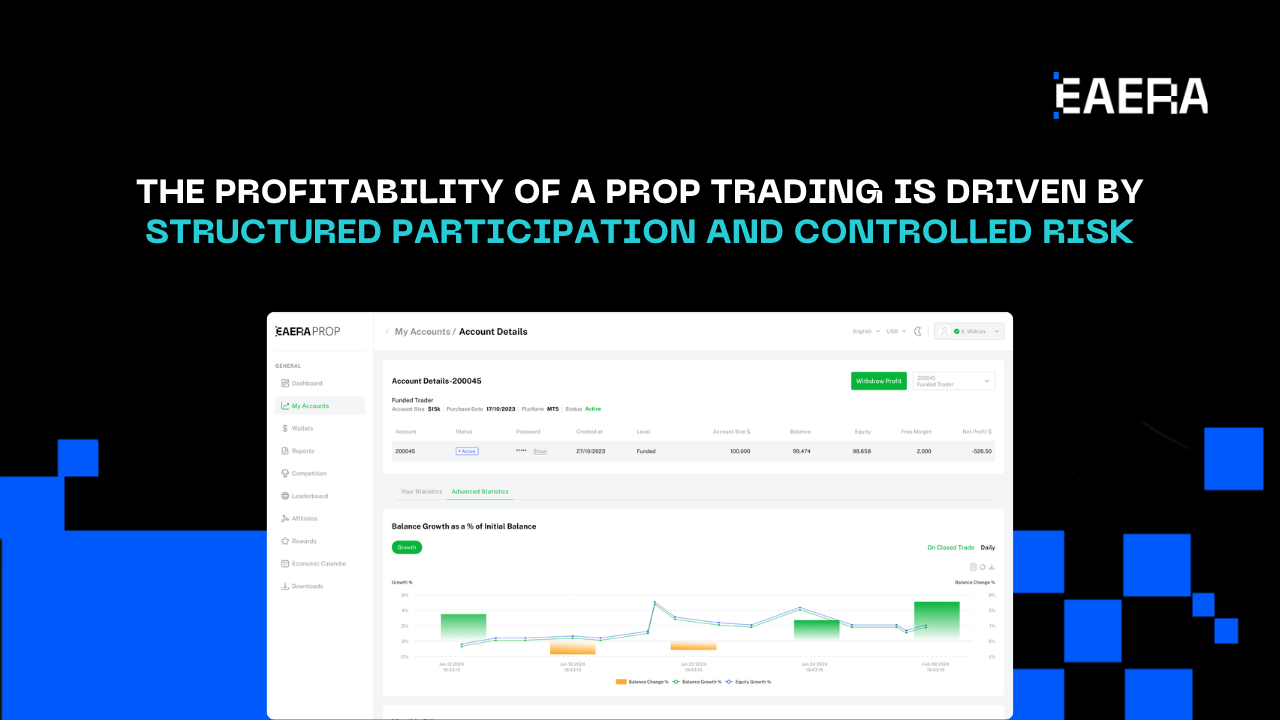
Execution strategy also plays a role. While some programs mimic internal trading, others route trades to actual markets. For high-performing traders, many employ a hybrid model that progressively increases real exposure. The strategic takeaway: The profitability of a prop trading is driven more by structured participation and controlled risk than by trader success alone.
Risk Management and Technology in Modern Programs
The cornerstone of any prop trading challenge is risk management. Without it, uncontrolled exposure would cause the model to collapse. For real-time rule enforcement, modern programs heavily rely on technology. Every transaction is tracked, and every account is regularly assessed.
Key risk management components include:
- Automated enforcement of drawdown limits
- Position sizing controls to prevent overexposure
- Real-time alerts and stop-out mechanisms
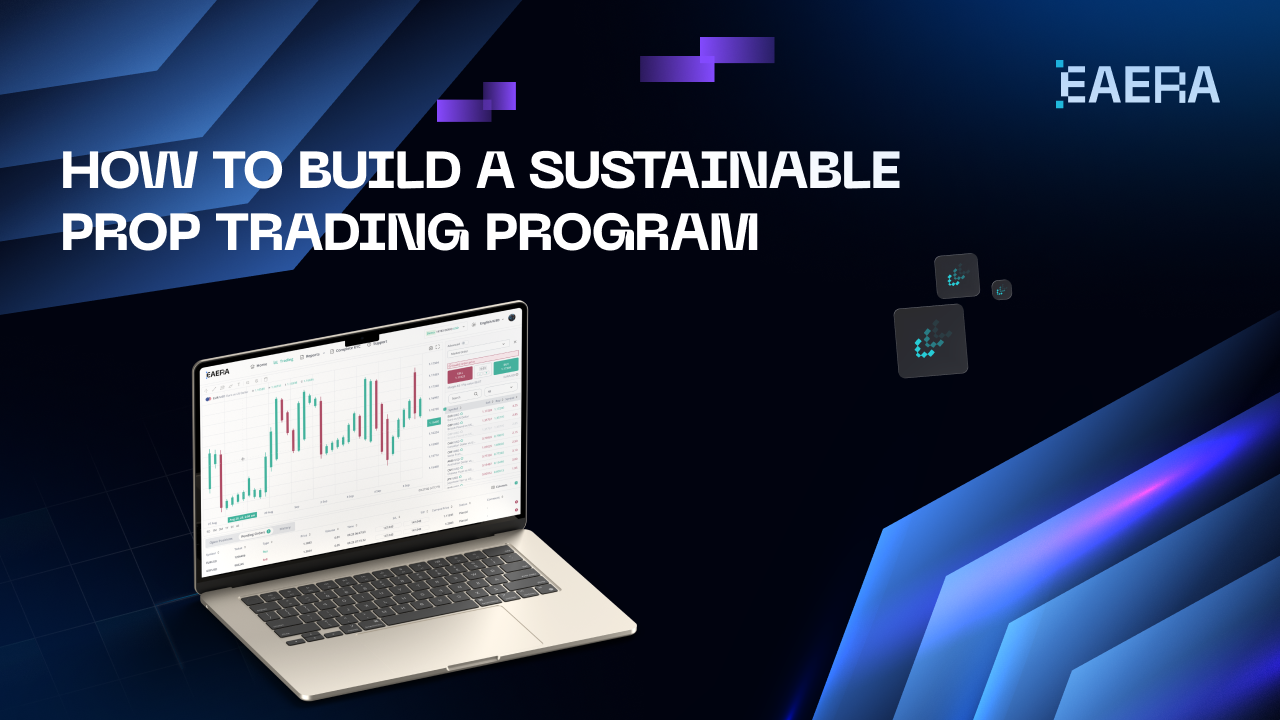
Advanced systems now examine trader behavior in addition to basic controls. They monitor trends like high-risk execution, uneven sizing, and overtrading. This degree of sophistication is made possible by technology companies such as EAERA. Large trader bases can access real-time risk dashboards, execution tracking, and performance analytics through their platforms.
This layer of technology is required. It is what enables businesses to scale thousands of traders while keeping risk under control. In 2026, a prop trading program’s infrastructure will increasingly determine its competitive advantage.
Who Should Join a Prop Trading Program?
Not every trader is a good fit for prop trading. Discipline and mindset are more important for success than actual trading ability. Successful traders have a number of traits in common. They adhere to set plans, exercise caution when handling risk, and place a higher value on consistency than on quick profits. They are aware that passing the test is just the first step.
Conversely, struggling traders frequently exhibit predictable trends. They chase profits, take unwarranted risks, or break the law when under duress.
This model is particularly unsuitable for:
- Traders looking for fast returns without process
- High-risk strategies that rely on large drawdowns
- Beginners without a validated system
How to Choose the Right Prop Trading Program in 2026?
A systematic assessment is necessary to choose the best prop trading program. Long-term results can be greatly impacted by minor variations in the rules.
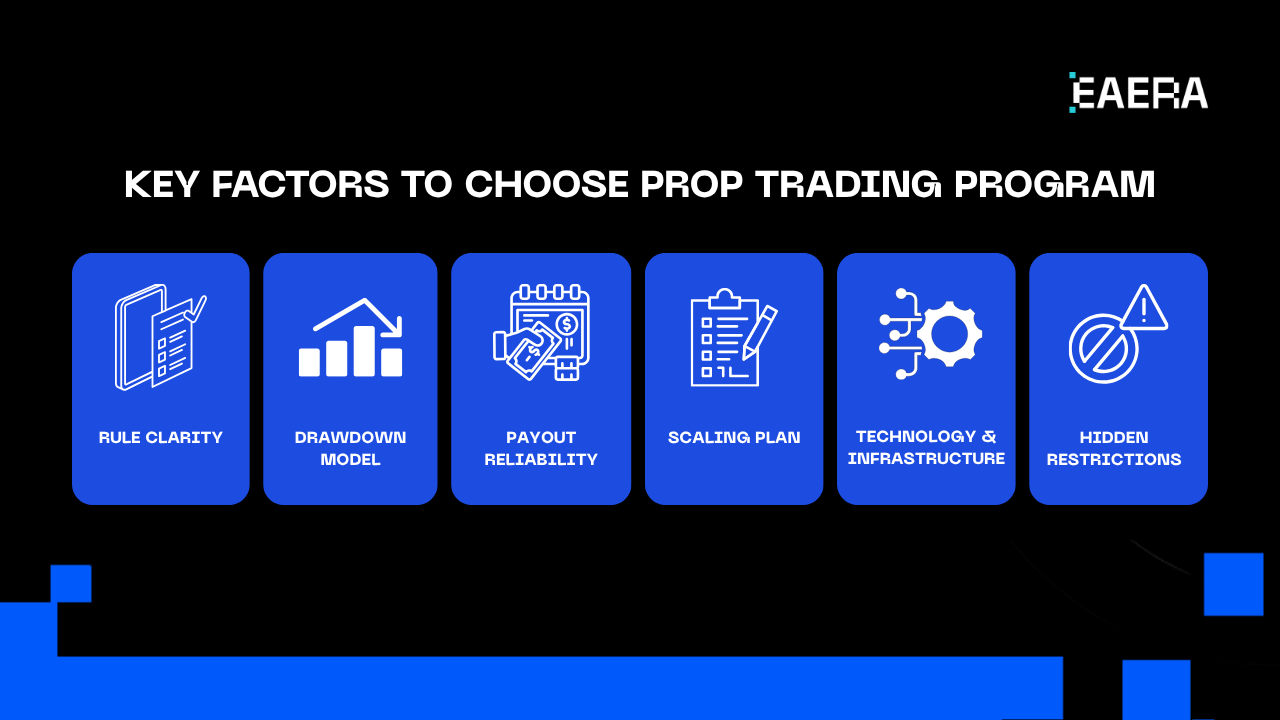
Key factors to assess:
Rule clarity: Transparent profit targets and limits
Drawdown model
- Static (more stable)
- Trailing (more restrictive over time)
Payout reliability
- Consistency of withdrawals
- Clear payout conditions
Scaling plan: Ability to grow capital allocation
Technology & infrastructure
- Platform stability
- Real-time tracking capabilities
Hidden restrictions
- Overly strict consistency rules
- Unclear execution policies
Platform stability and technology should not be disregarded. Better operational dependability and transparency are provided by systems driven by suppliers such as EAERA. In 2026, a prop trading program is not a quick way to get money; rather, it is a structured performance system. Discipline, consistency, and risk management are rewarded.
The likelihood of success is significantly higher for traders who comprehend the workings of these programs. Those who don’t prepare and view it as an opportunity frequently fall short. Think of it as a long-term structure. Your ability to function well within the system gives you an advantage over competitors.