




A modern forex CRM system is more than just a database to hold leads and customer data. By 2026, the winning broker will use CRM infrastructure to automate operations, improve retention, accelerate onboarding, and support scalable growth.
Related articles:
- Forex CRM Provider in 2026: 4 Non-Negotiable Features
- Forex CRM Software for UK Brokers: 6 Must-Have Features in 2026
In a red-hot forex industry, operational efficiency has become one of the biggest differentiators between average brokers and high performers. Many companies still operate using fragmented systems and manual workflows, which cause delays that directly impact conversion and client retention.
The brokers who are outperforming the market are not just generating more leads; they are running more efficiently. This is where the right forex CRM system is a strategic advantage.
This article explores 8 key features of high-performance CRM systems against basic platforms, and why these capabilities are important for the long-term growth of brokers.
Why Forex Brokers Need More Than a Basic CRM System?
The forex industry has changed so much in the last few years. Changing client expectations, rising acquisition costs, and the increasing complexity of businesses have changed the way brokers run their businesses.
While a basic CRM platform can help organize contacts, it often doesn’t support the broader operational needs of today’s brokerage firms.
Today’s brokers need systems capable of handling:
- Client onboarding
- Workflow automation
- Retention management
- Real-time analytics
- Multi-system integration
- Operational scalability
Like other digital financial platforms, modern traders also desire faster onboarding experiences, real-time communication, and smoother operational workflows.
Brokers lacking these capabilities face longer response times, fragmented workflows, and lower retention rates.
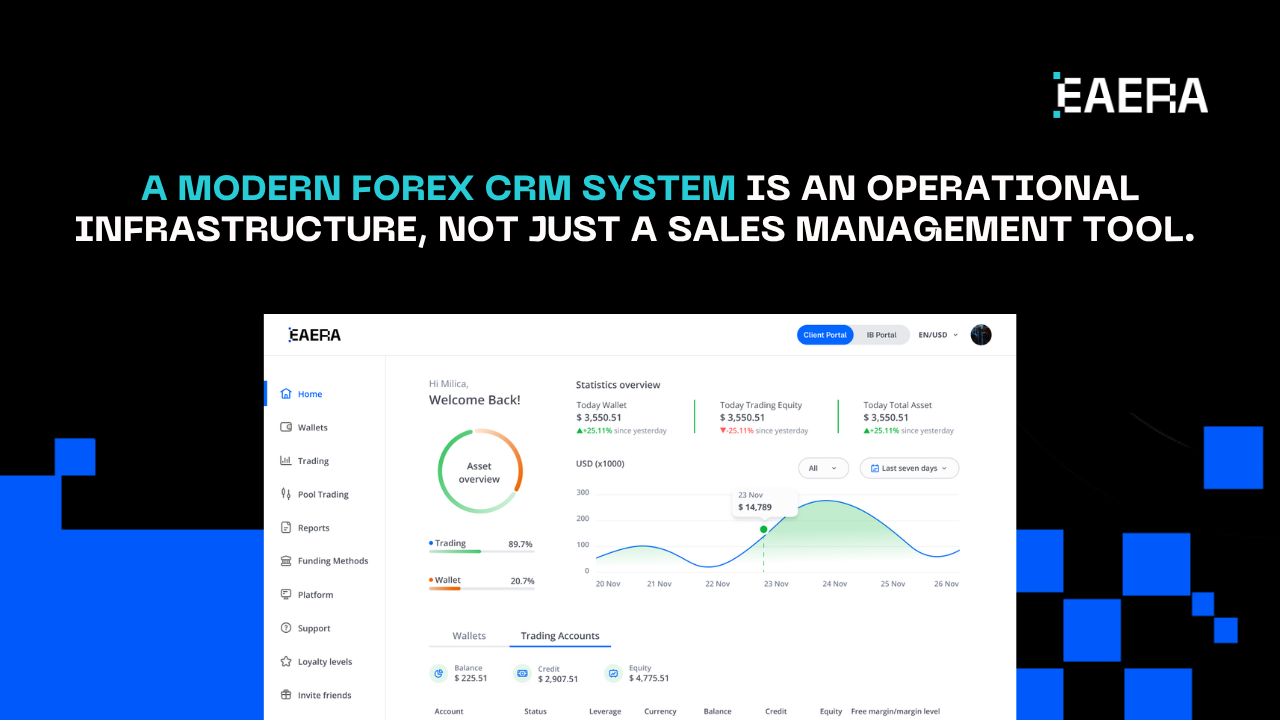
A modern forex CRM system is an operational infrastructure, not just a sales management tool.
Automation, Smart Lead Management, and Faster Onboarding
The first three features focus on improving operational speed and reducing manual overhead.
Feature 1: Workflow Automation
One of the key features of a modern forex CRM is automation.
Manual operational processes cause steep onboarding, increased internal workload, and inconsistencies between teams. Automation reduces repetitive tasks throughout the client lifecycle.
Examples include:
- Automated onboarding workflows
- Trigger-based communication
- Task assignment automation
- Reporting generation
Automation is also a great way to standardize workflow between departments, which increases operational consistency as brokerage firms grow.
That means brokers can scale up efficiency with bigger client volumes, by cutting manual operations.
Feature 2: Intelligent Lead Routing
Not all leads should follow the same workflow.
Advanced CRM systems can dynamically assign leads based on:
- Region and language
- Campaign source
- Trading interest
- Deposit potential
- Engagement level
This speeds up response and ensures that high value leads get the attention they require quickly.

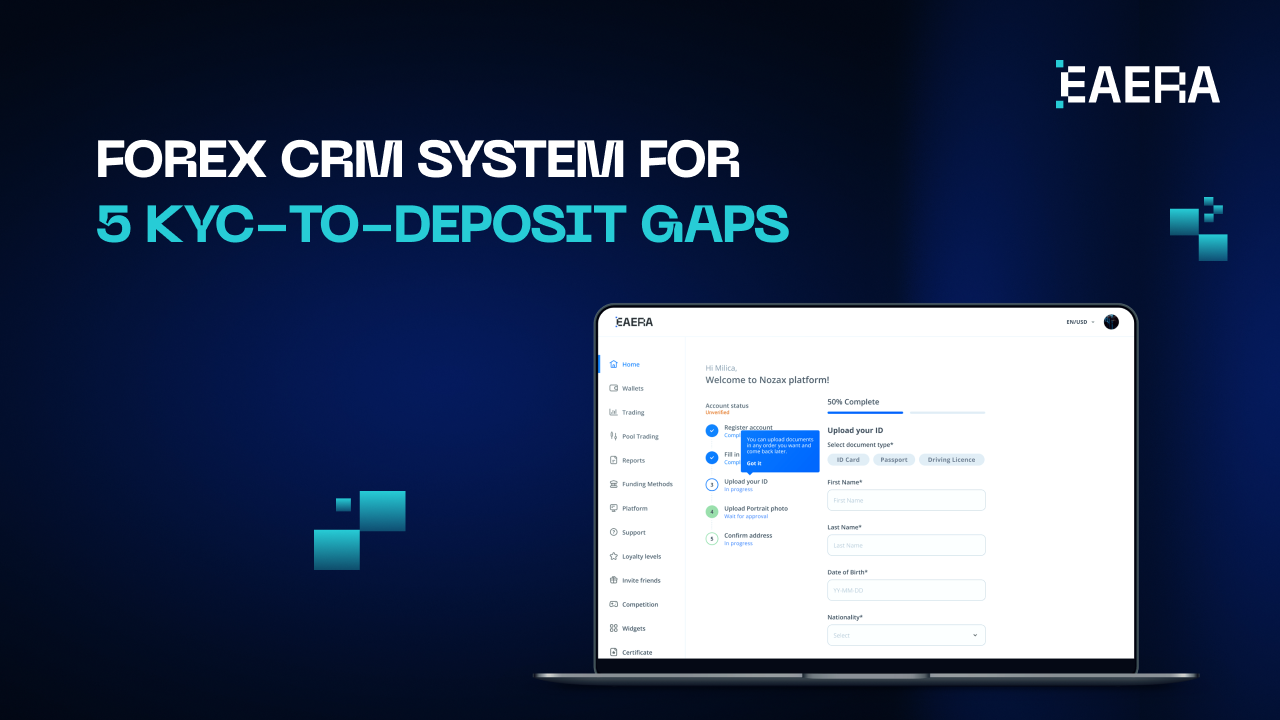
Feature 3: Fast Client Onboarding
A complicated onboarding process is still one of the biggest reasons for conversion drop-off.
A modern forex CRM system simplifies:
- Registration
- Document submission
- Verification workflows
- Account activation
The faster traders get on board, the more likely they are to fund accounts and start trading.
Retention, Analytics, and Real-Time Visibility
Getting leads is expensive. Looking after traders is becoming more and more important for broker profitability.
Feature 4: Retention-Focused Communication
High-performing brokers stay involved, not just acquisition focused.
CRM systems support retention through:
- Trigger-based email workflows
- Reactivation campaigns
- Personalized notifications
- Behavior-driven communication
These workflows help keep brokers engaged when client activity slows down over time.
The goal is to increase long-term value of the client and reduce inactivity.
Feature 5: Real-Time Analytics
Operational visibility is essential for making faster business decisions.
The best forex CRM system platforms provide real-time insights into:
- Conversion rates
- Funnel performance
- Retention metrics
- Team productivity
- Client activity trends
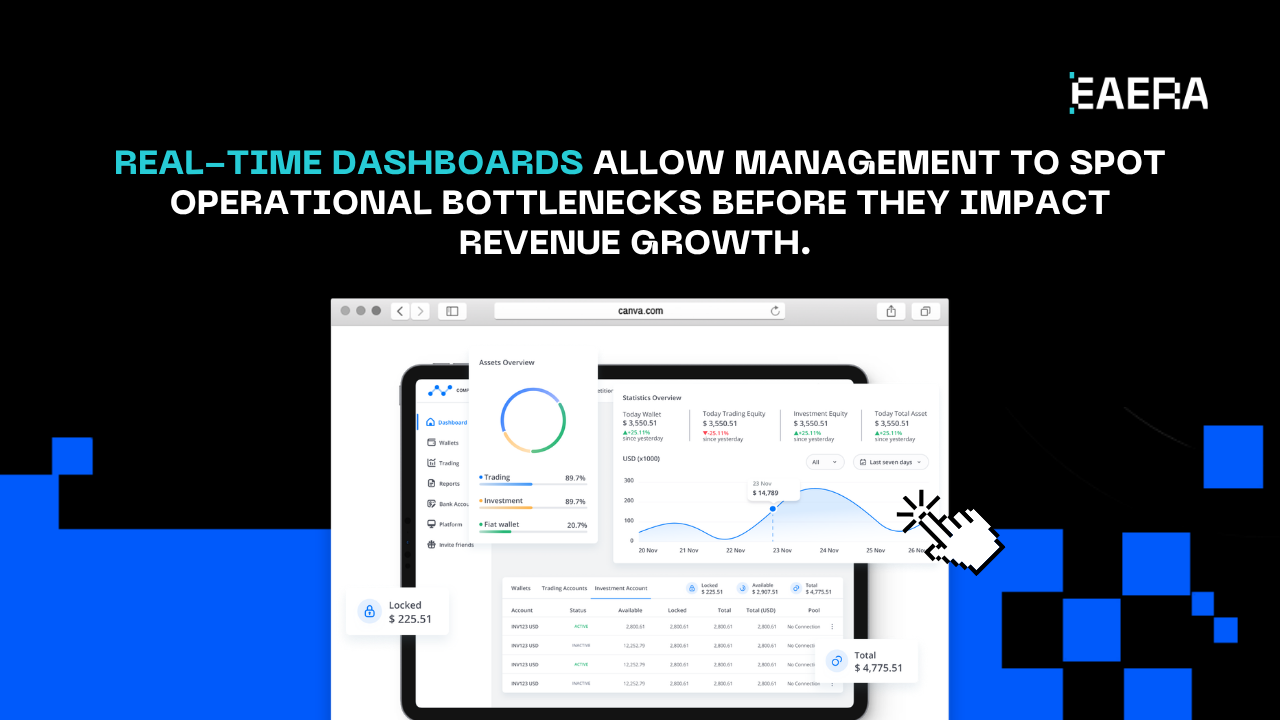
Real-time dashboards allow management to spot operational bottlenecks before they impact revenue growth.
Feature 6: Unified Client Data
Fragmented client information creates operational inefficiencies.
A centralized CRM environment allows brokers to store:
- Communication history
- Trading activity
- Support interactions
- KYC status
- Deposit behavior
Unified operational visibility improves coordination between sales, support, compliance and retention teams.
This creates a more consistent client experience across departments.
Multi-System Integration and Scalability
As brokers grow, disconnected systems and limited scalability become major operational barriers.
Feature 7: Integration with Trading and Back-Office Systems
A strong forex CRM should integrate directly with:
- MT4 and MT5 platforms
- Wallet and payment systems
- Compliance tools
- Support systems
- Marketing platforms
Without integration, brokers often face:
- Duplicate workflows
- Delayed updates
- Data inconsistencies
- Increased operational overhead
Integrated ecosystems align operational and client data in real time, reducing friction across workflows.
This improves both efficiency and user experience.
Feature 8: Multi-Region Scalability
Modern brokerage firms often operate across multiple regions and client segments.
CRM infrastructure should support:
- Multi-language environments
- Flexible workflows
- Regional operational structures
- High-volume client management
Scalable systems allow companies to scale without the same level of operational complexity.
Solutions like EAERA show that integrated CRM infrastructure can enable both scalable brokerage operations as well as operational efficiency at the same time.
Forex CRM System Comparison: Basic vs High-Performance Platforms
Not all CRM systems provide the same operational value.
| Area | Basic CRM System | Advanced Forex CRM System |
| Automation | Partial workflows | End-to-end automation |
| Reporting | Manual or delayed | Real-time analytics |
| Retention | Generic communication | Behavior-driven engagement |
| Integration | Limited connectivity | Full operational ecosystem |
| Scalability | Small team support | Multi-region infrastructure |
| Onboarding | Manual-heavy | Streamlined workflows |
The winning brokers are those that are focusing on operational optimization and not just increasing lead volume.
The difference between average and high-performing brokers is often the efficiency with which they can manage the onboarding, retention and operational coordination at scale.
Platforms such as EAERA leverage automation, analytics, and integration into scalable operational ecosystems designed for broker growth.
What Brokers Should Prioritize When Choosing a Forex CRM System?
When choosing the right forex CRM system, it is not about feature lists. Brokers should review the platform’s ability to deliver long-term operational performance.
Key evaluation areas include:
- Automation depth
- Retention capabilities
- Integration flexibility
- Reporting quality
- Scalability
- Ease of use
Flexibility to customize is also important, especially for brokers with different business models and client types in different regions.
The best CRM systems are designed to facilitate operational growth, not just manage contacts.
By 2026, operational efficiency will increasingly differentiate average brokers from market leaders. A modern forex CRM system allows brokers to improve speed of onboarding, automate workflows, increase retention and support scalable growth.
The 8 features discussed in this article are not optional upgrades but essential requirements. Brokers investing in advanced CRM infrastructure gain enhanced operational visibility, improved client engagement and long-term competitive advantages in a more demanding market.