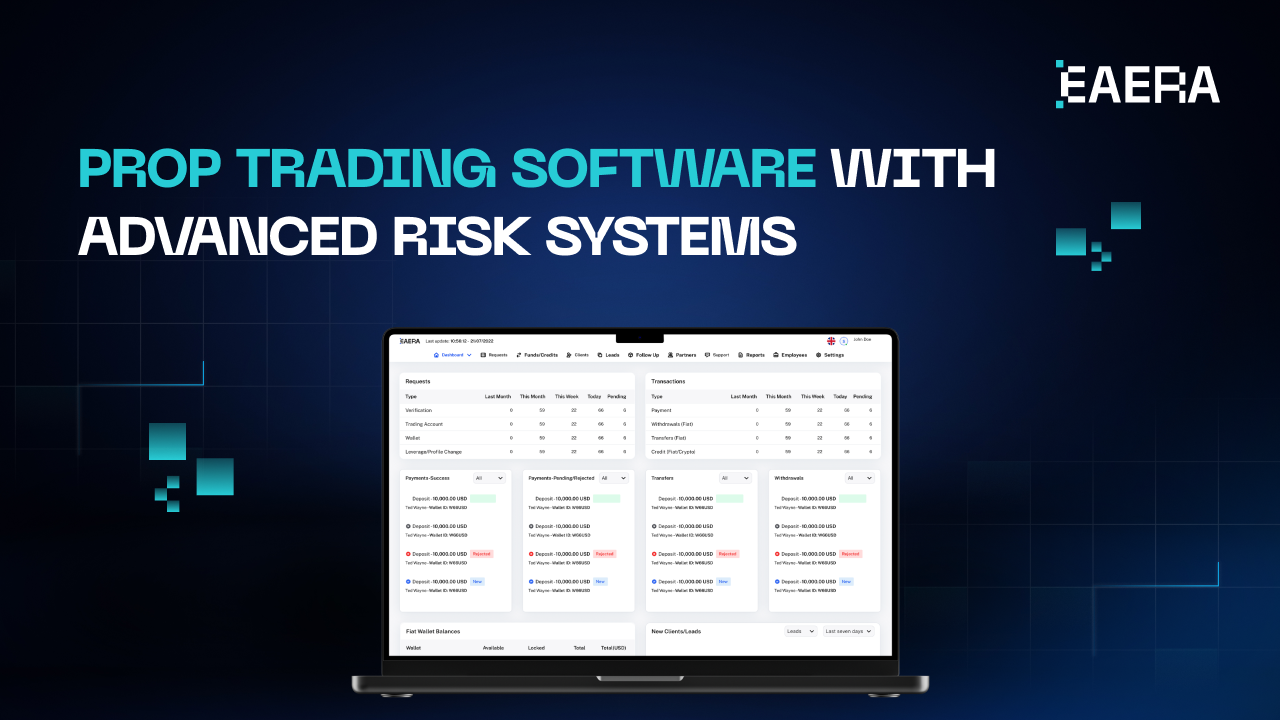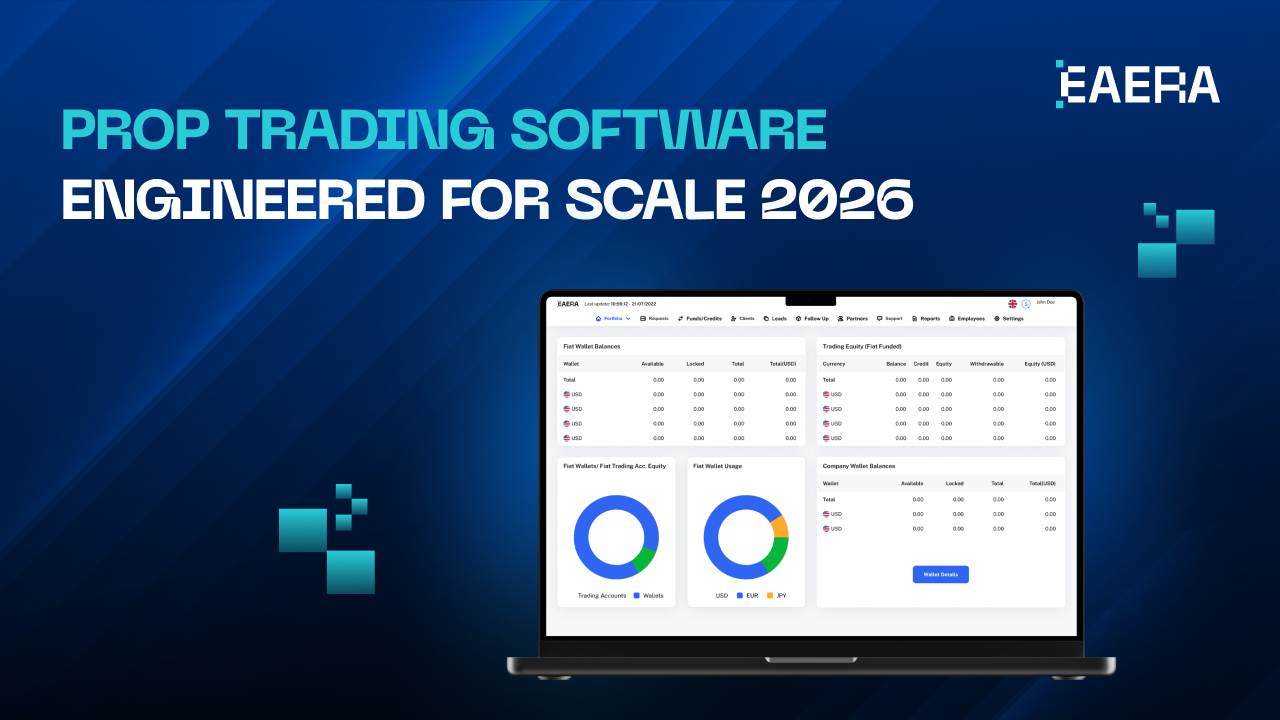




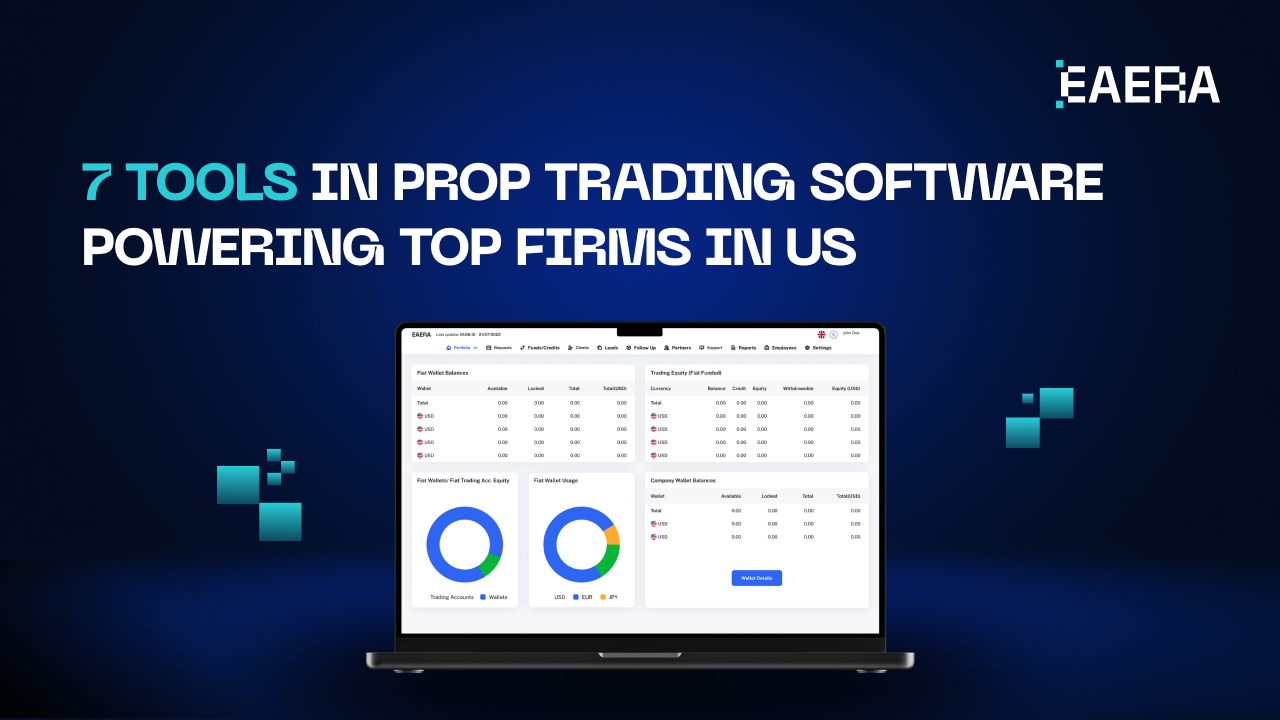
Today’s prop trading software is so much more than basic trading dashboards. Today, the top prop firms in the USA are implementing integrated operational systems that cover onboarding, evaluations, risk management, payouts, analytics, and trader engagement all at once in the funded trading industry.
Funded challenge models have scaled globally, and operational complexity has grown tremendously. Today, a firm may be dealing with thousands of traders across multiple challenge phases, account types, and payout cycles. The basic trading platforms are no longer sufficient to meet operational demand at this level.
Related articles:
- Top Prop Trading Tools for US Firms: Scale Risk-Free 2026
- The US Trader’s Guide to Choosing the Right Trading Platform
This is why top firms invest in sophisticated prop-trading software built for scalable challenge management and trader lifecycle operations. The right infrastructure improves operational efficiency, enhances the trader experience, and allows the firm to scale without operational bottlenecks.
Why US Prop Firms Need More Than Basic Trading Platforms?
The funded trading industry operates differently from traditional broker environments.
Instead of focusing only on trading execution, prop firms manage a complete operational ecosystem involving:
- Challenge purchases
- Evaluation tracking
- Trading rule enforcement
- Payout workflows
- Trader engagement
- Operational analytics
This makes for a much more complex operational structure.
The US-funded trading market is becoming more competitive, and trader experience and operational scalability are becoming key business differentiators.
Simple trading platforms lack the infrastructure to manage such workflows efficiently. Companies with disconnected systems often deal with:
- Manual operational overhead
- Delayed account updates
- Inconsistent trader experiences
- Limited operational visibility
- Scaling challenges
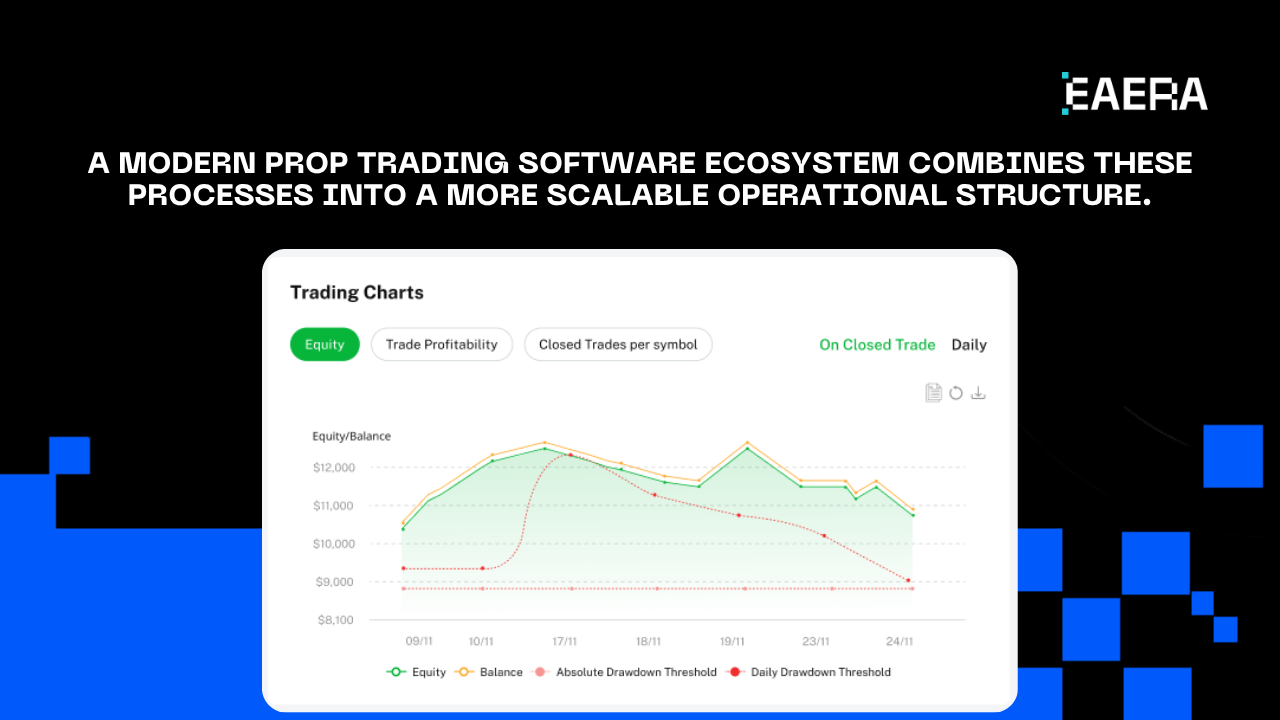
A modern prop trading software ecosystem combines these processes into a more scalable operational structure.
Challenge Management, Risk Monitoring, and Trader Dashboard
The first three tools form the operational foundation of most funded challenge businesses.
Tool 1: Challenge Management System
A challenge management system handles the lifecycle of funded evaluations from registration to completion.
Core capabilities include:
- Trader registration workflows
- Challenge purchases
- Account provisioning
- Multi-step evaluation tracking
- Automated status updates
At scale, operations on the challenges become unmanageable without automation.
Automated challenge workflows also speed up onboarding, enabling traders to start evaluations earlier and reducing the operational burden on internal teams.
A modern prop trading software platform should have clear lifecycle visibility to traders and operational teams.
Tool 2: Real-Time Risk Monitoring
Risk management is one of the most important operational levels in funded challenge businesses.
A modern system should monitor:
- Daily drawdown
- Maximum drawdown
- Profit targets
- Trading rule violations
- Account status changes
Operational consistency is improved and manual review is reduced by automated alerts and monitoring.
Real-time monitoring also enables companies to better preserve challenge integrity across large volumes of traders and multiple account types.

Tool 3: Trader Dashboard
Trader dashboards play a major role in overall user experience.
Effective dashboards provide visibility into:
- Challenge progress
- Profit targets
- Rule status
- Account metrics
- Trading performance
Clear operational visibility improves trader engagement and reduces support requests.
Payout Automation and CRM Workflows
As firms grow, payout operations and trader lifecycle management become more important.
Tool 4: Payout and Wallet Management
Efficient payout operations help build trader trust and improve operational scalability.
A modern prop trading software platform should support:
- Withdrawal requests
- Approval workflows
- Wallet visibility
- Transaction tracking
- Operational payout reporting
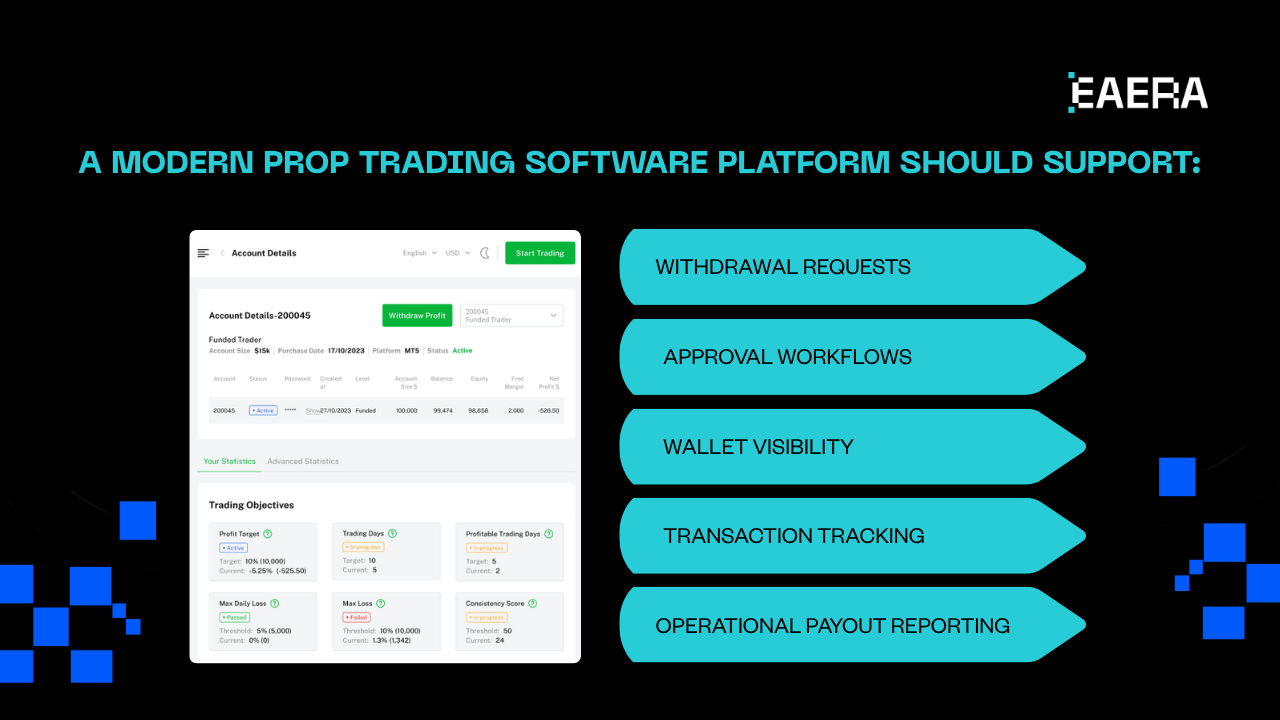
Centralized payout workflows also improve coordination between finance, support, and operational teams.
As the number of traders increases, it becomes more difficult to manually handle payouts. Automation can help reduce delays and operational bottlenecks.
Tool 5: CRM and Trader Lifecycle Automation
Most companies are overspending on acquisition and underspending on retention workflows.
CRM infrastructure supports:
- Lead management
- Onboarding automation
- Retention campaigns
- Reactivation workflows
- Trigger-based communication
The objective is not just to attract traders, but to keep them in the long term and through multiple challenge cycles.
Behavior-driven communication workflows enable firms to customize engagement based on trader activity, leading to improved retention and lifetime value.
Integrated CRM systems allow firms to centralize operational communication across the trader’s lifecycle.
Analytics and Platform Integration
Operational visibility and infrastructure integration are becoming key competitive advantages for prop firms.
Tool 6: Performance Analytics
Analytics systems help firms understand both operational and trader performance.
Key reporting areas include:
- Trader performance analysis
- Firm-level risk visibility
- Revenue tracking
- Retention analytics
- Payout trends
Real-time operational analytics help firms identify workflow bottlenecks, improve challenge structures, and improve operational efficiency at a faster pace.
The best prop trading software systems integrate reporting onto single operational dashboards.
Tool 7: Trading Platform and System Integration
Disconnected operational systems lead to inefficiencies and inconsistent user experiences.
Modern infrastructure should integrate with:
- Trading platforms
- Payment systems
- Affiliate systems
- Support platforms
- Back-office infrastructure
- Analytics tools
Integrated systems provide better coordination of operations and reduce duplication of efforts between departments.
Solutions like EAERA are an example of how integrated infrastructure can assist scalable funded challenge operations and centralized workflow management.
Prop Trading Software Comparison: Basic Tools vs Integrated Stack
Not all systems are built to support high volume funded challenge operations.
| Area | Basic Tool Stack | Advanced Prop Trading Software |
| Challenge Tracking | Manual updates | Automated lifecycle management |
| Risk Monitoring | Delayed review | Real-time rule enforcement |
| Payouts | Manual processing | Integrated approval workflows |
| Trader Dashboard | Limited visibility | Full progress and rule tracking |
| Analytics | Fragmented reports | Centralized operational insights |
| Integration | Disconnected systems | Unified operational ecosystem |
High-performing companies grow more efficiently, by optimizing their operational infrastructure, rather than through growth by acquisition.
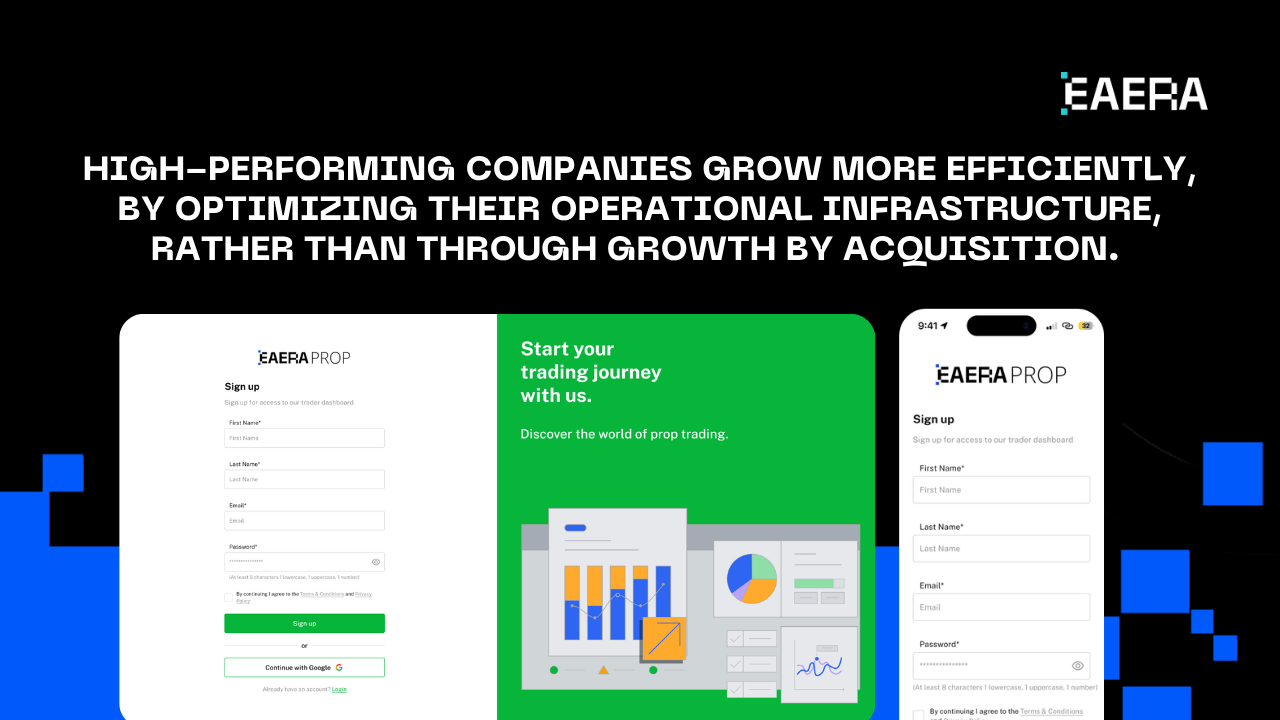
Combining challenge management, payouts, analytics and trader engagement into one operational ecosystem is becoming a key competitive advantage in the US market.
Platforms such as EAERA bring together operational automation, analytics and infrastructure within scalable ecosystems for funded trading businesses.
What US Firms Should Prioritize When Choosing Prop Trading Software?
It’s not just about looking at the trading functionality when you’re selecting the right prop trading software. Firms should evaluate the platform’s capacity to support operational scalability and trader lifecycle management.
Important evaluation areas include:
- Challenge lifecycle automation
- Risk monitoring depth
- Payout workflow efficiency
- Trader dashboard experience
- CRM capabilities
- Integration flexibility
- Scalability
- Reporting visibility
Customization flexibility is also key, especially for firms with multiple challenge models, account structures, or operating workflows.
The best prop trading software platforms are complete operational ecosystems, not just standalone trading tools.