



To EAERA, the workplace is a component of the operating system that influences team dynamics, concentration, and performance. The environment must expand along with EAERA to facilitate modern work practices and lessen friction. This article describes how EAERA connects physical space to performance, what changes are most important, and how it approaches a workspace that is ready for the future.
Why EAERA Treats the Workplace as a Strategic Asset
EAERA does not treat the office as a static expense. EAERA treats it as a strategic asset that can either accelerate execution or quietly slow it down. When a company scales, small inefficiencies compound: meeting rooms become bottlenecks; collaboration turns noisy, and focused work becomes harder to protect. EAERA’s workspace upgrade is designed to solve those problems at the root.
The office is not considered a static expense by EAERA. We view it as a strategic tool that can be used to subtly slow down or speed up execution. Small inefficiencies compound as a business grows: meeting spaces become bottlenecks, teamwork becomes noisy, and concentrated work becomes more difficult to safeguard.
A future-ready workplace at EAERA is built around outcomes, not trends. The office should support speed and clarity without creating constant disruption. We aim to create an environment where people can do deep work, align quickly, and collaborate without friction.
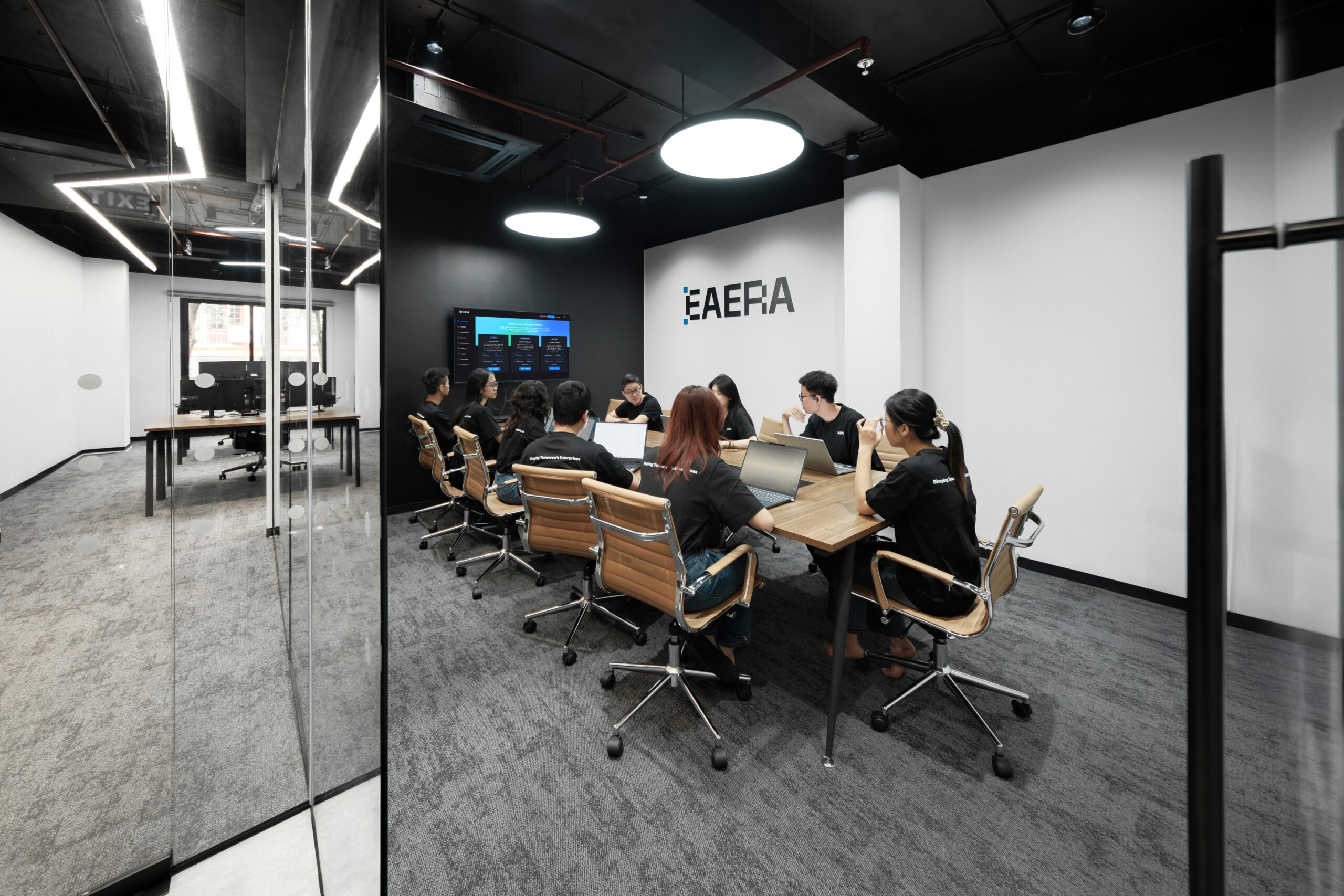
EAERA’s workplace strategy is anchored in a few practical beliefs:
- The office should reduce context switching, not increase it
- Collaboration should be easy, but not unavoidable
- Focus should be protected by design, not by luck
- The environment should reflect professionalism and care
In other words, EAERA upgrades the workspace because it directly impacts quality and consistency. The goal is not “a nicer office.” The goal is a better system for work.
Workspace for the Future
The term “workspace for the future” can be ambiguous. EAERA provides a useful definition. At EAERA, it refers to a work environment that accommodates actual work modes, such as concentration, teamwork, and decision-making. Instead of using a one-size-fits-all layout, we design space based on how teams function.
Three pillars to guide workspace decisions:
- Flexibility so teams can switch between work modes naturally
- Focus so people can protect concentration when the task demands it
- Connection so collaboration happens smoothly without constant noise
A future-ready office at EAERA is expected to deliver:
- Clear separation between quiet work and active discussion
- Meeting environments that are reliable and easy to use
- A layout that supports growth without constant rearrangement
- Comfort features that help people sustain energy across the day
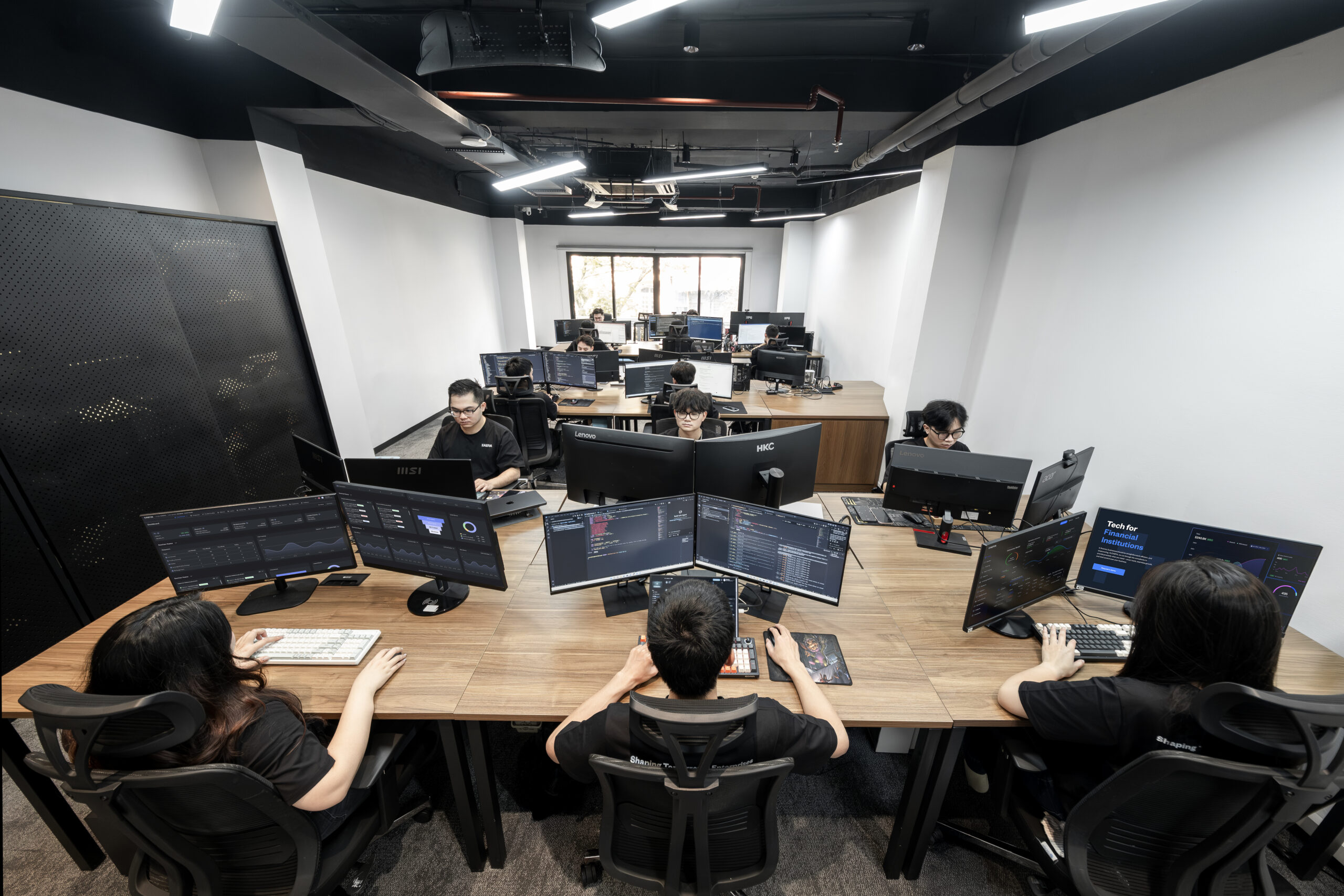
Additionally, EAERA considers the “invisible layer” that keeps an office functioning. This covers how rooms are reserved, how areas are utilized, and how well the setting facilitates daily activities. The standard is straightforward: rather than slowing down the team’s pace, the space should support it.
How EAERA Designs for Focus, Collaboration, and Daily Flow
To create a more contemporary and comfortable working environment, EAERA is expanding and remodeling its office. We prioritize improved structure in addition to more space. In growing organizations, layout problems show up as wasted time: searching for rooms, working around noise, and losing momentum between meetings and deep work.
The fundamental idea behind EAERA’s design methodology is that there are various modes of work, and each requires a unique setting. All modes are rarely supported by a single open layout. The goal is to create a more deliberate and seamless mode of transitions.
EAERA typically supports three “work zones”:
- Collaboration zones for quick alignment, brainstorming, and team problem-solving
- Meeting zones for structured discussions, stakeholder reviews, and decision-making
- Focus zones for writing, planning, analysis, and tasks that require long attention
This zoning approach matters because it reduces friction:
- It reduces unnecessary interruptions during deep work
- It decreases meeting delays caused by space constraints
- It creates predictable places for different types of work
- It supports calmer, higher-quality collaboration
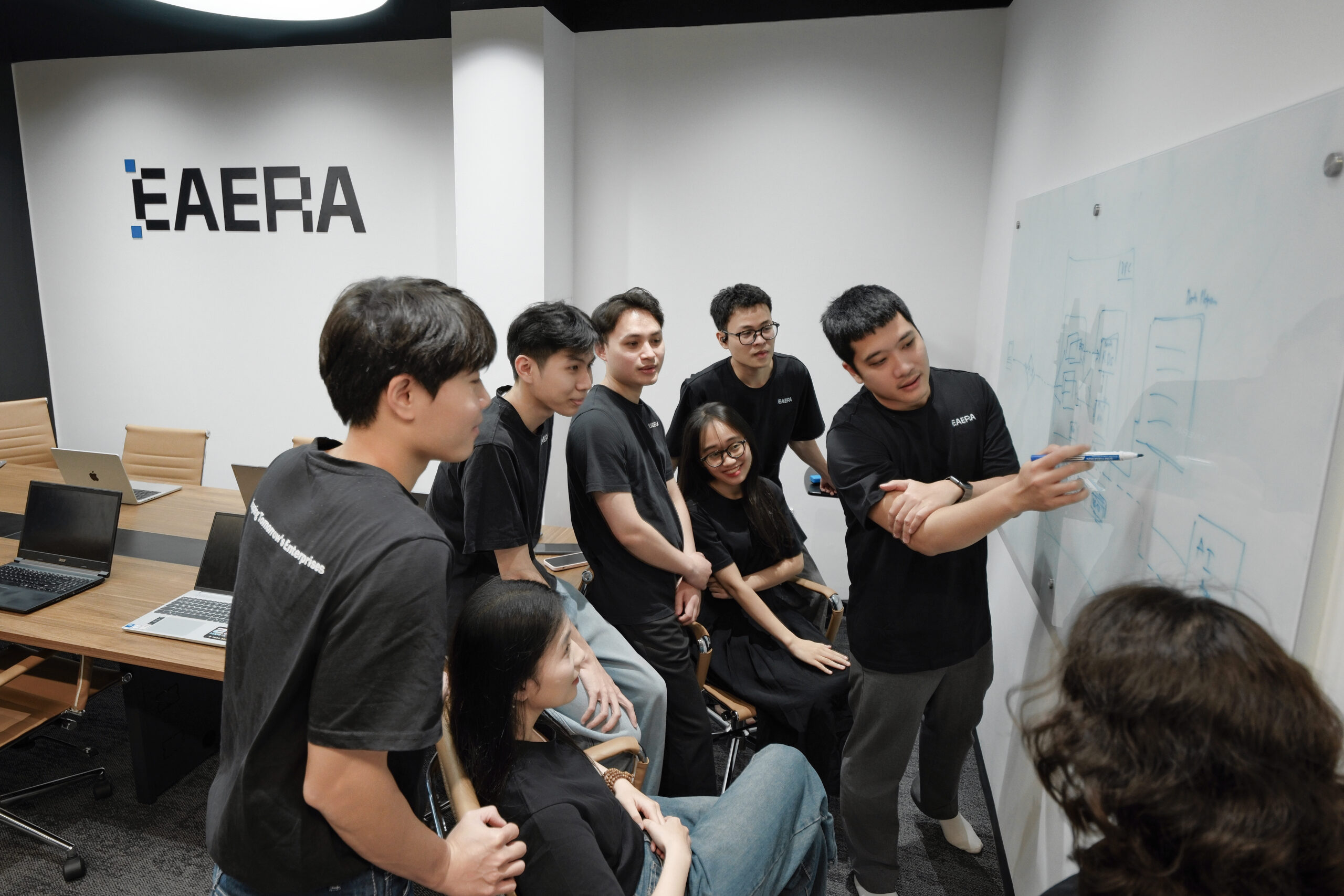
By viewing meeting spaces as execution environments, we also enhance the quality of meetings. The aesthetics of a meeting room’s design are not important. It has to do with speed and dependability. Effective use of layout, acoustics, and technology speeds up decision-making and clarifies follow-ups.
Our office upgrade focuses on:
- Better meeting rooms designed for effective alignment
- Smarter layouts that match how teams collaborate now
- More comfortable shared spaces that support day-to-day flow
- A fresher environment that helps people stay focused longer
Culture and Employee Experience: What EAERA Wants People to Feel
The workspace strategy of EAERA is linked to culture. Behavior is shaped by the surroundings. Communication becomes reactive in a chaotic environment. Collaboration becomes more deliberate when a space is organized. We want the office to uphold the culture it seeks to establish, which includes composed execution and transparent communication.
Additionally, we design various working styles. Not everyone does well in the same setting. An office that is prepared for the future should encourage both focused, solitary work and productive teamwork. The objective is to establish a well-balanced environment in which users can select the appropriate mode for the task at hand.
From an employee experience perspective, we aim to create a workplace that feels:
- Comfortable enough to sustain long workdays without fatigue
- Organized enough to reduce stress and confusion
- Open enough to encourage collaboration without forcing it
- Professional enough to reflect the standards of the company
We make investments in the workplace because it reflects the company’s values regarding employees and output. Teams are more likely to perform consistently when they feel supported. That consistency should be sustainable.
How EAERA Measures the Impact of a Workspace Upgrade
The office upgrade is based on operational results rather than aesthetics. Our company evaluate whether the workspace lowers friction and enhances performance by treating it as an operational system.
We look for measurable signals such as:
- Reduced meeting scheduling conflicts and fewer “room hunting” moments
- Faster decision cycles because meetings run smoothly and start on time
- Higher focus time availability due to better space separation
- Lower internal noise and fewer interruptions during deep work
- Better cross-team collaboration because shared spaces are easier to use
EAERA also considers onboarding and scalability. As EAERA grows, the office must support faster integration of new hires. A clear layout, predictable meeting spaces, and well-defined work zones help new team members become productive sooner, with fewer informal workarounds.
Another important lens is resilience. When the workspace is designed well, the organization relies less on “heroics” and more on stable routines. EAERA wants to build that kind of stability into everyday work.
Related articles:
- Quoxis – EAERA – TRIPLAYZ: A Centralized System for Streamlined Business Management
- EAERA: Shaping the Architecture of the Next Trading Era
EAERA’s operational intent is clear:
- Reduce friction in daily execution
- Improve meeting quality and decision speed
- Protect deep work and concentration
- Support growth without creating chaos
According to EAERA, the workplace is a living system. It should consistently enhance team operations rather than just the appearance of the office. For this reason, we make design investments that put long-term performance and everyday usability first.