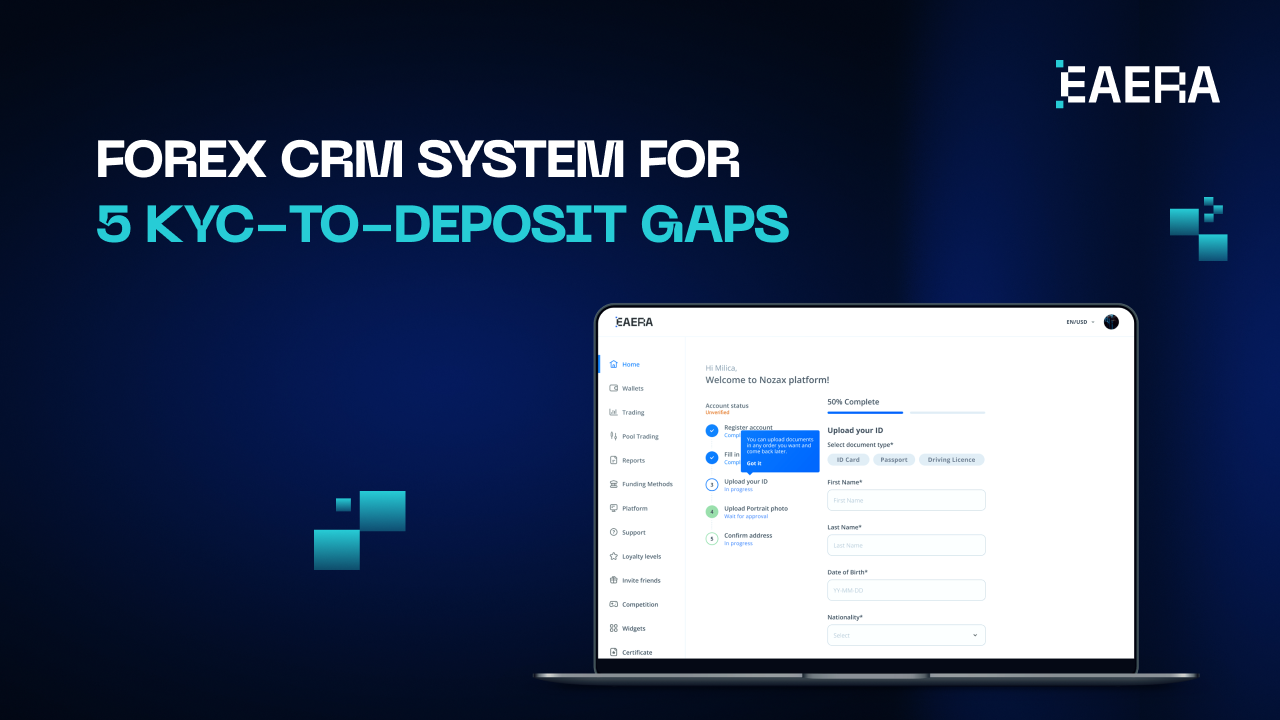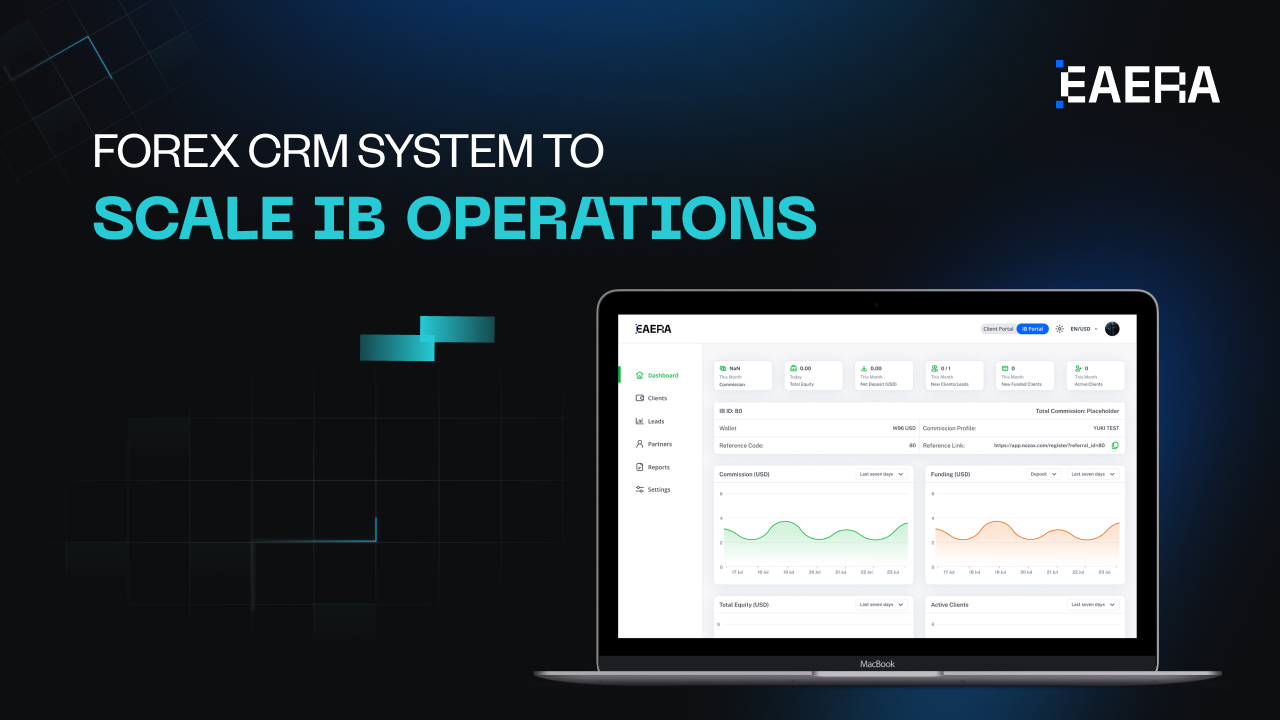




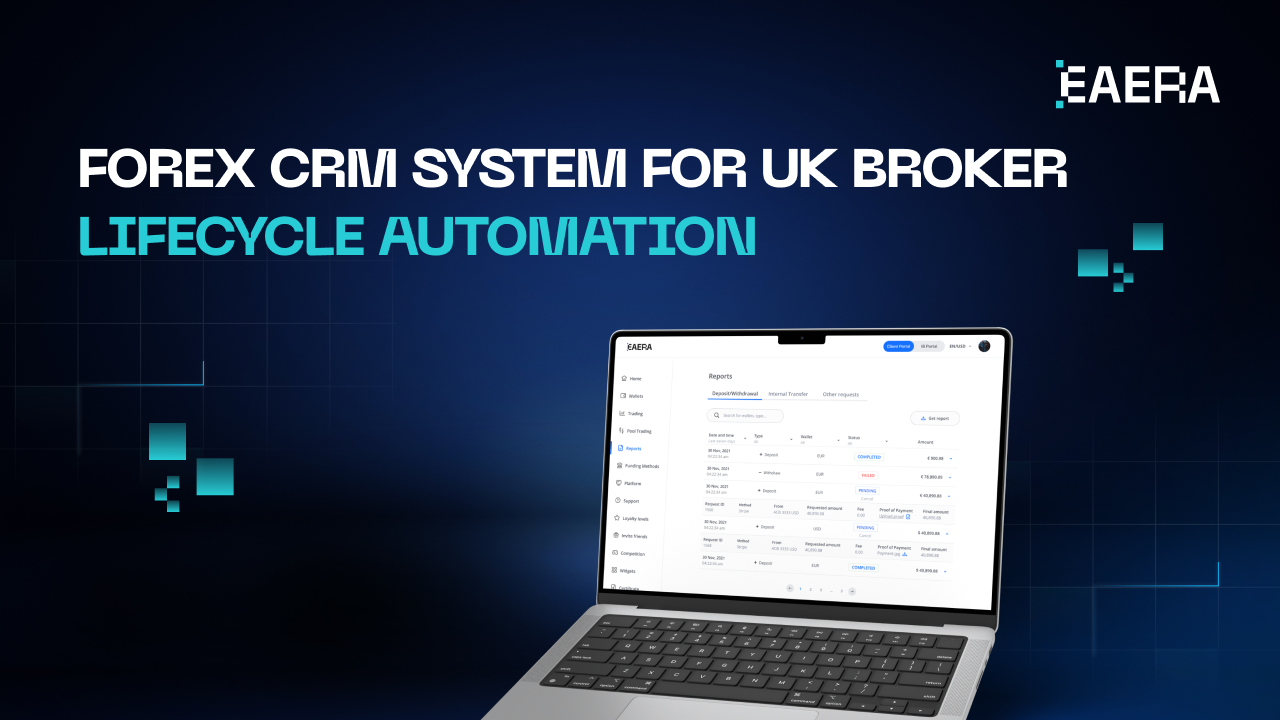
A forex CRM system allows UK brokers to automate the entire client lifecycle from lead capture and onboarding to KYC, funding, trading activation, retention, reporting and support. UK lifecycle automation must be more than a sales speed-up. It should also enable clear communication with clients, controlled workflows, and greater transparency into operations.
Related articles:
- Choosing the Best CRM for FX Brokers: A Step-by-Step Guide
- Top 10 Forex CRM Best Features Every Broker Needs
In this article, we outline the UK market environment, the lifecycle challenges brokers face, and the CRM automation capabilities that enable teams to grow at scale while keeping control.
Why UK Brokers Need Lifecycle Automation in 2026
UK brokers operate in a mature and highly regulated financial market. Clients will be able to easily compare providers, switch platforms and look forward to a smooth digital journey from the first registration to active trading. At the same time, brokers must manage communication, onboarding, funding, and retention in a controlled way.
This poses a practical problem. A broker needs to grow, but growth cannot be achieved through disconnected sales follow-up, lack of clarity on client status, manual KYC checks, or generic reactivation campaigns. Structure every client journey so it’s visible and measurable.
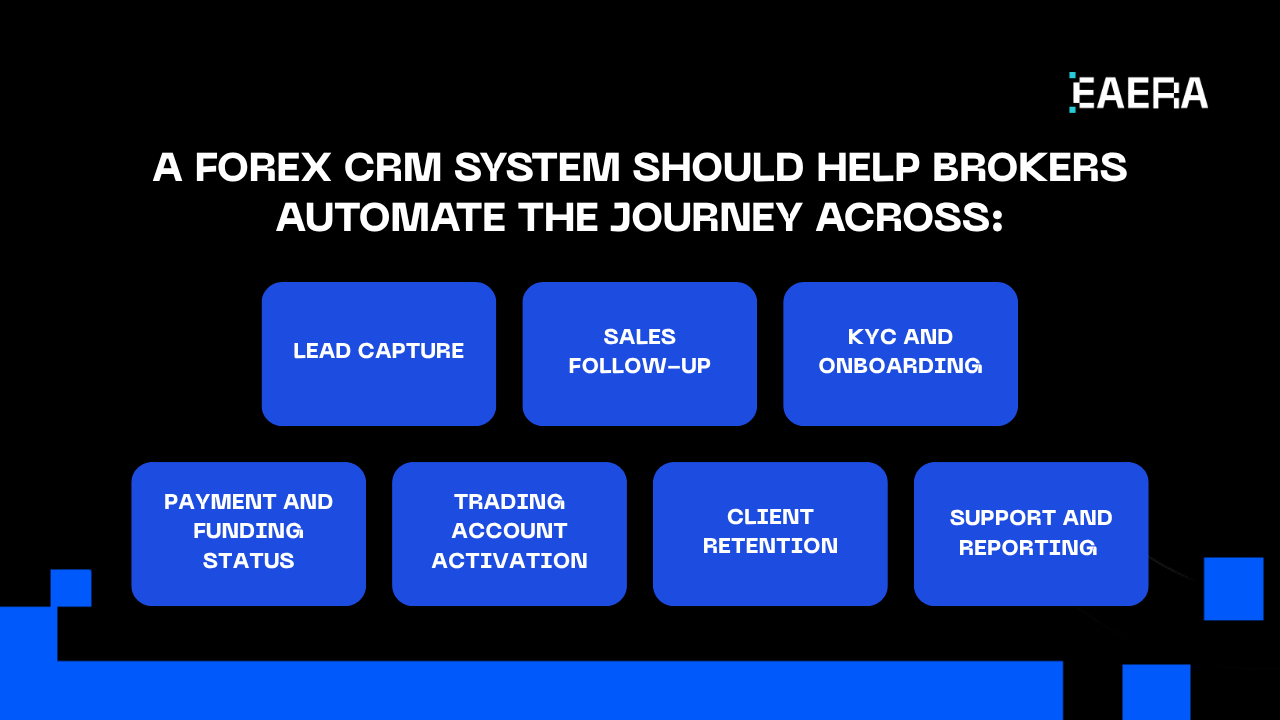
A forex CRM system should help brokers automate the journey across:
- Lead capture
- Sales follow-up
- KYC and onboarding
- Payment and funding status
- Trading account activation
- Client retention
- Support and reporting
Lifecycle automation means using CRM workflows to move clients from one stage to the next with clear triggers, team ownership, client communication, and reporting.
For UK brokers, this is not just a sales uplift for UK brokers. It’s an operating model that enables teams to reduce manual work, improve client experience, and make it easier to review lifecycle decisions.
Problem 1: Lead Follow-Up Becomes Too Slow or Too Generic
In the UK, brokers compete in a marketplace where clients can easily compare trading providers. Leads that wait too long for follow-up can lose the opportunity. If the message is too generic, the client may ignore it.
The challenge is that sales teams often lack a complete picture of lead source, client intent, onboarding status, and next action. One lead might have asked for a demo account. Another might have started KYC. Someone else could have come back after weeks of being away. You don’t want to pursue these leads the same way.
A forex CRM system should automate:
- Lead assignment by region, source, language, or workload
- Follow-up reminders
- Overdue task alerts
- Lead source tracking
- Demo-to-live conversion tracking
- Sales ownership visibility
- Client communication history
UK brokers should follow-up fast, but also clear and controlled. The CRM should enable sales teams to know why they are reaching out to a client and what is the right next step.

The answer isn’t to pile on the sales pressure. Timing is better. Context is better. Records are cleaner. Someone who has signed up but not completed onboarding may need assistance. Funding support may be needed for a verified client.
Problem 2: KYC and Onboarding Create Drop-Off and Review Bottlenecks
KYC & onboarding are key lifecycle points. If it’s slow, clients drop off. Brokers can face operational and compliance risk if not well controlled.
A client might sign up but not verify, because it is not clear what to do next. You might not know if a client is pending docs, under review, approved, rejected or restricted. Support might need to ask for updates on compliance. Sales may follow up without knowing the client’s status.
A forex CRM system should support:
- Required profile fields
- Document submission status
- KYC provider result
- Review queue
- Approval or rejection reason
- Client notification history
- Risk category
- Manual review notes
- Account opening eligibility
The best forex CRM system should connect onboarding status to client communication, sales action, payment availability, and account access.
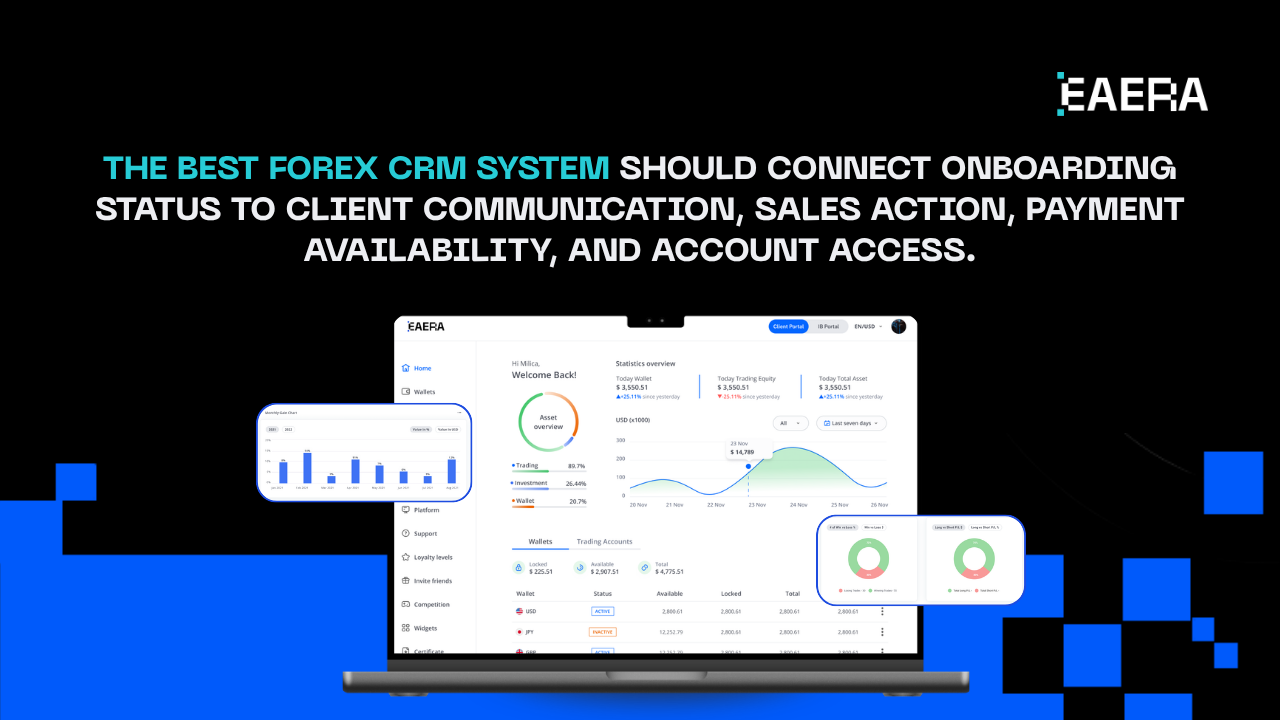
Structured onboarding is especially important to UK brokers as CFDs and leveraged products require careful client journey design. Before the broker moves funding, trading account creation or product access, it needs to know if the client has taken the right steps.
Lifecycle automation reduces onboarding friction by making every status clear. If documents are missing, the client should receive a reminder. If KYC is approved, the next workflow should begin. If KYC is rejected, the reason should be recorded and communicated clearly.
Problem 3: Funding and Trading Activation Are Disconnected
A verified client who attempts a deposit is showing strong intent. But many brokers lose clients between funding and trading activation because payment status, wallet balance, and trading account setup are disconnected.
The problem is simple: a client may deposit but not trade. A payment may fail without follow-up. Funds may sit in a wallet without being moved to the trading account. A trading account may be created, but no first trade happens.
A forex CRM system should automate triggers such as:
- Deposit failed → support follow-up
- Deposit completed → activation task
- Wallet funded but no trading account → account setup reminder
- Trading account created but no first trade → sales or education follow-up
- Withdrawal pending → finance or compliance review alert
Lifecycle automation reduces onboarding friction by making each status crystal clear. If documents are missing, the client must be reminded. If KYC is approved, then the next workflow should be initiated. If KYC is rejected, the reason for the rejection should be recorded and communicated clearly.
A verified client who wants to make a deposit – has a strong intent. Many brokers lose clients between funding and trading activation because payment status, wallet balance, and trading account setup are not linked.
The problem is simple: a client can deposit but cannot trade. A payment can fail with no follow-up. The funds may remain in a wallet without being moved to the trading account. A trading account can be established, but no initial trade is performed.
Problem 4: Retention Becomes Risky When Data Is Fragmented
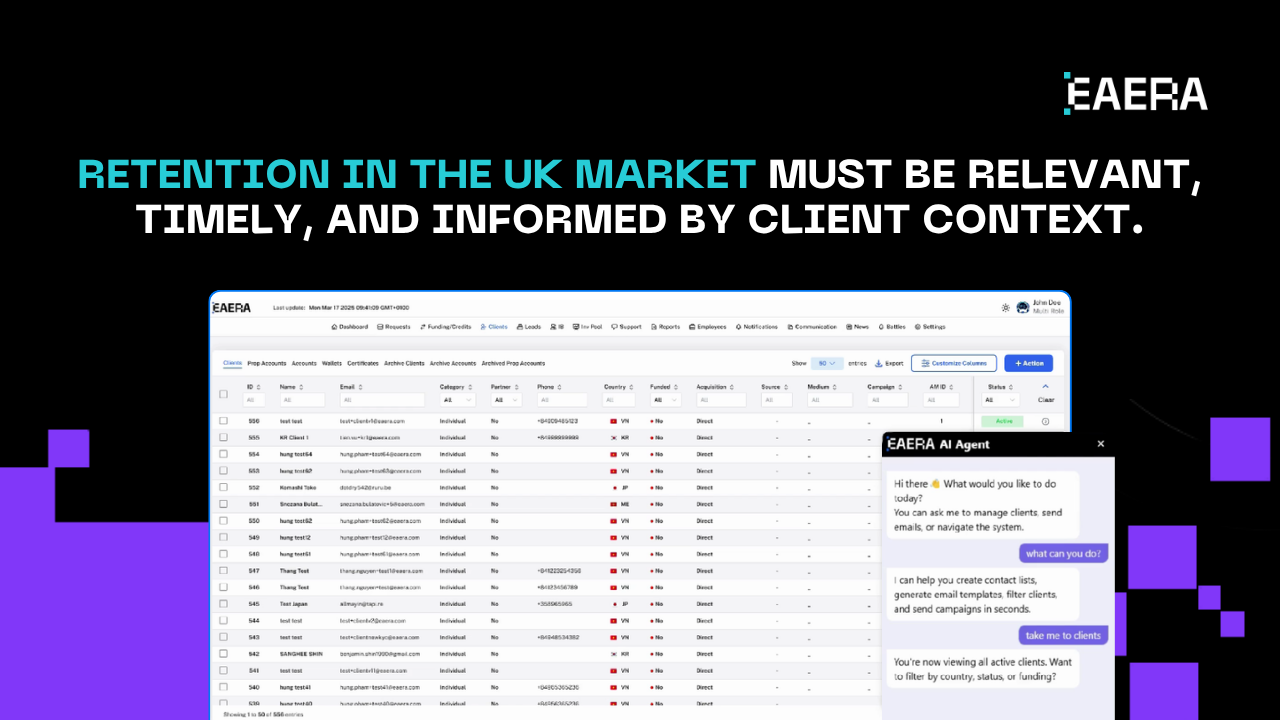
Retention in the UK market must be relevant, timely, and informed by client context. Generic reactivation campaigns can create a bad client experience, especially in high-risk financial products.
The problem is that retention teams often get only partial data. They may see that a client is inactive but does not know why. One client may have funded but never traded. Someone else may have traded a lot and then slowed down. Another could have had bad deposits on repeat. Another may have an open support question.
A forex CRM system should help retention teams segment clients by:
- Funded but not traded
- Active but declining
- Dormant after previous high activity
- Demo user not converted
- Client with repeated failed deposits
- Client with open support issue
- Client nearing document expiry
- Client requiring review before reactivation
This helps teams move from broad campaigns to controlled, context-based engagement.
A funded but inactive client may need some platform guidance. An account manager may need to follow up with an active trader in decline. A demo user might require a conversion workflow. A customer with failed payments needs support, not a generic promotional message.
Retention automation should be based on lifecycle stage, trading behavior, payment history, and support context. This makes communication more relevant and easier to manage.
UK brokers should choose CRM systems that improve lifecycle performance without weakening client communication, compliance visibility, or control.