



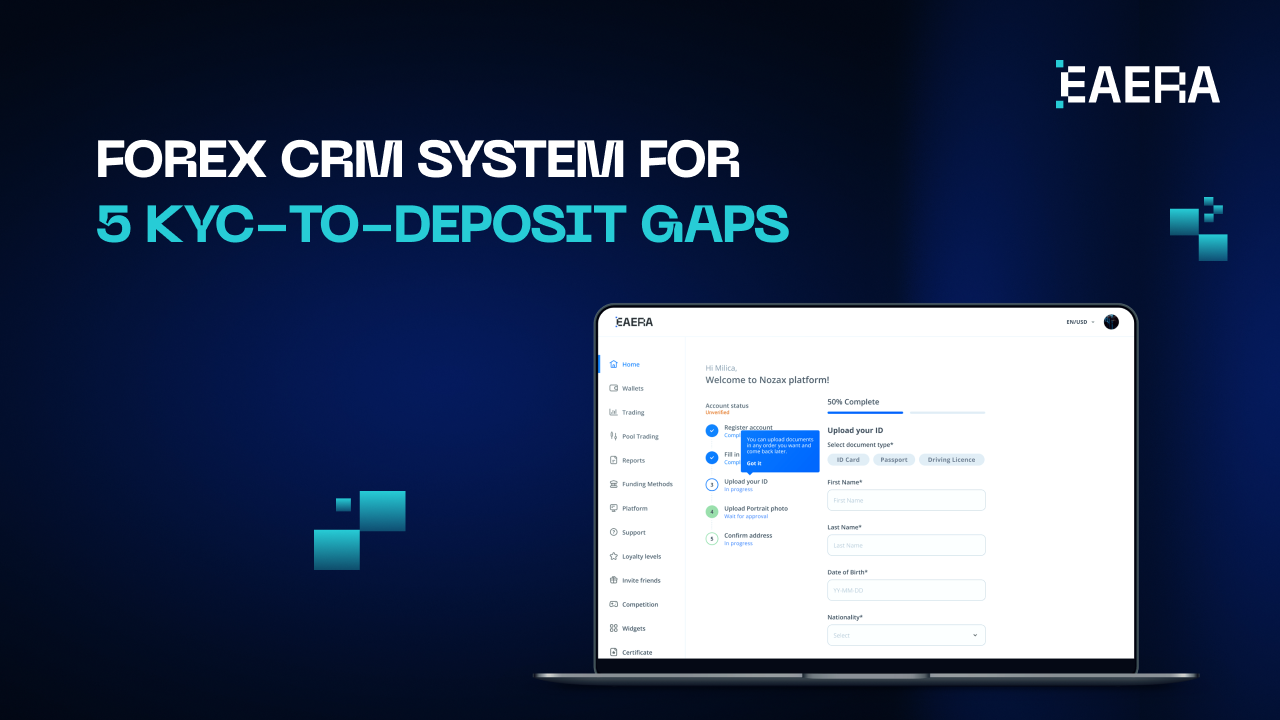
KYC approval does not guarantee conversion of deposits. After verification, many brokers lose clients because of unclear next steps, slow follow-up, unidentified payment friction, or ownership changes between teams.
Related articles:
- Best Forex CRM Systems to Track Trader Intent Signals
- Forex CRM: The Key to Success in Forex Trading
A forex CRM system helps brokers understand where verified clients stop moving and create structured workflows to guide them from KYC approval to first deposit.
Why the KYC-to-Deposit Stage Is a Critical Conversion Point ?
KYC approval is a good intent signal, but not the end of the line for conversion. The client has been verified, but the broker still needs to push them along to get them funded and trading. If not done well, then brokers can potentially lose clients after spending time and money on acquisition, registration and compliance review.
This is why the KYC-to-deposit phase deserves more operational attention. Much of the cost is created by the time the client is verified. The lead is already paid for by marketing. Sales have already been in touch. The KYC teams have already reviewed the documents. The client has demonstrated sufficient intent to complete verification.
A forex CRM system should help brokers see KYC approval as the start of the funding workflow, and not the end of onboarding. The aim is to convert qualified leads into paying customers before their interest wanes.
Gap 1: KYC Approved but No Clear Next Action
One of the most common gaps is just after KYC approval. The client is off the hook, but no team owns the next step. Onboarding can assume sales are complete. Sales may assume that onboarding is complete. Support may wait for the client to ask questions. Finance may not be involved until a deposit is attempted.
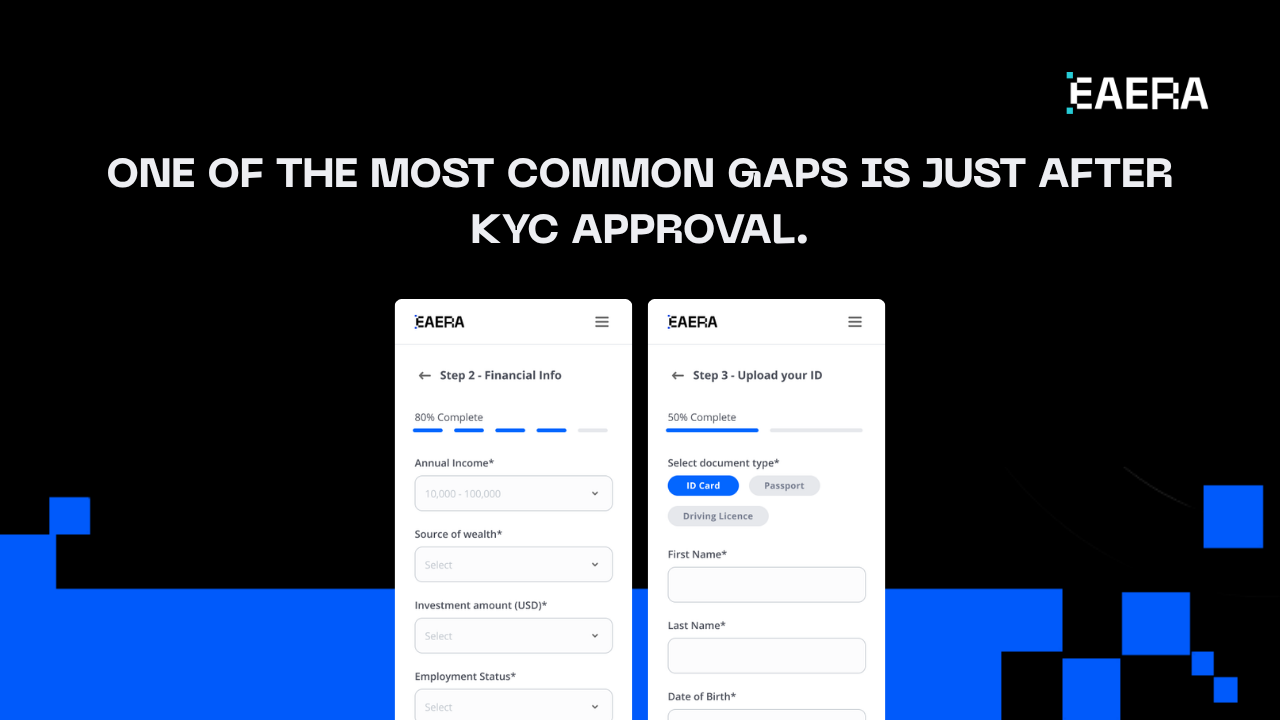
This creates a phase of silent waiting. The broker may view KYC approval as a step forward, but the client may still be unclear on the next steps. Without a structured hand-off, verified clients can be idle for days, and the chances of deposit conversion go down.
A forex CRM system should have KYC approval as a clear workflow trigger. Once a client is approved, the system should build momentum towards funding.
Recommended CRM controls include:
- KYC approval status update
- Automatic sales or activation task
- Client notification or next-step message
- Deposit method visibility
- Follow-up due date
- Responsible owner
- Manager visibility for overdue actions
The value is simple; the team needs to know what to do, when to do it and who owns the client. KYC approval should not be a passive thing. It should be the first step of a controlled workflow for deposit.

Gap 2: Verified Clients Do Not Understand How to Deposit
Some clients are ready to deposit but do not understand the available methods, minimum amount, time for processing, or account funding steps. This creates unnecessary drop-offs, especially for first-time clients or clients in regions where payment options are limited.
A verified client should not receive generic instructions if their available deposit methods depend on region, currency, account type, or wallet setup. The more confusing the funding journey feels, the more likely the client is to delay or abandon the process.
A forex CRM system should help teams guide clients based on status and context. The system should show:
- Client region
- Available payment methods
- Wallet currency
- Deposit eligibility
- Payment instructions sent
- Client communication history
- Previous support questions
- Preferred language or segment
This way, the Sales and Support teams can send more relevant guidance. For example, a client with a USD wallet may require different instructions than a client using a local payment method. A client who once asked about fees should not be getting the same message as a client who has never engaged with payment support.
Gap 3: Payment Attempts Fail Without Follow-Up
A failed deposit isn’t always a lost client. It could be a technical issue, a payment method mismatch, a lack of information, a provider decline or user confusion. If, however, the broker does not see the failed attempts quickly enough, the client may leave before the support can help.
A forex CRM system should connect payment attempt data with client lifecycle status. The CRM should track:
- Deposit attempted
- Deposit failed
- Failure reason
- Payment method used
- Client wallet status
- Support ticket status
- Follow-up owner
- Recovery task
- Successful retry
Strong forex CRM system visibility lets teams distinguish between true loss of interest and recoverable payment friction. If a verified client attempts to deposit and fails, support or sales should receive an alert with context. The team should not wait until the client complains.

Timely follow-up can turn a failed deposit into a completed deposit. It also improves client trust because the broker appears responsive at the exact moment the client needs help.
Gap 4: Wallet Funded but Trading Account Not Ready
Some brokers consider the deposit to be completed when the wallet is replenished. But the real goal, from the client’s perspective, is to get trading. If the funds are in the wallet and do not reach the trading account, the client can still be blocked.
A forex CRM system should connect deposit status with trading account readiness. Key statuses to track include:
- Wallet funded
- Trading account created
- Internal transfer completed
- Trading account funded
- Account type selected
- Account restriction status
- First trade pending
- Activation owner
A verified and funded client should never be without a clear path to trade. If the wallet has funding but no account, then operations should get a setup task. If the account exists and no transfer is made, the system should display the activation gap. If the account is funded but no first trade, then sales or support should get a signal to activate.
And conversion of deposits is better when funding a wallet leads smoothly to a trade-ready status.
Gap 5: No Reporting on KYC-to-Deposit Drop-Off
Broker owners and managers usually know the total KYC approvals and total deposits but not the exact gap between them. Without reporting, teams are blind to whether the problem is slow follow-up, poor deposit guidance, failed payments, poor payment method fit, or activation delays.
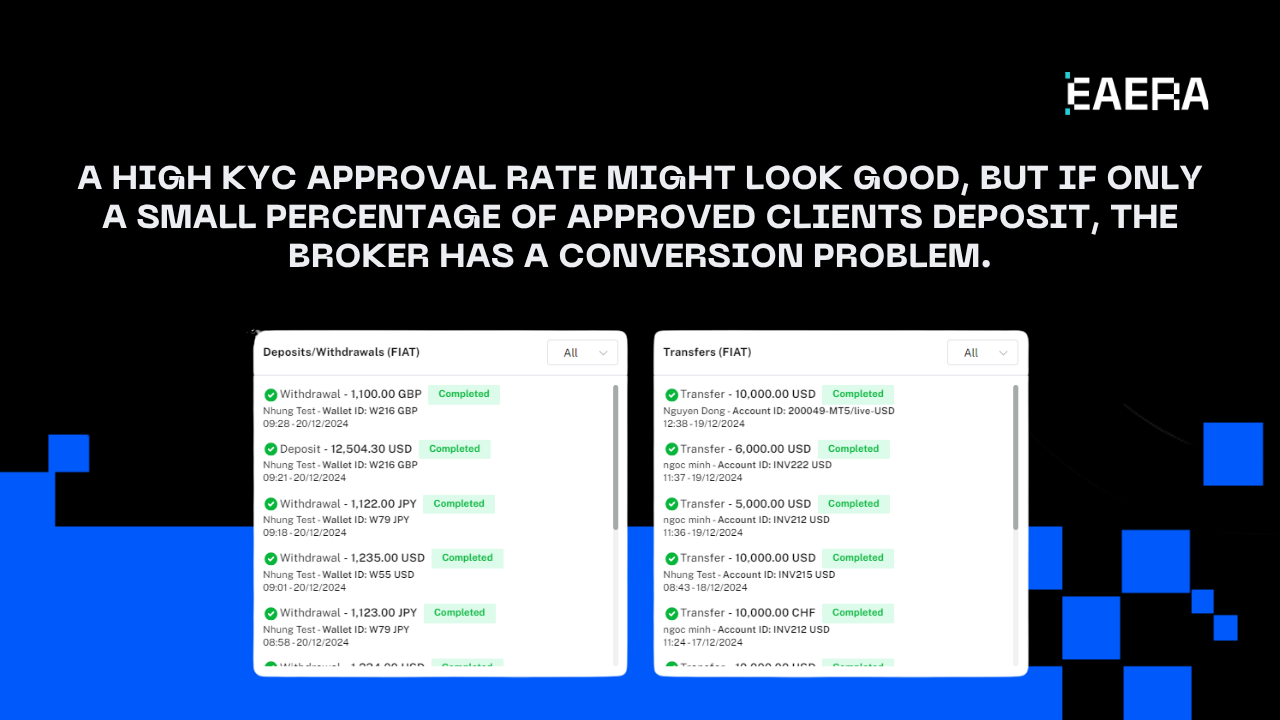
This makes the KYC-to-deposit step hard to optimize. If the broker is only looking at total deposits, the team could miss where verified clients are getting stuck. A high KYC approval rate might look good, but if only a small percentage of approved clients deposit, the broker has a conversion problem.
A forex CRM system should report on:
- KYC approved clients
- KYC-to-deposit conversion rate
- Time from KYC approval to first deposit
- Deposit attempts after KYC approval
- Failed deposit rate
- Failed deposit recovery rate
- Wallet funded but no account funded
- Deposit-to-first-trade conversion
- Owner or team performance
- Drop-off by lead source or region
EAERA speeds up brokers with connected CRM, client portal, back office, funding, trading account workflows, affiliate management, reporting, alerts and automation.
A forex CRM system helps brokers close these gaps with workflow triggers, automated follow-ups, payment alerts, trading account visibility, and funnel reporting.