


Trading contests are frequently seen as promotional tools intended to draw interest and boost participation. Their true worth, though, is in influencing trader behavior. When properly set up, they become settings that reward hard work rather than luck.
Related articles:
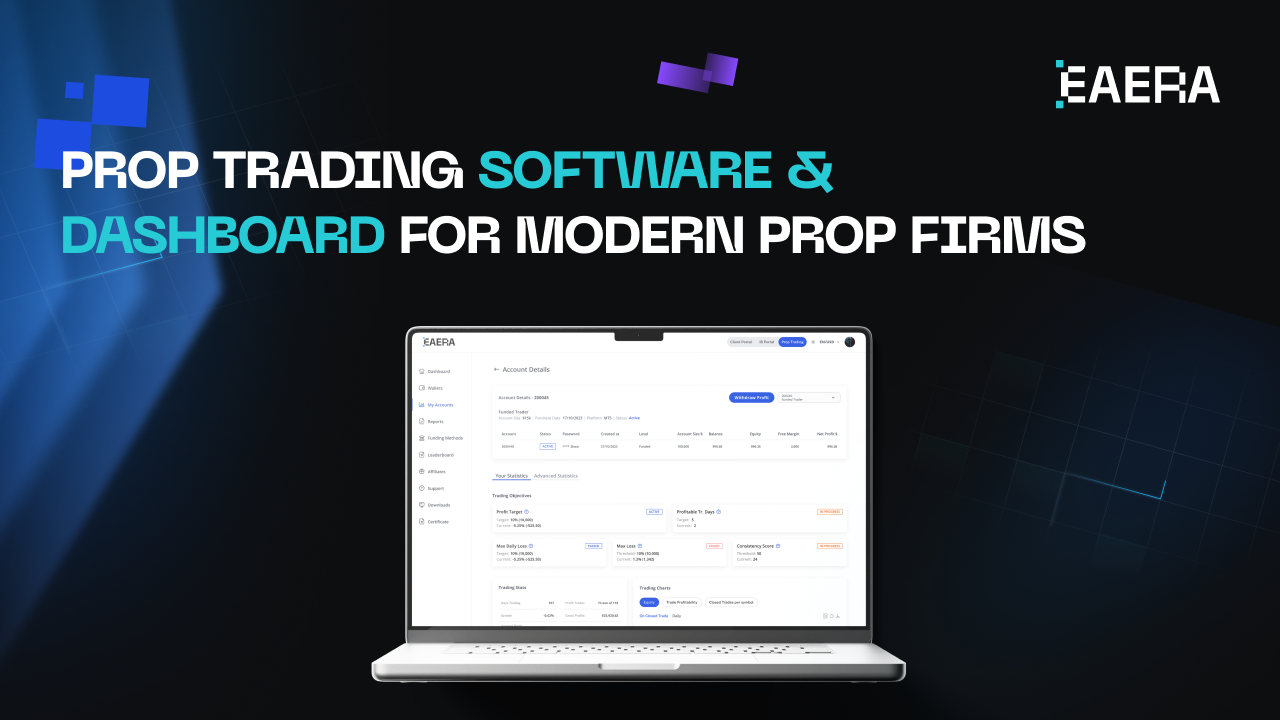
- Prop Firm Software & Dashboard for Modern Prop Firms
- Prop Firm CRM: What are the must-have features?
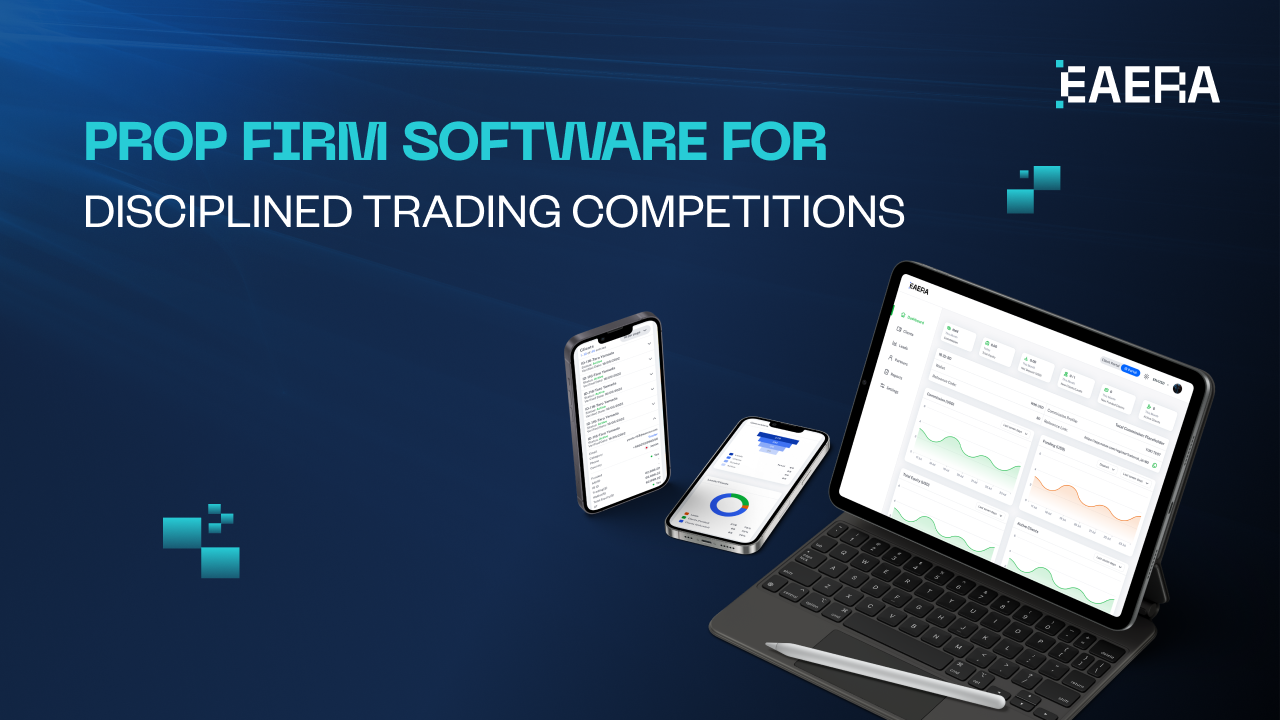
Competitions can control risk, enforce rules, and encourage consistency with the help of contemporary prop firm software. A well-designed system guarantees that only disciplined traders succeed over time, rather than promoting careless trading.
Why Discipline Matters More Than Profit in Trading?
Short-term profit in trading can be deceptive. Excessive risk can yield high returns for a trader, but these gains are rarely sustainable in the absence of discipline. For this reason, long-term success is built on discipline.
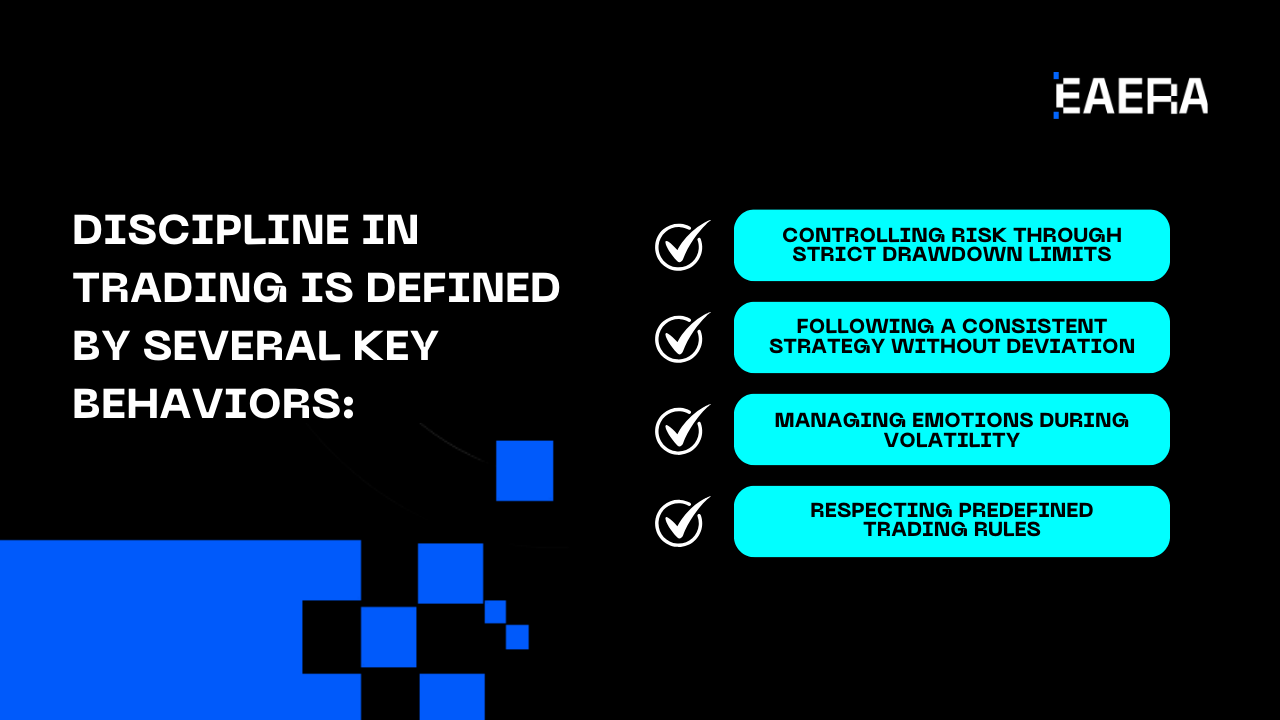
Discipline in trading is defined by several key behaviors:
- Controlling risk through strict drawdown limits
- Following a consistent strategy without deviation
- Managing emotions during volatility
- Respecting predefined trading rules
In the absence of structure, traders frequently put profit ahead of procedure. Overleveraging and uneven performance are frequently the results of this.
Prop firm software becomes crucial in this situation. The system automatically enforces discipline rather than depending on traders to self-regulate. The trading environment is infused with rules that guarantee traders stay within predetermined bounds.
Businesses can change their focus from short-term gains to long-term performance by utilizing prop firm software. Discipline is incorporated into the system and is no longer optional.
How Trading Competitions Shape Trader Behavior?
Trading competitions use incentives to change behavior. How traders behave depends on how competition is structured. Traders are incentivized to take excessive risks to maximize profits in poorly organized competitions. As a result, trading patterns become erratic and unrealistic.
Instead, competitions can be created to encourage disciplined behavior when prop firm software is used.
Competitions shape trader behavior by:
- Setting clear and measurable performance goals
- Encouraging consistent trading rather than one-time gains
- Penalizing violations of risk rules
- Rewarding controlled and stable performance
When the structure is appropriate, traders start to modify their tactics. They place more emphasis on long-term planning, consistency, and risk management.
Real-time enforcement of these regulations is guaranteed by prop firm software. This creates a fair and controlled environment by eliminating ambiguity and preventing manipulation.

Key Features of Prop Firm Software That Support Disciplined Trading
Competitions must be backed by robust system capabilities to reward discipline. Prop firm software is essential in this situation.
Rule Enforcement Engine
Enforcing trading rules automatically is a fundamental feature of prop firm software. This covers position limitations, maximum loss of thresholds, and drawdown limits.
These regulations cannot be circumvented by traders. The system acts instantly when a limit is reached. This removes the need for manual intervention and guarantees consistency.
Real-Time Monitoring
Constant supervision is necessary for discipline. Real-time tracking of trader performance, exposure, and risk levels is made possible by prop firm software.
This allows firms to:
- Detect risky behavior early
- Monitor compliance continuously
- Respond instantly to rule violations
Throughout the competition, discipline is upheld thanks to real-time monitoring.
Leaderboards Based on Risk-Adjusted Metrics
Traders are ranked solely based on profit in traditional competitions. High-risk tactics are encouraged by this.
With prop firm software, leaderboards can incorporate risk-adjusted metrics such as:
- Drawdown levels
- Consistency of returns
- Risk-to-reward ratios
As a result, controlled performance becomes more important than aggressive trading.
Automated Penalties and Disqualification
Manual enforcement is sluggish and uneven. Penalties for breaking the rules are automated by prop firm software.
This includes:
- Immediate disqualification
- Automatic account restrictions
- Loss of eligibility for rewards
Automation eliminates subjectivity and guarantees fairness.
Performance Analytics
Improving discipline requires an understanding of trader behavior. Prop firm software offers in-depth analysis of trading trends.
These insights help firms:
- Identify disciplined traders
- Detect risky behavior trends
- Improve competition design over time
Data-driven analysis improves the system as a whole.
Common Mistakes in Trading Competitions Without Proper Software
Trading competitions frequently yield incorrect results in the absence of structured prop firm software. They promote taking risks rather than rewarding discipline.
Common mistakes include:
- Rewarding traders based solely on profit
- Lack of strict rule enforcement
- Delayed or manual monitoring
- No visibility into real-time performance
- Inconsistent application of penalties
Because of these problems, aggressive traders perform better than disciplined ones. Consequently, competitions fall short of their intended goals. They reward short-term risk-taking rather than identifying proficient traders. By requiring uniformity and openness among all parties, prop firm software resolves these issues.
How to Design Trading Competitions That Reward Discipline?
Creating competitions that work requires a methodical approach. Instead of being left up to interpretation, discipline needs to be incorporated into the system.
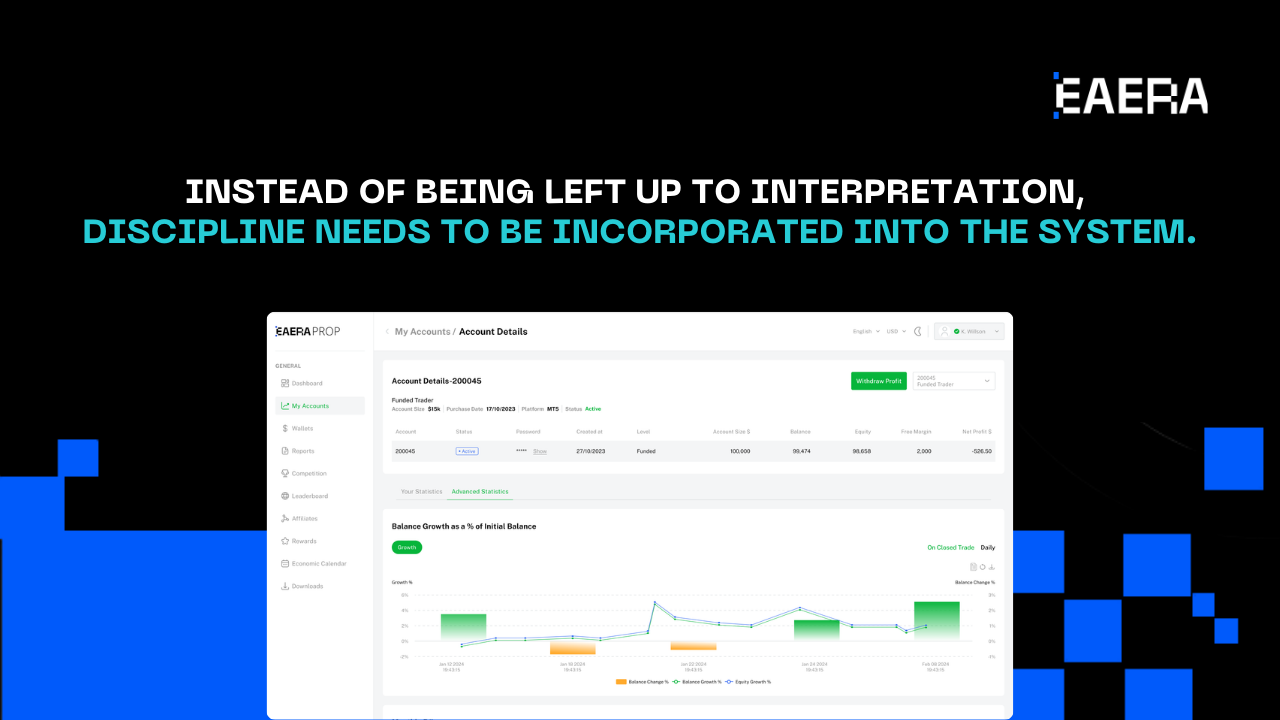
Best practices include:
- Defining strict risk parameters such as drawdown and loss limits
- Using risk-adjusted metrics instead of raw profit
- Automating rule enforcement to ensure consistency
- Providing real-time feedback to traders
- Aligning rewards with long-term performance
These methods can be applied on a large scale with the help of prop firm software. Businesses can create competitions that emphasize discipline while preserving operational efficiency thanks to platforms like EAERA. EAERA assists in converting competitions into organized performance environments by integrating automation, monitoring, and analytics. This strategy makes sure that traders are compensated for long-term actions rather than quick profits.
The Future of Trading Competitions in Prop Firms
Competitions for trading are changing. The emphasis is moving from straightforward gamification to systematic performance assessment.
The future of prop firm software includes:
- AI-driven performance scoring based on behavior and risk
- Predictive analytics to identify high-potential traders
- Adaptive competition rules based on market conditions
- Fully automated competition environments
Competitions will be able to identify disciplined traders more accurately thanks to these developments. This model, in which prop firm software incorporates automation and intelligence into every facet of competition management, is being adopted by platforms like EAERA.
Competitions will become effective tools for trader development and business expansion as technology develops.

Trading contests have the capacity to do more than just draw participants. They become systems that reward consistency and discipline when they are properly designed.
Competitions encourage dangerous behavior when they lack structure. They can control risk, enforce regulations, and identify genuinely proficient traders with the appropriate prop firm software. Businesses that use prop firm software to create disciplined trading environments will have a big advantage in finding and developing long-term talent as the industry changes.
By establishing a more practical and long-lasting route to success, this change also helps traders. Participants form trading habits that are in line with professional standards rather than pursuing quick profits. Prop firm software-powered competitions eventually develop into structured environments for training, screening, and scaling disciplined traders within a prop firm ecosystem, rather than merely evaluation tools.