



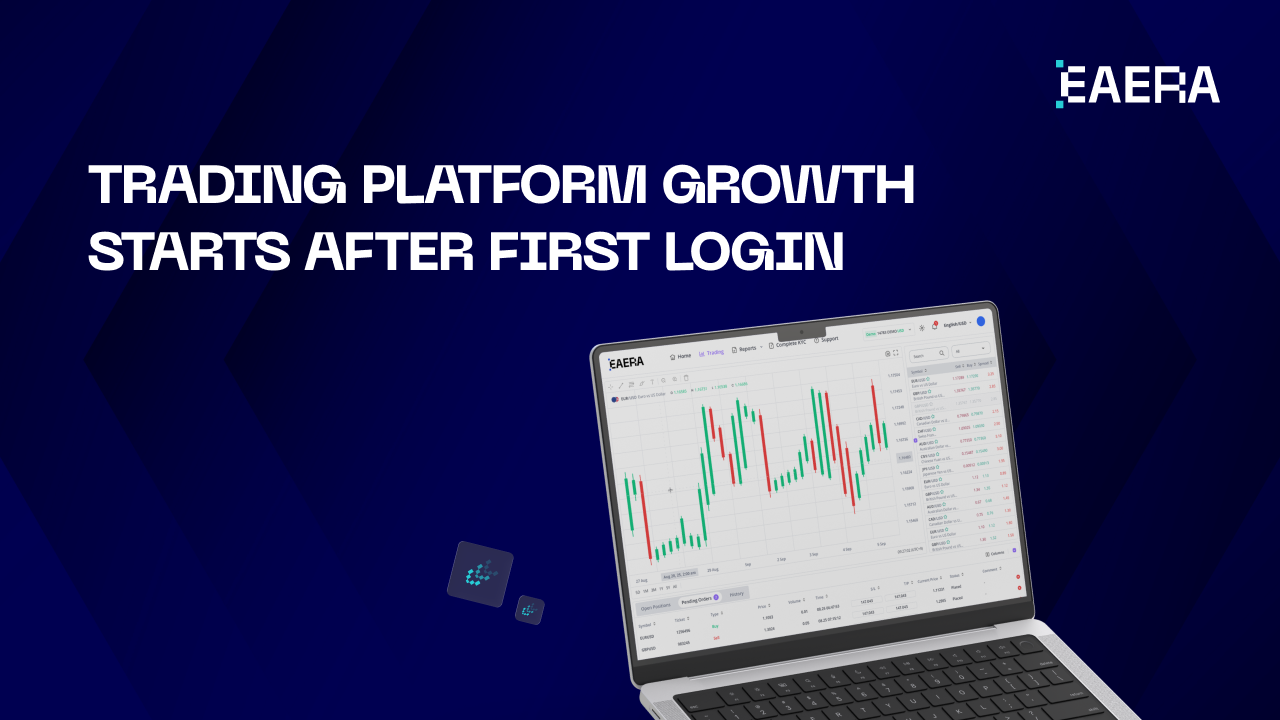
The first login is where trading platform growth truly begins. The user moves from acquisition to the actual product experience. Brokers can check whether the client understands what will happen next, whether funding is clear, whether the account is ready to trade, and whether the platform experience inspires confidence or confusion.
Related articles:
- MT5 Trading Platforms as a solution for Retail Traders
- How a Trading Platform Supports Fast, Reliable Execution?
First login should be the basis for activation, behavior tracking, first trade guidance, and long-term retention with a trading platform.
First Login Turns Acquisition into Product Experience
The first login is the first real test of the broker’s product experience The client has already interacted with marketing, registration, sales communication or onboarding before they log in. When the client logs in, the client gets to experience the real trading environment of the broker.
That’s why this moment matters. Acquisition itself doesn’t create growth. The user might successfully register, but once inside the platform, he might feel lost. They may not understand their status, where to deposit, how to access markets, or what must be completed before trading. If the dashboard is unclear, the funding path is hidden, or account status is confusing; the broker may lose a high-intent client even after successful acquisition.
A trading platform should make the first session answer several practical questions:
- What is my status?
- What should I do next?
- Can I deposit now?
- Is my account ready to trade?
- Where are the markets and tools?
- How do I get support?
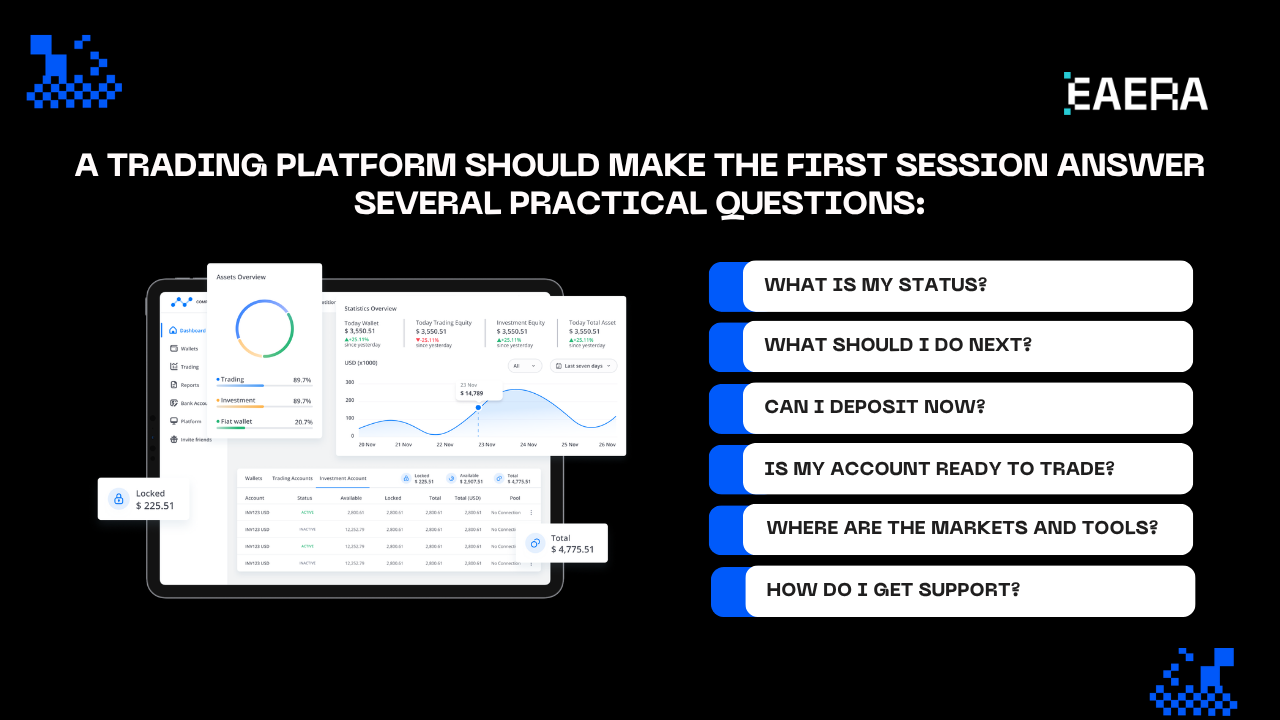
The answers are plainly in sight, and the user feels guided, not abandoned. Thus, the first login should not be treated as a passive entry point. It should be designed as the starting point of the growth journey when the broker starts converting acquired users to the active users of the product.
First Login Creates the First Status-Based Growth Path
Not everybody signing in is at the same stage. Some are in KYC. Some are validated but not funded. Some are funded wallets but no trading accounts. Some are ready to exchange but need a little confidence before making the first order.
A good trading platform will instantly know the status of a user and direct each client differently. Showing the same dashboard to every logged-in user can seem like a simple solution, but it can create unnecessary friction. A pending KYC client does not need the same prompt as a funded client. A trade-ready client does not need the same guidance as someone who has not deposited.
Status-based paths may include:
- Pending KYC → complete verification
- KYC approved → deposit guidance
- Deposit failed → payment support
- Wallet funded → create or fund trading account
- Trading account funded → first-trade guidance
- First trade completed → repeat activity and retention
- Dormant user → reactivation workflow
This is where the first login forms the foundation for growth. This helps the platform to match the user’s status with the next most appropriate action. Instead of users having to search for what to do, the platform can guide them forward.

First login becomes a personalized next step experience and growth becomes better. The more relevant it is to the next step, the more likely the user continues towards funding, trading, and repeat activity.
First Login Builds Funding Confidence
One of the first barriers to growth is funding after logging into account. If payment methods, wallet flow, currency, fees, or processing time are unclear even if a user is ready to deposit, they will be hesitant. If the funding journey is not simple and secure, even verified users might stop before depositing.
A trading platform should use the first login to make funding more understandable. The user shouldn’t be forced to navigate various menus to discover whether they can deposit, what options are available, or where the funds will appear after payment.
Key funding elements to show include:
- Deposit eligibility
- Available payment methods
- Wallet currency
- Minimum deposit
- Processing time
- Failed payment support
- Deposit status
- Wallet balance
- Transfer-to-account guidance
A good trading platform does not wait for the user to look for the instructions for funding. When the user is ready, it should display the funding path. This is especially important for brokers, as funding is where product interest turns into financial commitment.
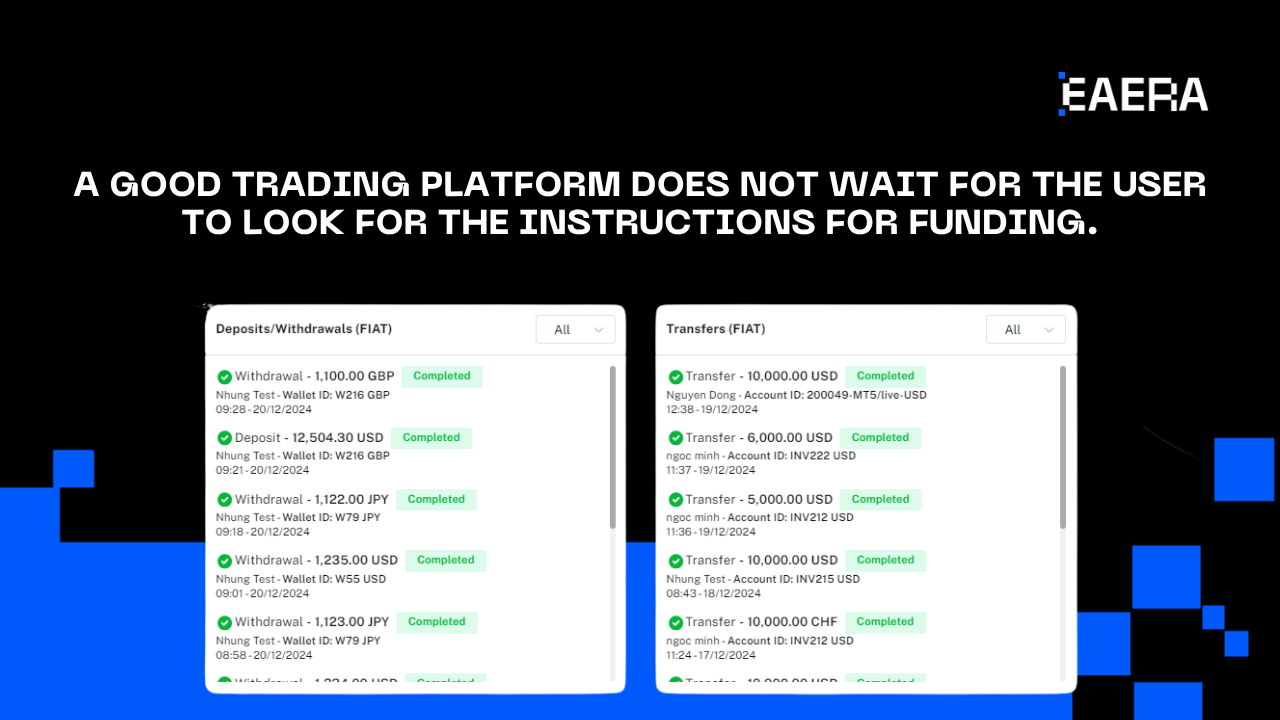
When the funding is more clearly defined, users tend to go ahead. Confusing funding, and even high-intent clients may delay, contact support or leave the journey. The first login is the first opportunity for the broker to convert trust into deposit action.
First Login Sets Up the First Trade Journey
The first trade is often not just a click of buying or selling. Before placing an order, users should be aware of the following: Account readiness Market access Charting Order placement Risk information Position monitoring. If the trading journey isn’t clear to users, they may lose confidence even after funding their account.
The first login should prepare the trader for that first action on a trading platform. The experience should help users get a sense of what’s available and what still needs to be done before trading.
The platform should guide users toward:
- Trading account creation or selection
- Account funding confirmation
- Available instruments
- Watchlists or favorite markets
- Chart and analysis tools
- Order ticket clarity
- Risk and margin information
- Trade confirmation
- Support access
This orientation matters because first-time users need confidence. If they don’t know where to find instruments or how to read account status or where to check positions, they may not place a trade. A clear first login experience minimizes hesitation by clarifying the pathway from account access to first order.
The first trade journey begins before the first order. It starts when the user logs in and sees a clear route from account readiness to market action.
First Login Generates the Data Needed for Retention
First login is also the beginning of tracking behavior. From here, brokers can begin to see what users do inside the platform, where they stop, and what signals indicate interest or friction.
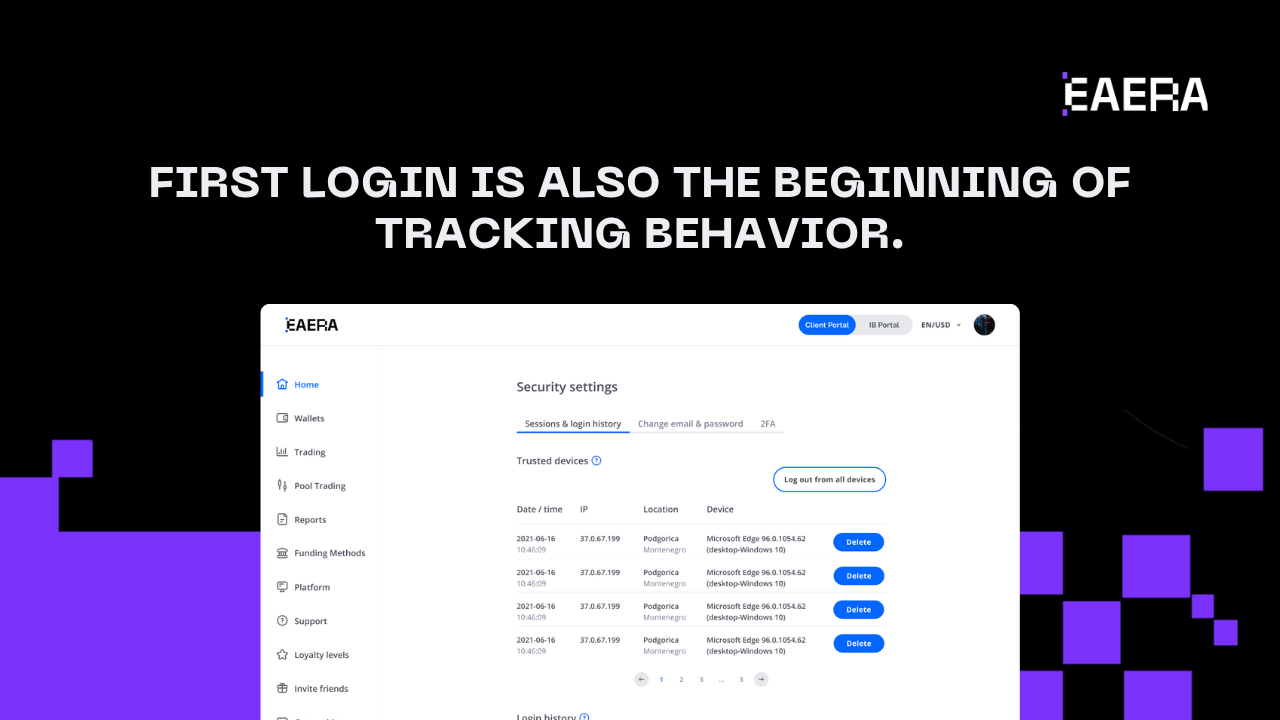
A trading platform should help brokers track behavior signals such as:
- First login date
- Session activity
- Funding page visits
- Deposit attempts
- Failed deposits
- Watchlist creation
- Instrument interest
- First trade date
- Active trading days
- Last login date
- Support interactions
- Dormant status
This data enables brokers to enhance follow-up. A user who visits the deposit page but doesn’t deposit needs a different message than a user who funded an account but never traded. A user who creates a watchlist or browses through several instruments is probably closer to trading than a user who logs in once and leaves.
Behavior-based retention is more effective than generic campaigns. It allows teams to respond to what the user actually did. Teams in sales, support, and retention can identify users with intent, users who are stuck, and users at risk of lapsing into inactivity.
First login is not only product access. It is the starting point for data that supports smarter retention.
A trading platform supports growth when it uses first login to guide action, collect behavior data, and trigger retention workflows.