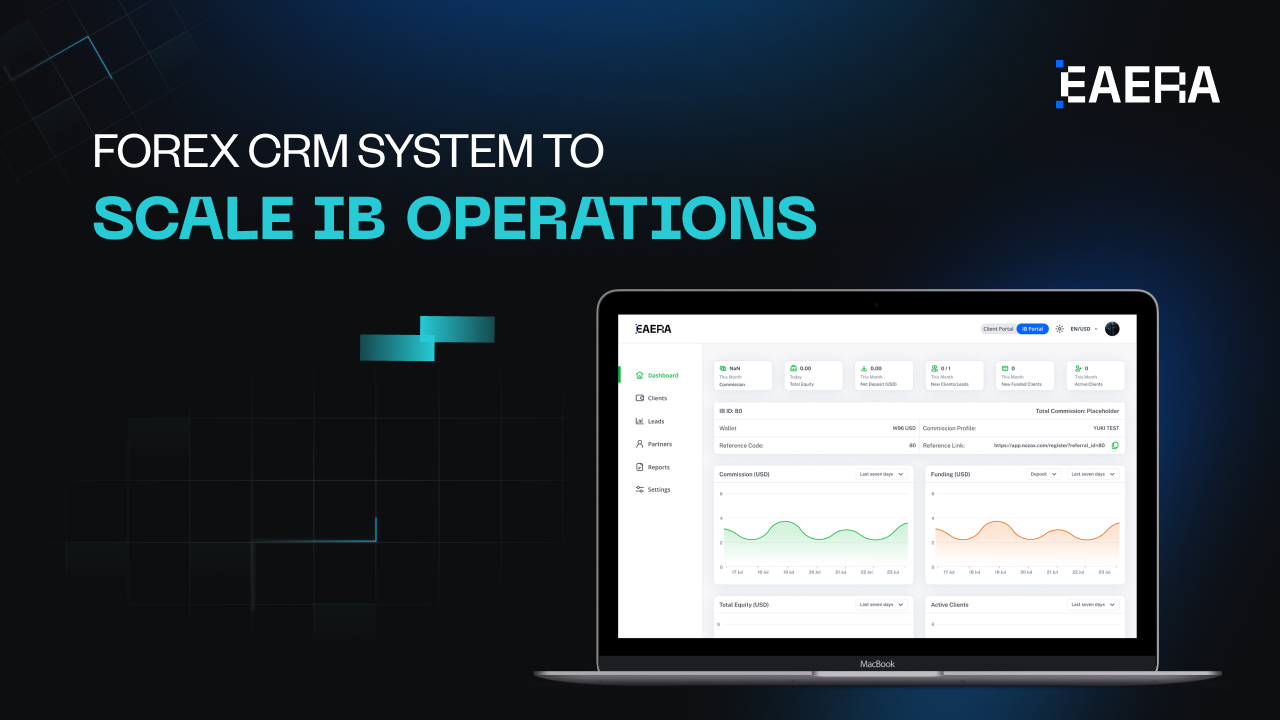




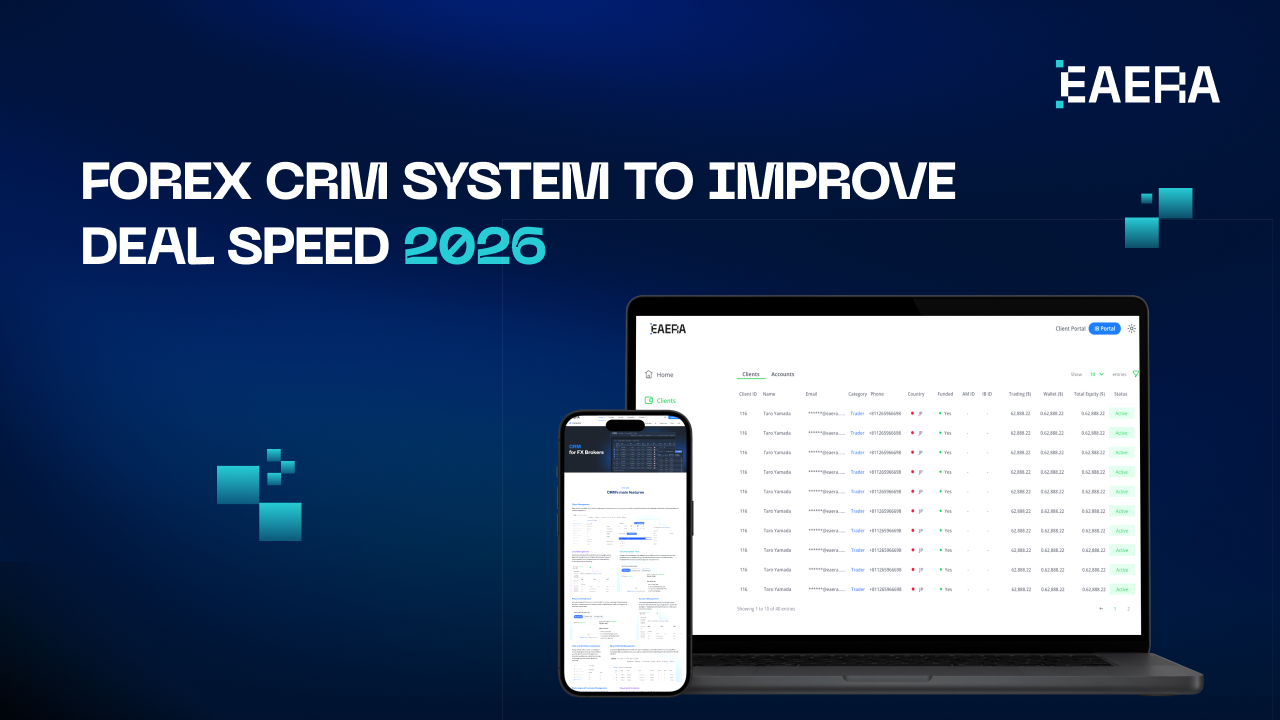
Deal speed becomes a key performance metric for forex brokers in 2026. But it’s no longer as simple as how quickly a sales team can reach out to a new lead. It’s about how fast a broker can move a prospect from interest to registration, verification, funding, trading activation, and retention.
Related articles:
- Forex CRM Software: 7 Key Characteristics That Deliver Results
- Prop Firm CRM: 5 Systems Built for Funded Challenges
A strong Forex CRM system helps brokers avoid delays in sales, compliance, payment, operations, and reporting. Instead of juggling each stage separately, brokers can use one connected workflow to move clients toward revenue-driving actions more quickly.
What Deal Speed Means for Forex Brokers?
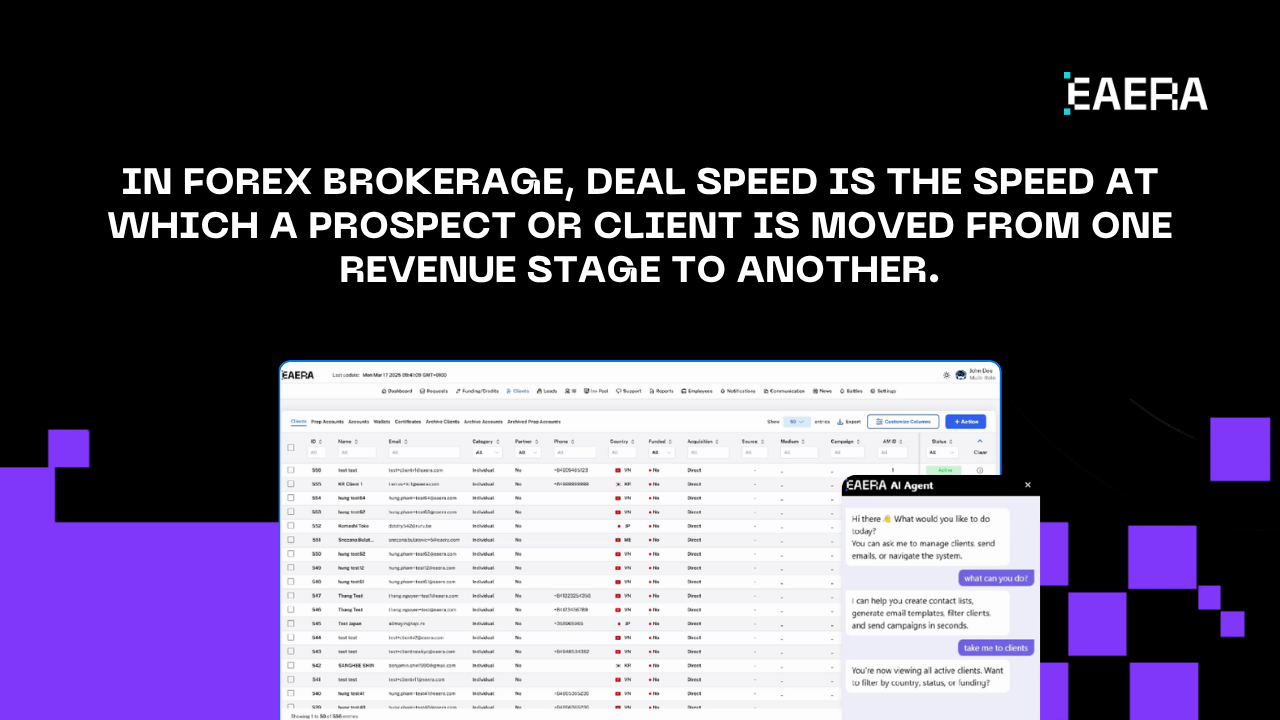
In forex brokerage, deal speed is the speed at which a prospect or client is moved from one revenue stage to another. In traditional sales, a deal is considered closed when a client agrees to buy. In forex, the deal is not truly valuable until the client is verified, funded, and ready to trade.
A forex CRM system improves deal speed by helping brokers reduce friction across the full client journey. This journey usually includes:
- Lead captured
- Lead contacted
- Client registered
- KYC submitted
- KYC approved
- Trading account created
- First deposit completed
- First trade placed
- Client retained or reactivated
A quick lead response definitely helps, but if KYC takes too long, it won’t make money. Verified clients are great but only if the deposit process is crystal clear. A funded account is promising but still incomplete if the client never does the first trade.
Where Forex Deals Slow Down Most Often?
When teams, systems, and data are disconnected, forex deals tend to slow down. A lead enters the system quickly but then gets stuck because assignment is manual, KYC status is unclear, attempts to deposit aren’t tracked, or managers can’t see where the pipeline is blocked.
Common deal-speed bottlenecks include:
- Leads are not assigned immediately.
- Sales teams lack context for follow-up.
- KYC status is unclear or outdated.
- Missing documents are not followed up.
- Failed deposits do not trigger timely action.
- Trading account creation is delayed.
- Funded clients are not activated properly.
- Managers cannot identify where clients are stuck.
A good forex CRM system should make these bottlenecks apparent. It should show who is in the queue, what needs to be done, who has the next action, and how long each stage has been pending.

How a Forex CRM System Speeds Up Lead-to-Client Conversion?
Lead handling is the first big deal-speed layer. Brokers miss out on opportunities when leads are taken but not assigned in a timely manner.
A modern forex CRM system should be able to capture leads automatically from website forms, landing pages, paid campaigns, referral links, partner portals, and other acquisition sources. Once leads are captured, the system should direct them to the appropriate sales owner based on rules such as region, language, source of campaign, product interest, client type, or team capacity.
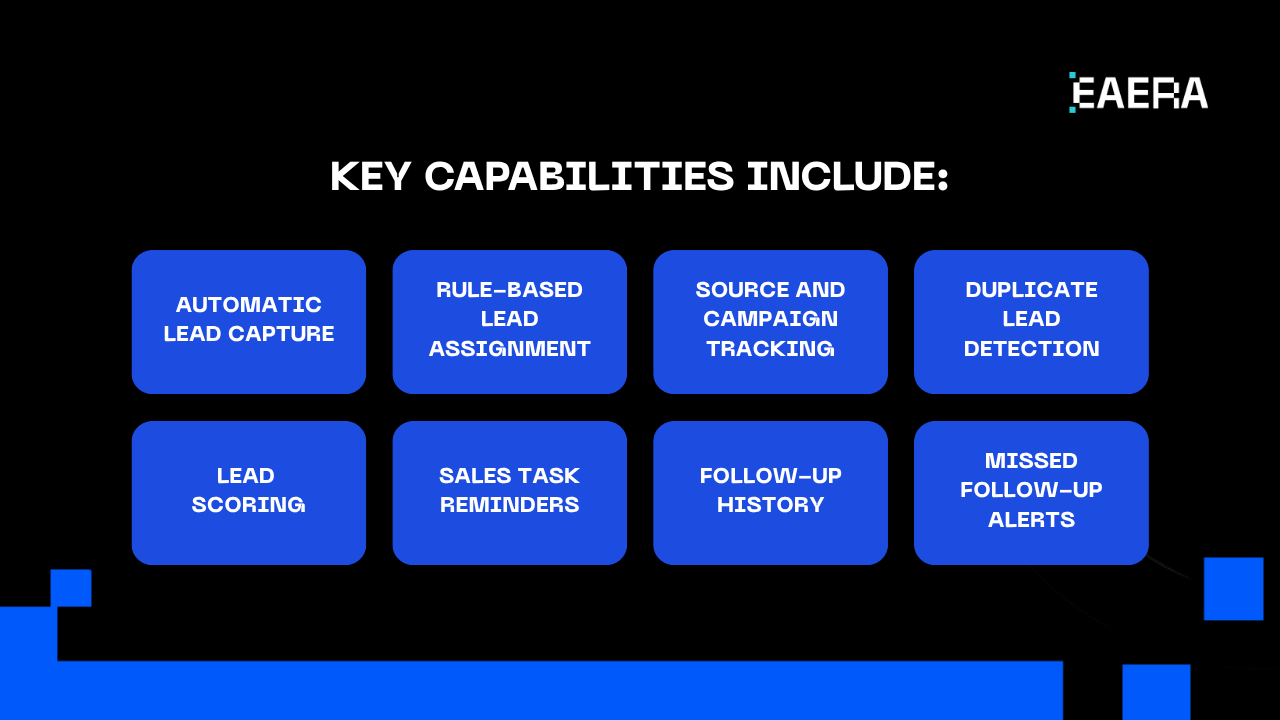
Key capabilities include:
- Automatic lead capture
- Rule-based lead assignment
- Source and campaign tracking
- Duplicate lead detection
- Lead scoring
- Sales task reminders
- Follow-up history
- Missed follow-up alerts
Speed matters, but context matters. Sales teams want to know where the lead came from, what the client is interested in, if a partner referred to the lead, and what has already been done.
This is where speed and quality get better with CRM. The goal is to achieve a faster, more relevant follow-up that leads the client to registration and onboarding.
How CRM Reduces Onboarding, KYC, and Funding Delays?
The next hurdle to speedier deals is onboarding once a client signs up. This is where many brokers run out of steam.
A good forex CRM solution should allow you to see onboarding progress and automate actions when clients get stuck. Deal speed is not synonymous with weaker compliance. This should lead to better workflows, less manual handoffs, and quicker controlled approvals.
Important onboarding and KYC capabilities include:
- KYC progress tracking
- Document upload management
- Missing document reminders
- Approval queue visibility
- Compliance notes
- Risk-based verification workflows
- Audit history
Money is equally important because a registered client does not produce money until they deposit and are ready to trade.
Platforms like EAERA are brokerage-centric, trying to bring onboarding, KYC, funding and client management into one workflow, instead of having to use different tools for each.
How Real-Time Client Signals Help Teams Take the Next Best Action?
When teams know which client needs action and why, the speed to deal improves. Sales and retention teams, without real-time signals, often working off generic follow-up lists.
An effective forex CRM system should enable teams to identify client intentions, stalled progress and revenue opportunities from real-time activity.
Useful client signals include:
- Registered but did not submit KYC
- KYC submitted but pending review
- KYC approved but no deposit
- Deposit attempted but failed
- Funded but no first trade
- Active client became inactive
- High-volume client needs retention support
- Partner-referred client needs attribution review
These signals allow teams to transition from reactive communication to proactive revenue management. Instead of asking each client the same question, teams can take the next best action based on where the client is on their journey.
This makes the CRM more than just a database. It becomes a working layer for sales, retention, client success, and partner management.
How Reporting and Automation Improve Deal-Speed Control?
If brokers can’t measure where deals are slowing, they can’t improve deal speed. Reporting allows managers to see into pipeline friction and automation helps keep the workflow moving without relying solely on manual coordination.
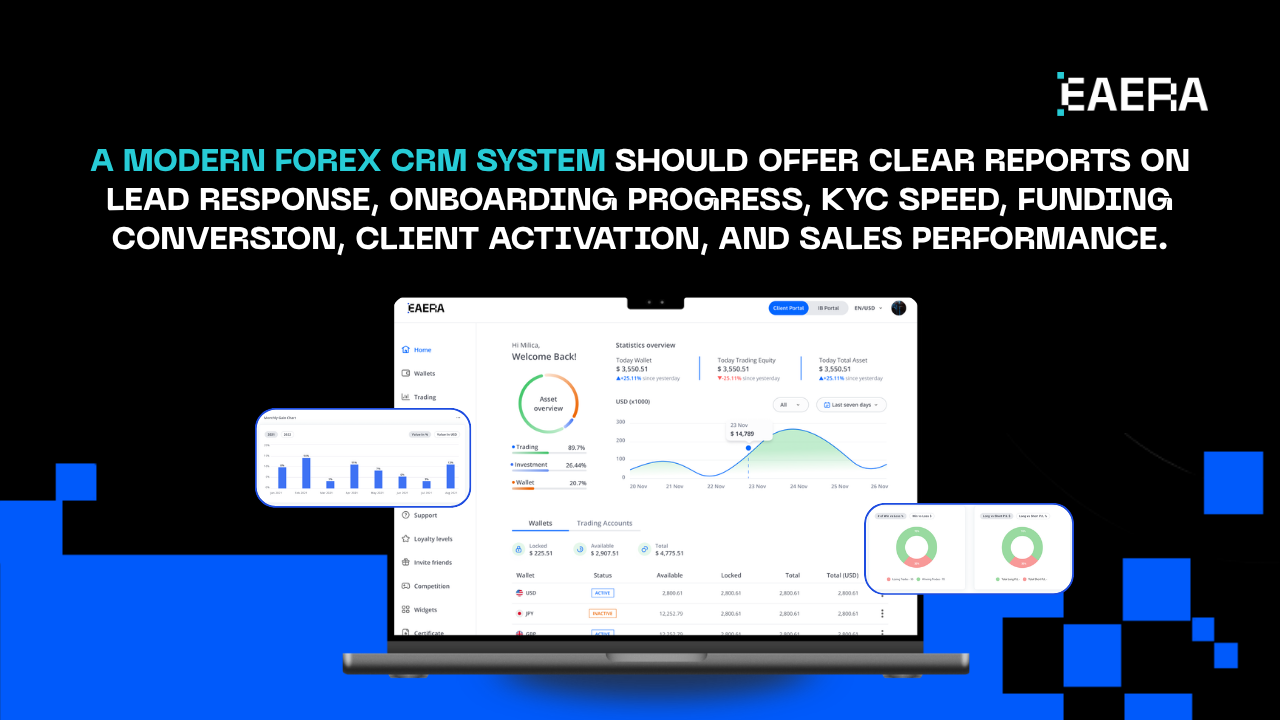
A modern forex CRM system should offer clear reports on lead response, onboarding progress, KYC speed, funding conversion, client activation, and sales performance.
Important deal-speed metrics include:
- Lead response time
- Lead-to-registration conversion
- Registration-to-KYC submission rate
- KYC approval time
- KYC-to-deposit conversion
- First deposit conversion
- Funded-to-first-trade conversion
- Pipeline aging by stage
- Sales performance by owner
- Lost lead reasons
Then automation needs to take those insights and translate them into action. Your CRM can automatically assign new leads, create follow-up tasks, send KYC reminders, alert finance to payment issues, notify sales on successful deposits, escalate high-value clients and trigger reactivation workflows.
This is where operational scale comes in. If each step depends on an individual remembering to look at a report, the pace of handling eventually breaks. To be successful, a broker must have workflows that keep the pipeline moving at a regular clip.