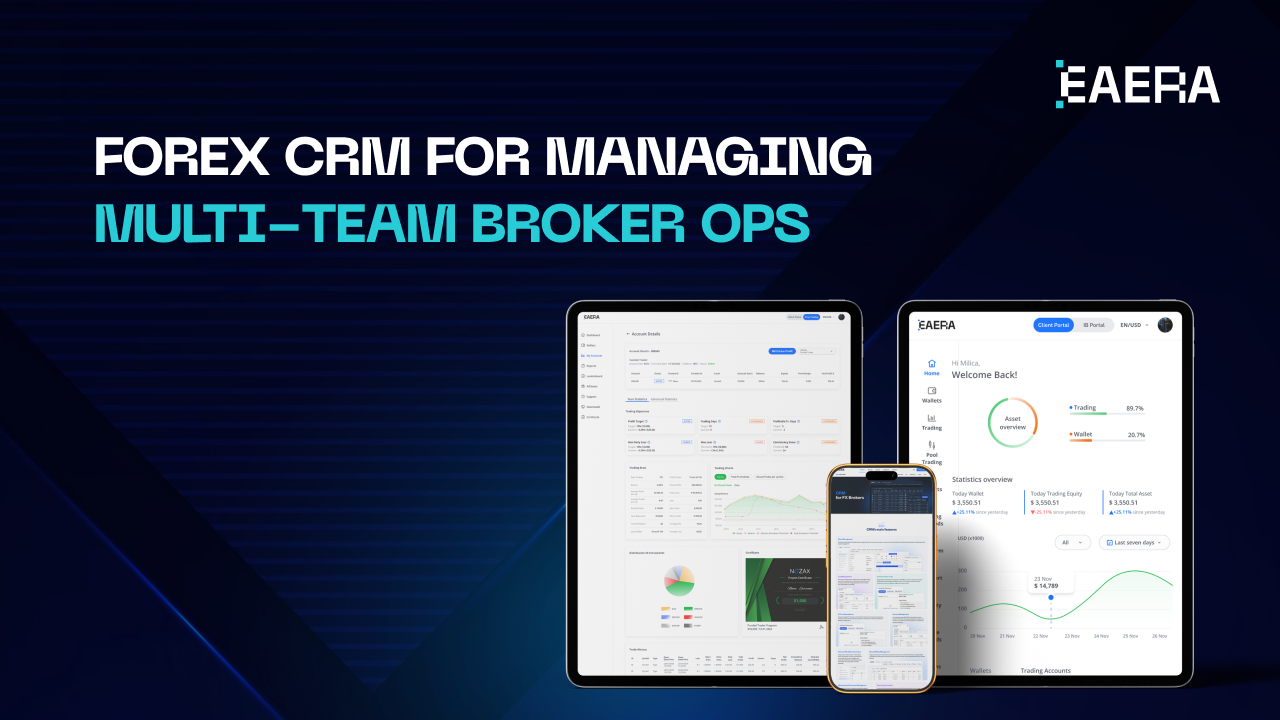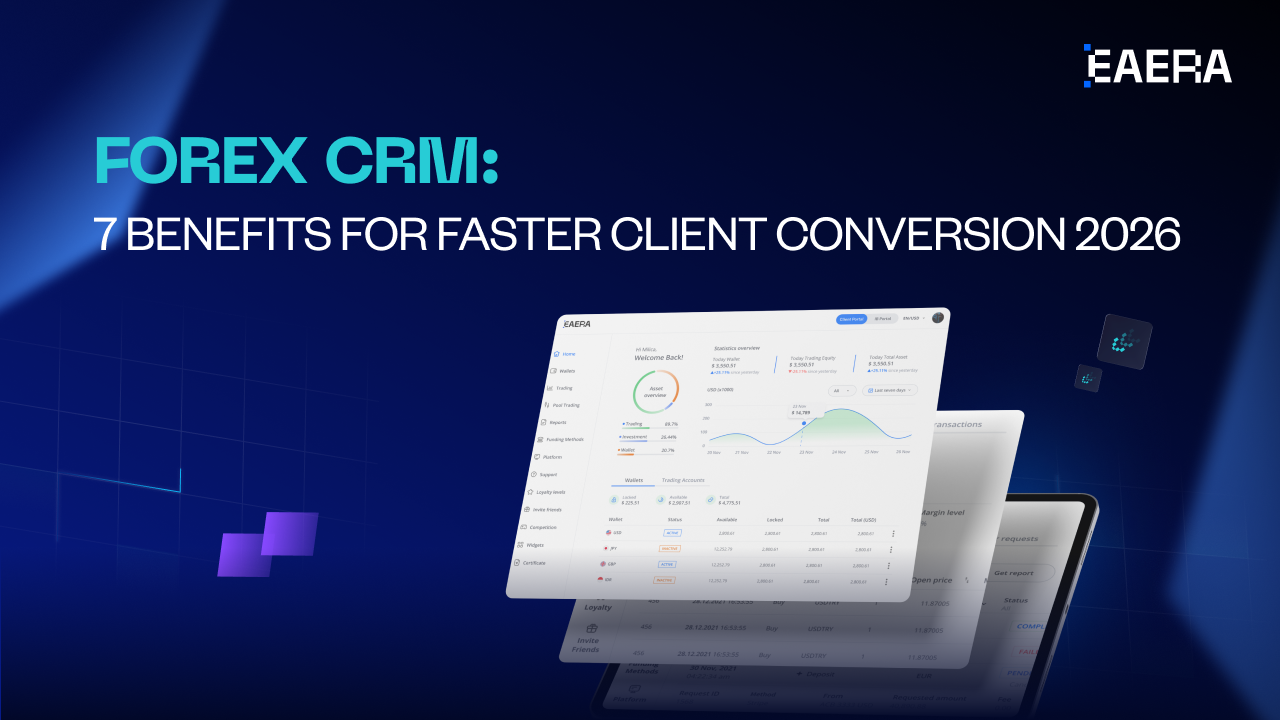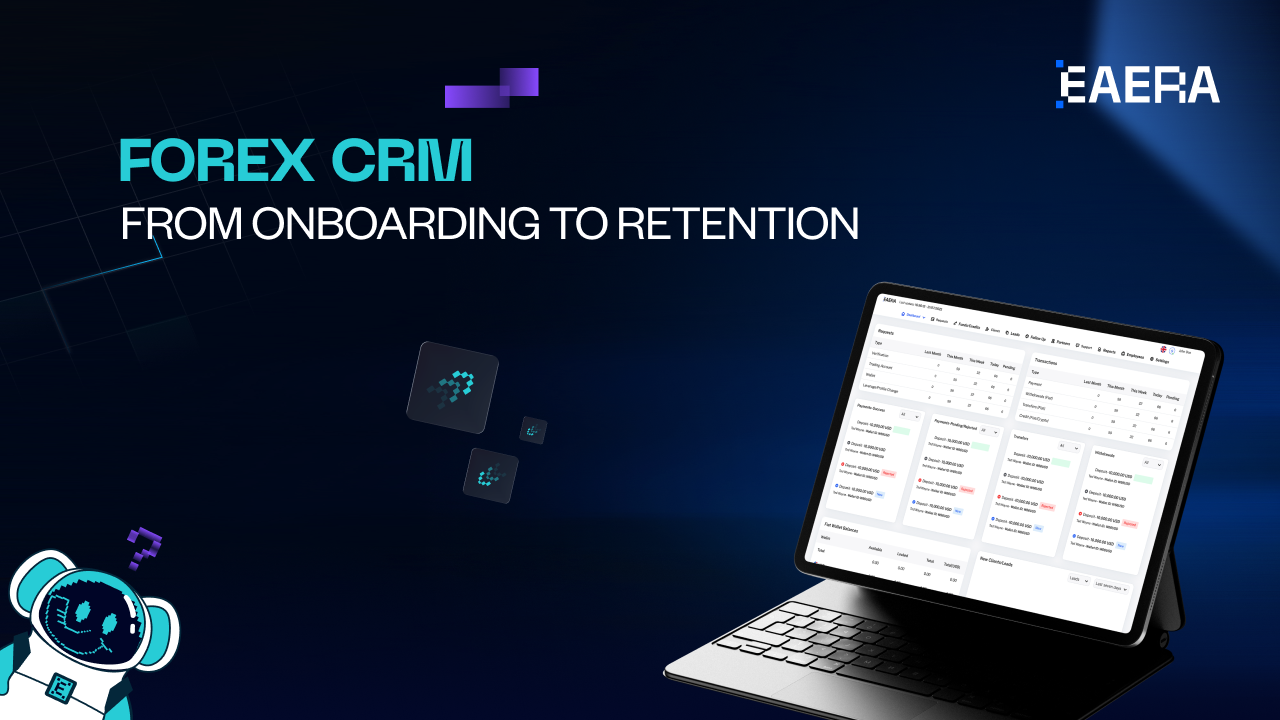





A forex CRM helps UK brokers improve sales and retention by connecting lead follow-up, onboarding, KYC, payment visibility, trading activity and client segmentation and reporting in one workflow.
Related articles:
- Forex CRM System to Scale IB Operations
- Unlock Your Brokerage Potential: Top Forex CRM Solutions Revealed!
Brokers in the UK are operating in a competitive and highly regulated CFD environment, where slow response, poor client visibility, unclear communication and weak retention timing can turn into lost revenue and compliance risk.
UK Forex and CFD Market Context in 2026
UK brokers work in one of the world’s most mature financial markets. The market has strong digital trading adoption, active retail participation, and stringent regulatory expectations. That is an opportunity and a burden.
UK traders have lots of platform options. They can easily compare brokers and switch providers with low friction and expect a seamless digital experience from first contact to account activation. This means brokers cannot rely only on brand awareness, pricing, or product range. They also need strong operational execution.
Regulatory environment is important, too. The FCA regulates financial services firms and financial markets in the UK; it sets the standards that firms need to meet and holds them to account. The FCA announced the permanent restrictions for retail CFD products including restrictions on leverage, margin close out rules, negative balance protection and restrictions on monetary and non-monetary inducements to encourage trading.
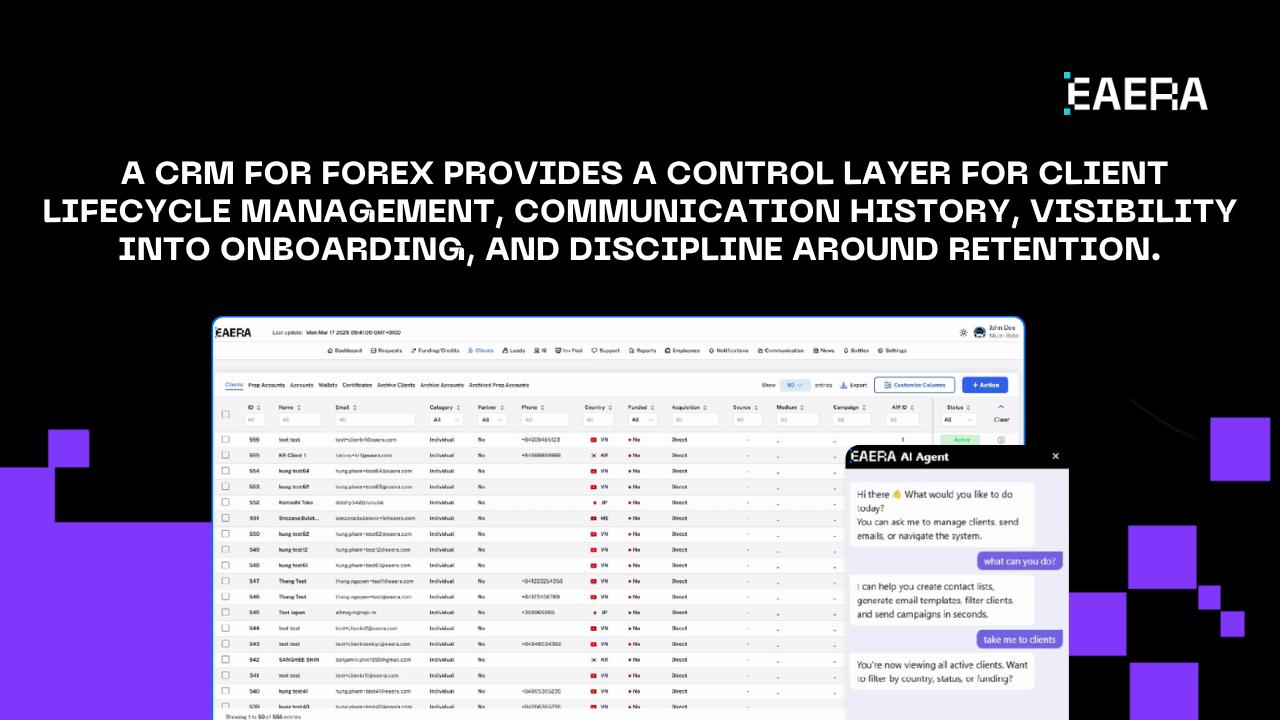
These are the rules that brokers need to follow to manage communication, sales follow-up, onboarding, and retention. In this environment, a CRM for forex is not only a sales database. It provides a control layer for client lifecycle management, communication history, visibility into onboarding, and discipline around retention.
The Hardships UK Brokers Face in Sales and Retention
UK brokers are facing two problems at once: they need to grow efficiently, but they also need to look after clients carefully in a regulated environment.
Speed is what sales teams need, but not at the cost of bad communication. Engagement is what retention teams need, but engagement can’t be built on vague incentives or aggressive pressure. While operations teams need efficiency, the client journey must remain transparent and properly documented.
Common hardships include:
- High competition for qualified traders
- Expensive acquisition channels
- Fast lead drop-off if follow-up is slow
- Strict expectations around client communication
- KYC and onboarding friction
- Failed deposit recovery gaps
- Low visibility into client trading behavior
- Inactive clients not flagged early
- Generic retention campaigns
- Poor reporting across lifecycle stages
The FCA’s Consumer Duty sets higher standards of consumer protection and clearer standards of consumer protection and requires firms to put customers’ needs first. In 2025, the FCA issued a review of price and value practices in the CFD industry and said that CFD firms must ensure the price a consumer pays are reasonable in relation to the overall benefits they can reasonably expect to receive.
This poses a clear operational challenge: UK brokers cannot afford siloed sales workflows, generic communications or delayed reporting. A forex CRM should help brokers respond faster, communicate more clearly, and manage client journeys with stronger evidence and control.
Faster Lead Follow-Up and Cleaner Onboarding
Win 1: Faster Lead Follow-Up
Speed is the first win for a broker. Sales should be automatically assigned when a prospect registers, submits an inquiry, downloads material, or begins onboarding.
A forex CRM should support:
- Auto-assignment by source, region, language, or workload
- Sales ownership visibility
- Follow-up reminders
- Lead source tracking
- Overdue task alerts
- Manager dashboards
A quick follow-up helps prevent good leads from going cold. In the competitive UK market, a slow response means the client has moved to a different broker.
The forex CRM should help sales teams understand who the lead is, where they came from, what they have done, and what action should happen next. That context changes follow-up from a cold sales push to a relevant client conversation.
Win 2: Cleaner Onboarding
The second win is clarity around onboarding. The next step is not clear, and the client may register but not complete KYC or funding.
A CRM should show:
- Registration status
- KYC status
- Missing documents
- Approval or rejection reason
- Client notification history
- Internal review stage
Operational discipline includes client communication and evidence-based workflows. An effective forex CRM allows teams to identify whether a client is new, pending verification, approved, blocked, funded or ready for trading activation.
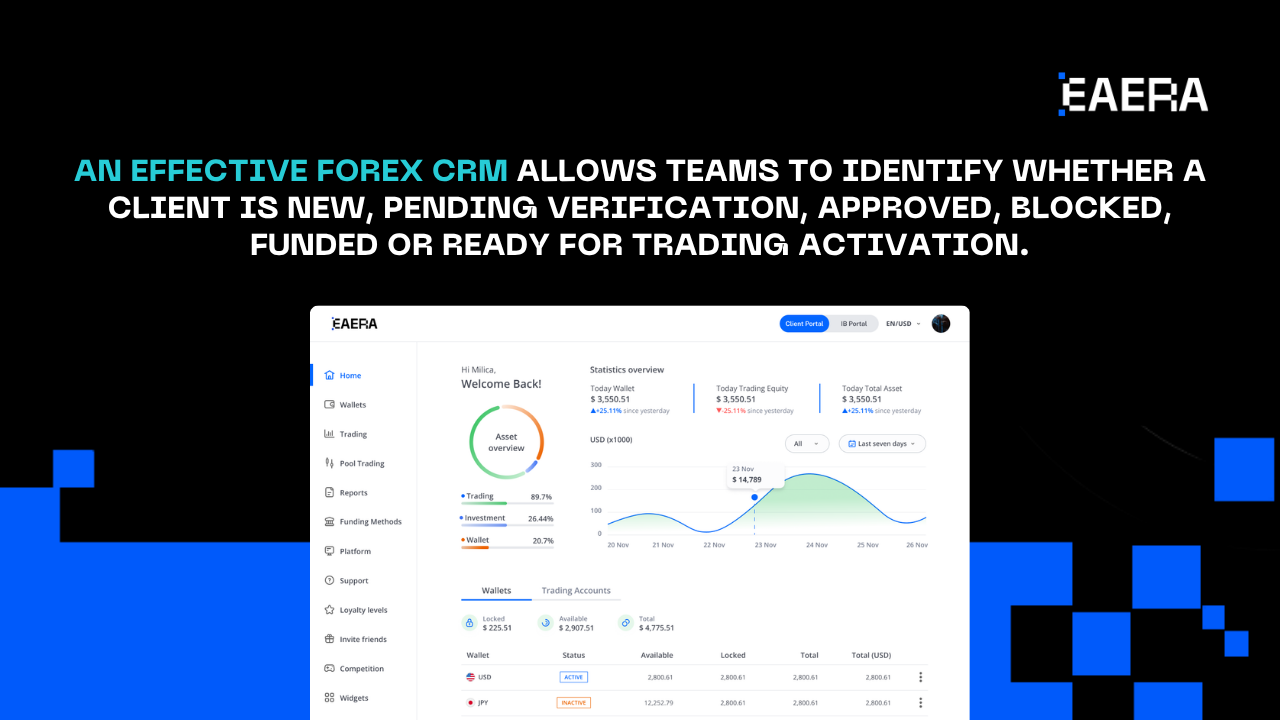
It’s not only about onboarding more quickly. The goal is to lose clients between registration and first funded accounts.
Better Funding Recovery and Trading Activation
Win 3: Better Funding Recovery
Funding is one of the most critical conversion points. A verified client making a deposit has a lot of intent. The payment does not go through, and there is no follow up – the broker misses a high-value opportunity.
A forex CRM should give teams visibility into:
- Deposit status
- Failed transactions
- Withdrawal requests
- Wallet activity
- Funding source
- Payment method
- Finance approval workflow
Failed deposit alerts allow sales or support teams to follow up quickly and help clients complete funding through the right channel. This should not be handled manually through scattered finance reports.
A failed payment is not just a transactional problem. It is a life cycle signal. The client was ready to act, and the broker needs to act before intent diminishes.
Win 4: Faster Trading Activation
A funded client is not fully activated until they begin trading. The broker needs to know whether the customer has an active trading account, the type of account the customer selected, whether login details have been sent to the customer, and whether the customer has started using the platform.
A CRM should connect:
- Trading account creation
- Account status
- Account type
- Platform connection
- Balance and equity visibility
- First trade tracking
- Activity segmentation
A UK broker needs a forex CRM to transition clients from funded to trading activation without losing sight of payment, account setup and platform use.
Here is where many brokers leak revenue. They close the client, validate the client, secure the first deposit, but they don’t take the client to active platform use.
Smarter Retention and Stronger Reporting
Win 5: Smarter Retention
Retention is not only about sending campaigns. It is about timing and relevance.
A forex CRM should help retention teams identify:
- Clients who stop trading
- Clients with lower deposit activity
- Clients with reduced login activity
- High-value clients requiring personal follow-up
- Recently funded clients who have not traded
- Dormant clients who may respond to reactivation
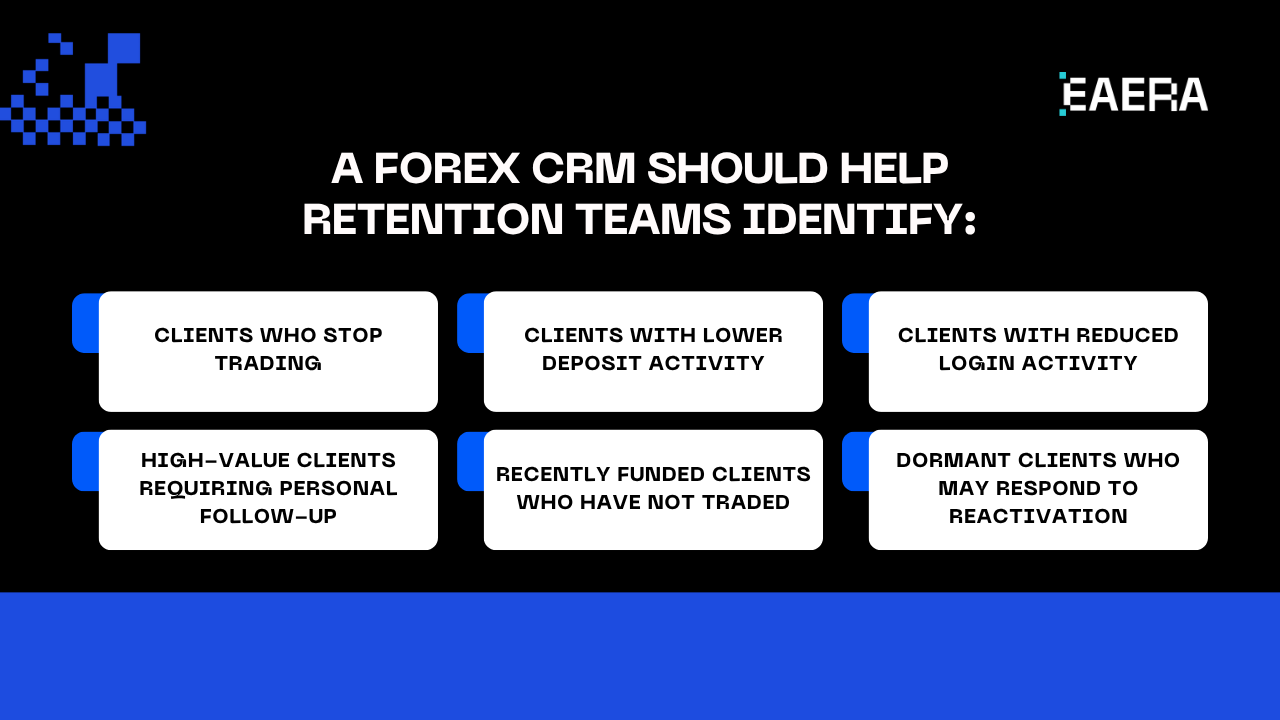
In a mature market, generic campaigns are not very effective. UK brokers want segmentation by behaviour, lifecycle stage, product interest and account activity.
The forex CRM should include inactivity alerts, client segmentation, lifecycle tags, reactivation workflows, communication history, and campaign performance tracking.
When retention is smarter, teams take action before the client is fully disengaged. This also means that communication can be more relevant, more controlled, and properly documented.
Win 6: Stronger Reporting
Reporting is the basis for improving sales and retention. When management can’t see where clients fall off, the teams can’t fix the problem.
A forex CRM should report on:
- Lead response time
- Lead-to-registration conversion
- Registration-to-KYC completion
- KYC-to-deposit conversion
- Deposit-to-first-trade activation
- Active versus inactive clients
- Retention campaign performance
- Revenue by source or segment
EAERA supports broker operations with connected CRM, client portal, back office, funding, affiliate management, reporting, alerts and workflow automation.
The most value for forex CRM is when sales, onboarding, funding, trading activity and retention data are combined into one operating view.
By 2026, brokers in the UK should be looking at CRM systems that integrate commercial workflows with operational control, rather than simply storing client records.