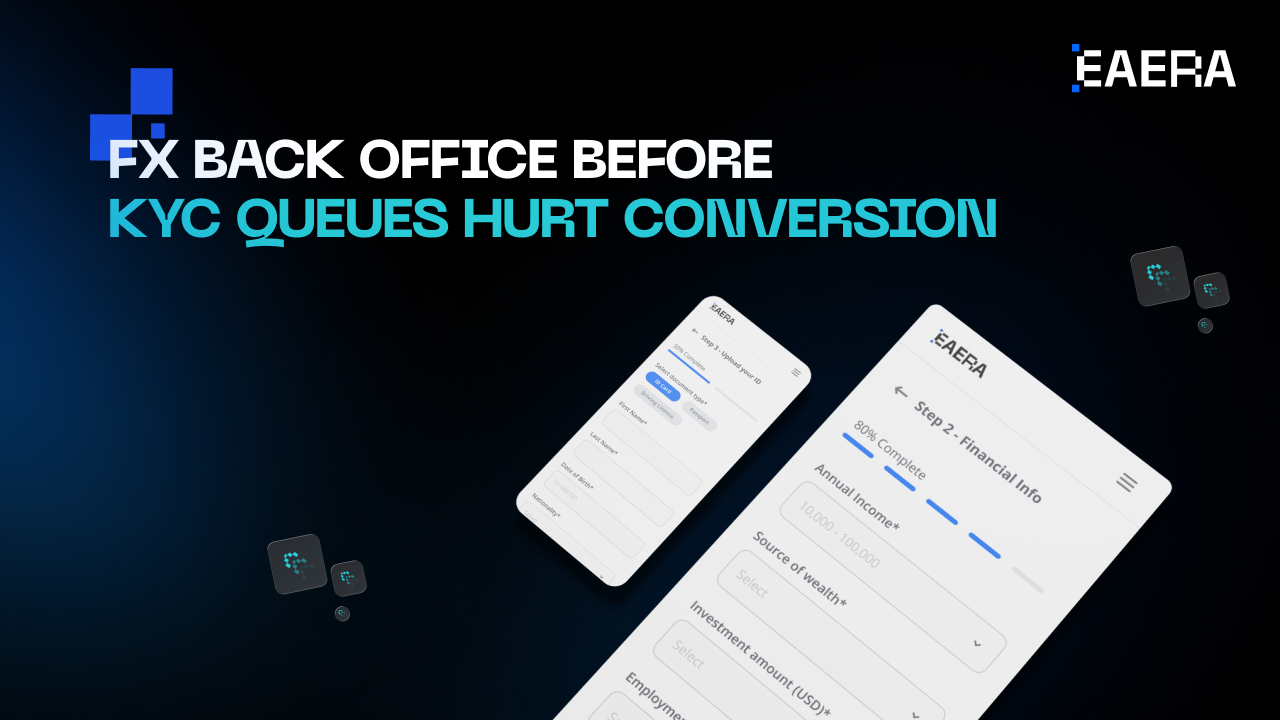




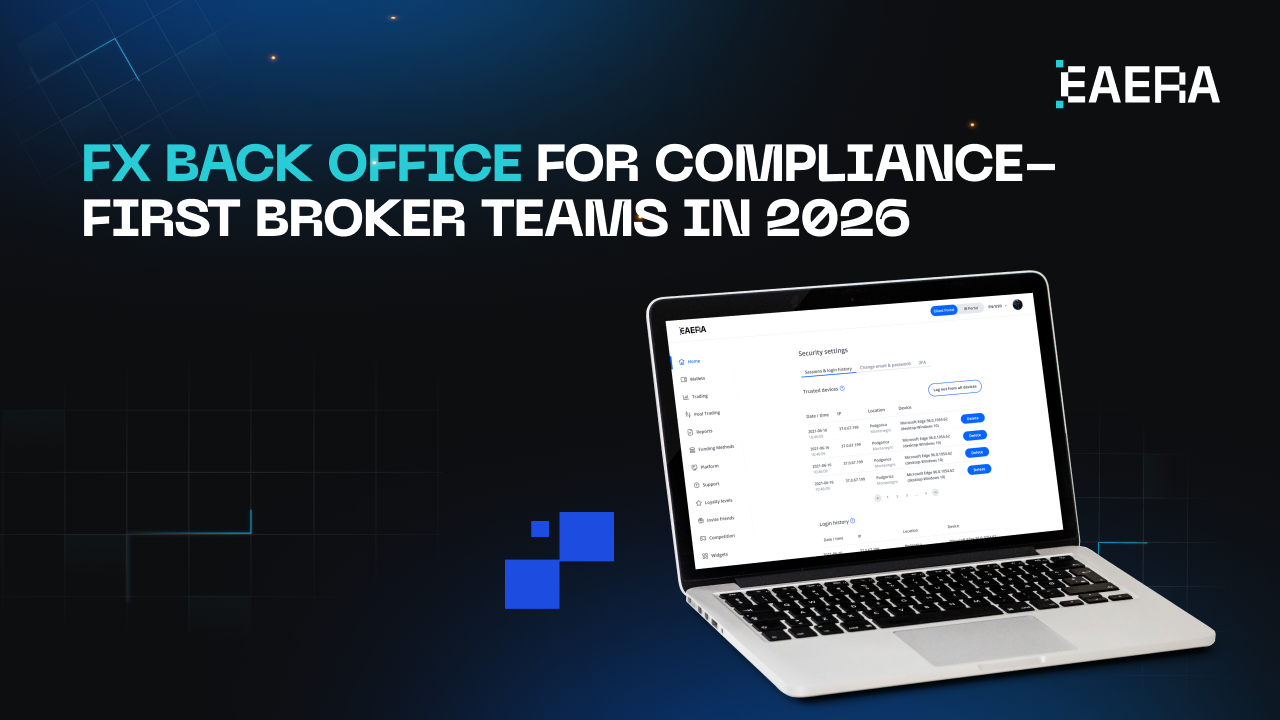
An FX back office enables compliance-first broker teams to manage client verification, account approvals, permissions, transactions, trading account controls, audit trails and operational reporting in a single controlled environment.
Related articles:
In 2026, brokers want more than fast onboarding and payment processing. They need systems that provide visibility, reviewability, and auditability of client activity.
Why Compliance-First Broker Teams Need Stronger Back-Office Control?
Forex and CFD brokers are working in an environment of high scrutiny where client onboarding, account activity, payment flows, and the actions of internal teams need to be properly controlled. Compliance is more than just a legal department. It’s part of the day-to-day operations of a broker.
A broker might have sales teams onboarding clients, support teams taking requests, finance teams approving transactions, and risk teams reviewing trading activity. When these teams are working from disconnected systems, the broker may lose visibility into important actions.
Common control challenges include:
- Scattered KYC records
- Manual approval workflows
- Weak permission control
- Unclear transaction status
- Missing audit trail
- Limited suspicious activity visibility
- Disconnected reporting
- Unclear client communication history
A compliance-driven FX back office should enable brokers to demonstrate that client, account, payment and operational activities are being managed, aligned and documented.
Why it matters: Compliance-first operations require proof, not assumptions. Brokerage teams need to be able to see who approved a client, who changed the status, what document was reviewed, why a withdrawal was rejected, and when an account was restricted.
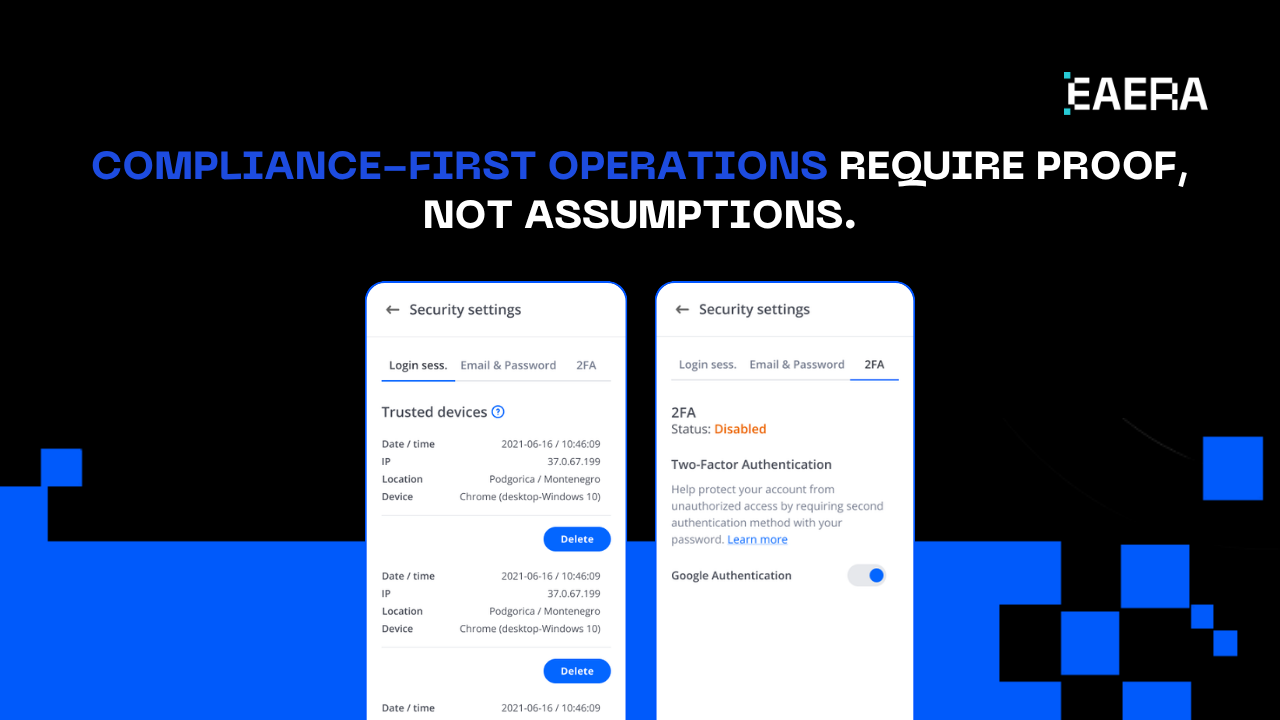
If there is no strong back-office layer, these answers often live in emails, spreadsheets, screenshots, or manual team checks.
Client Verification, KYC, and Approval Workflows
The first role of an FX back office is to support teams with client onboarding management. Brokers must verify the identity of the client, the documents submitted, the review process, and whether the client has access to products, payments, or trading accounts.
A strong system should support:
- Client profile completion
- Required field control
- Document upload status
- KYC review queue
- AML screening status
- Approval or rejection reason
- Client risk category
- Country or entity restrictions
- Client notification history
- Manual override history
Compliance teams need transparency, not email threads. Sales and support teams require awareness of client status, such as pending documents, under review, approved, rejected, blocked, or restricted.
A strong FX back office should link KYC status to account access, ability to pay, creation of trading accounts and eligibility to withdraw.
For example, withdrawal may be limited for a client who has not completed verification. A restricted client may be refused to open a trading account. Some products or payment methods may require additional review for a client in a specific region.
Fewer invalid requests, more clear approvals, and it helps teams keep their onboarding process consistent.
It’s not just about approving clients faster. The goal is to approve clients with clear records, visible decision-making logic, and structured review steps.

Role-Based Permissions and Audit Trails
Compliance risk is not solely generated by clients. And it also comes from internal access and manual changes.
An FX back office should allow role-based access, so each team only views and changes what they are allowed to manage. Access should differ for sales, finance, compliance, support, risk, and management.
Core governance features include:
- Role-based permissions
- Team-level access control
- Approval workflows
- Manual change reason
- Login and activity logs
- Status change history
- Admin action audit trail
- Controlled visibility for sensitive data
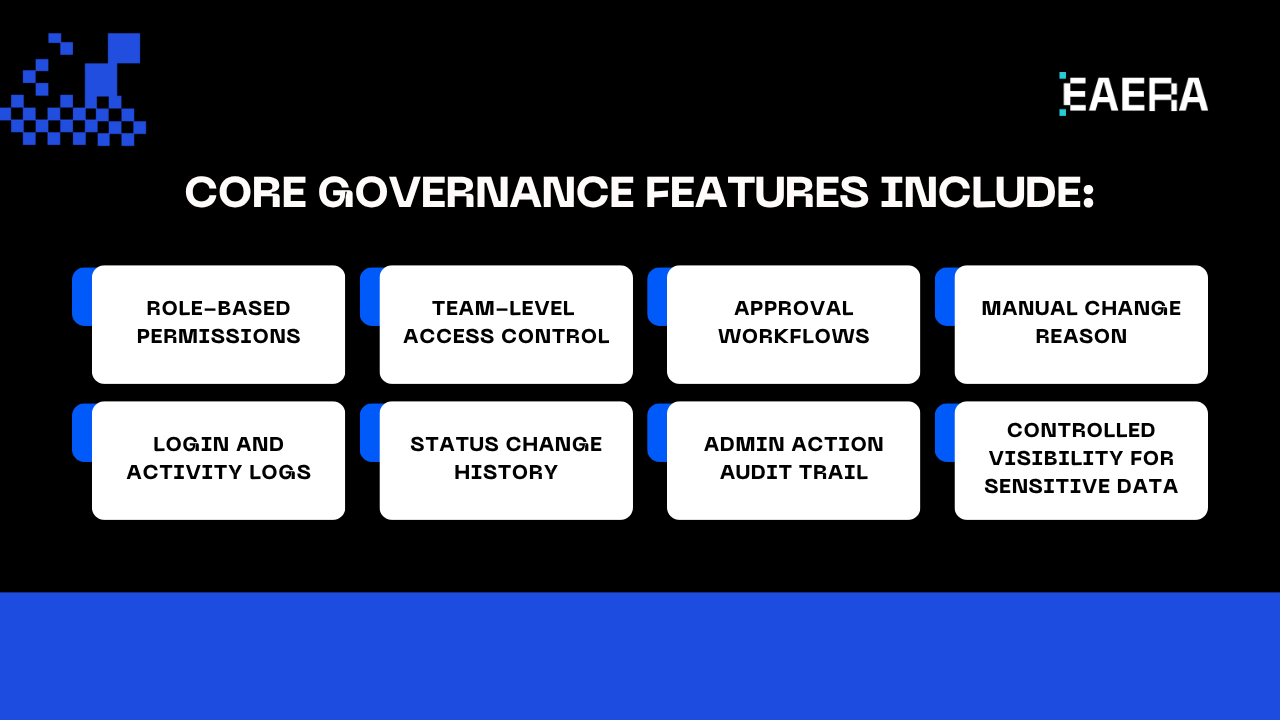
If anyone can approve KYC, change client ownership, edit payment status, or change withdrawal records without traceability, the broker creates operational risk.
The compliance first back office must make internal activity traceable, reviewable, and accountable. The system should log who made a change, when it was made and why it was made when a user changes a client status, adjusts a transaction, unlocks an account, or approves a request.
This allows management to review team activity and gives compliance teams stronger evidence during internal reviews. It also lessens reliance on verbal explanations or scattered records.
Strong permission control is particularly important for brokers with multiple departments, regional teams, outside partners, or white-label operations.
Transaction Monitoring, Payment Control, and Withdrawal Governance
Payments and withdrawals are high-risk operations. Broker compliance first needs to understand how the money comes in, how it flows, and how it goes out.
Wallet credit may require deposit verification. Withdrawals may be subject to finance approval, KYC validation, AML review, or additional documentation. A repeated failed payment may indicate a friction or suspicious activity method. Broker policy may require further review for high value withdrawal.
A compliance-first FX back office would link transaction status to client risk, KYC status, wallet activity, trading account funding, and approval history.
Transaction governance means knowing the status, owner, approval path and audit trail of every deposit, withdrawal, transfer, and adjustment.
This is important for client experience as well as internal control. Support should be able to see if a withdrawal is pending finance review, compliance review, payment provider processing, or missing documentation if a client asks why a withdrawal is delayed. If a transaction is rejected, the reason should be logged and visible to the right teams.
This reduces manual uncertainty for brokers, enhances client communication, and operational discipline.
Trading Account Controls, Risk Alerts, and Client Activity Visibility
A broker’s view of compliance should extend to trading account operations. If the status and activity of a trading account remain disconnected, client verification and payment control are not enough.
An FX back office should give teams visibility into:
- Trading account creation
- Account type
- Account status
- Balance and equity
- Leverage setting
- Account lock or disable status
- Active and inactive accounts
- First trade status
- Unusual activity signals
- High-risk account flags
- Account transfer history
Compliance and risk teams must identify the accounts that need to be reviewed. This may include restricted clients attempting to trade, dormant accounts becoming active, abnormal funding to trading patterns or accounts with status conflicts.
The back office should help teams to spot operational and client activity problems before they become bigger control issues.
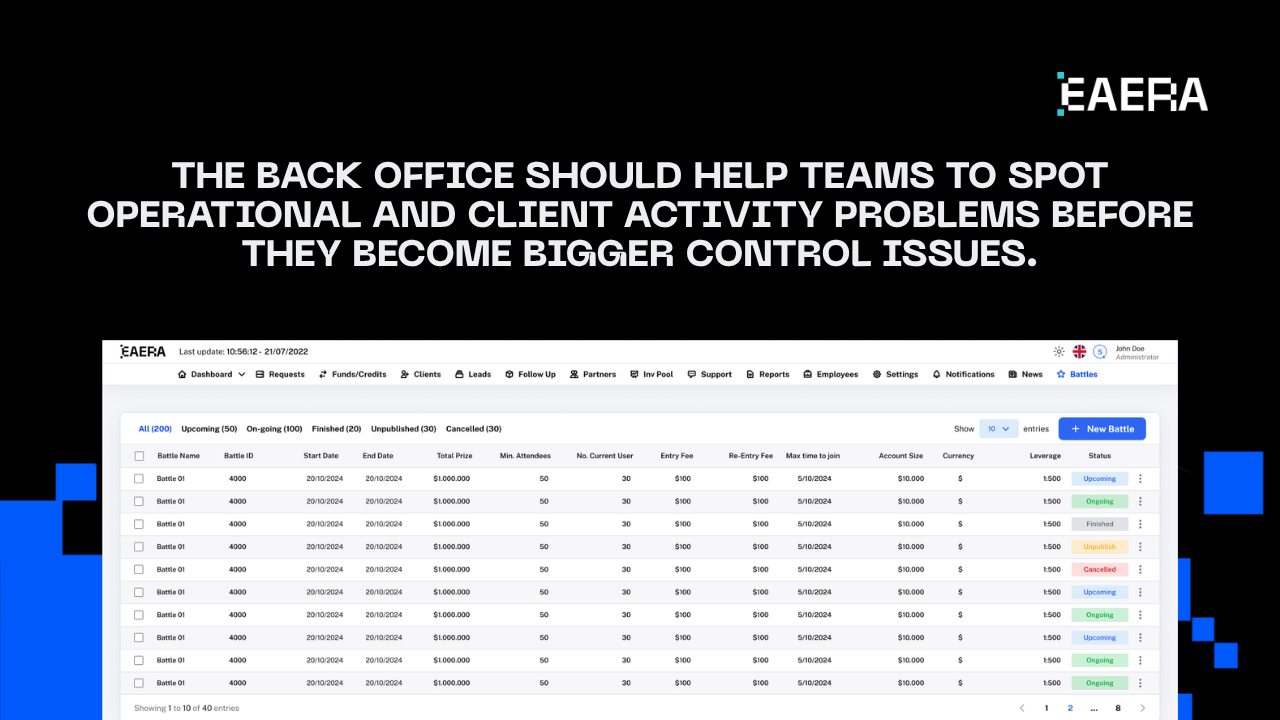
Real-time visibility is useful for internal coordination as well. Risk teams can monitor account activity, support teams can address client questions, and management can see the effect of account controls on the broader client lifecycle.
Broker teams can use this checklist to evaluate back-office readiness:
| Area | What the Back Office Should Control |
| Client onboarding | KYC, AML, approval, rejection, restrictions |
| Internal access | Roles, permissions, approval workflows |
| Audit trail | Status changes, manual edits, admin actions |
| Payments | Deposits, wallets, failed payments, adjustments |
| Withdrawals | Review, approval, rejection, completion status |
| Trading accounts | Account status, leverage, restrictions, activity |
| Reporting | Compliance tasks, risk flags, operational KPIs |
An FX back office makes operations visible, structured and reviewable throughout the whole client lifecycle to brokers.
In 2026, brokers should select back-office systems that support operational efficiency and compliance discipline.