



US FX Broker needs technology that can scale with regulation, client volume, funding activity, trading operations, and internal team complexity. The challenge is not just to launch a brokerage platform. The harder part is to build a tech stack that remains in control, connected, and measurable as the business grows.
Related articles:
- Forex Broker Software: The Essential Tool for Clear Business Insights
- The Importance of Forex CRM: Why Every Forex Broker Needs One
This article reviews the primary challenges confronting US FX brokers and the technological solutions that empower brokerages to scale without developing operational blind spots.
The US FX Trading Market Is Highly Regulated and Hard to Scale
The US FX trading market is one of the most regulated retail forex environments. Brokers in this market must manage expectations around registration, disclosure, recordkeeping, reporting, capital requirements, customer communication, and operational controls.
This makes it more difficult to grow. A broker simply can’t throw in more leads, more clients, more payment methods and more trading accounts without improving the systems behind the operation.
A growing FX broker has to manage more clients, more records, more internal approvals, more reporting, and stronger evidence of controlled operations. What works for a small team can quickly become a risk as the business expands.
Broker impact often appears in areas such as:
- Manual processes become harder to defend
- Disconnected records increase review risk
- Client status changes need audit trails
- Internal permissions become harder to control
- Reporting workload increases as the business grows
- Support teams need faster access to client and transaction history
- Finance teams need clearer visibility over deposits and withdrawals
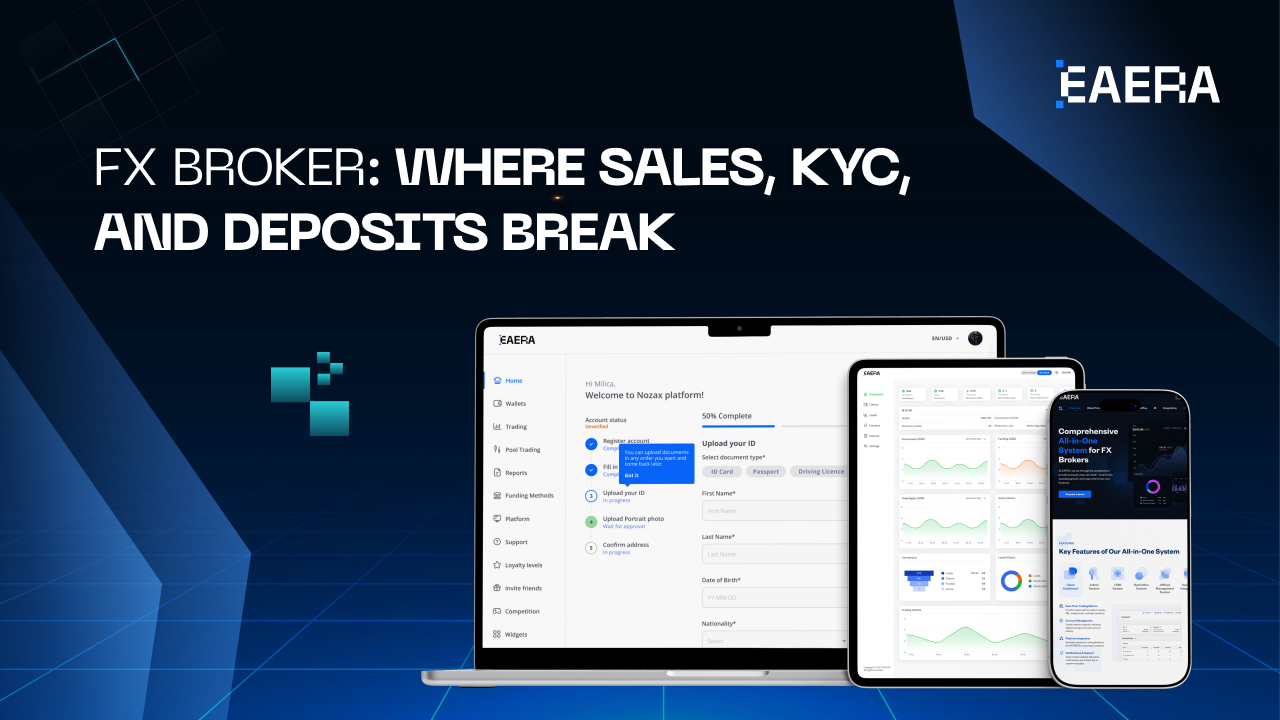
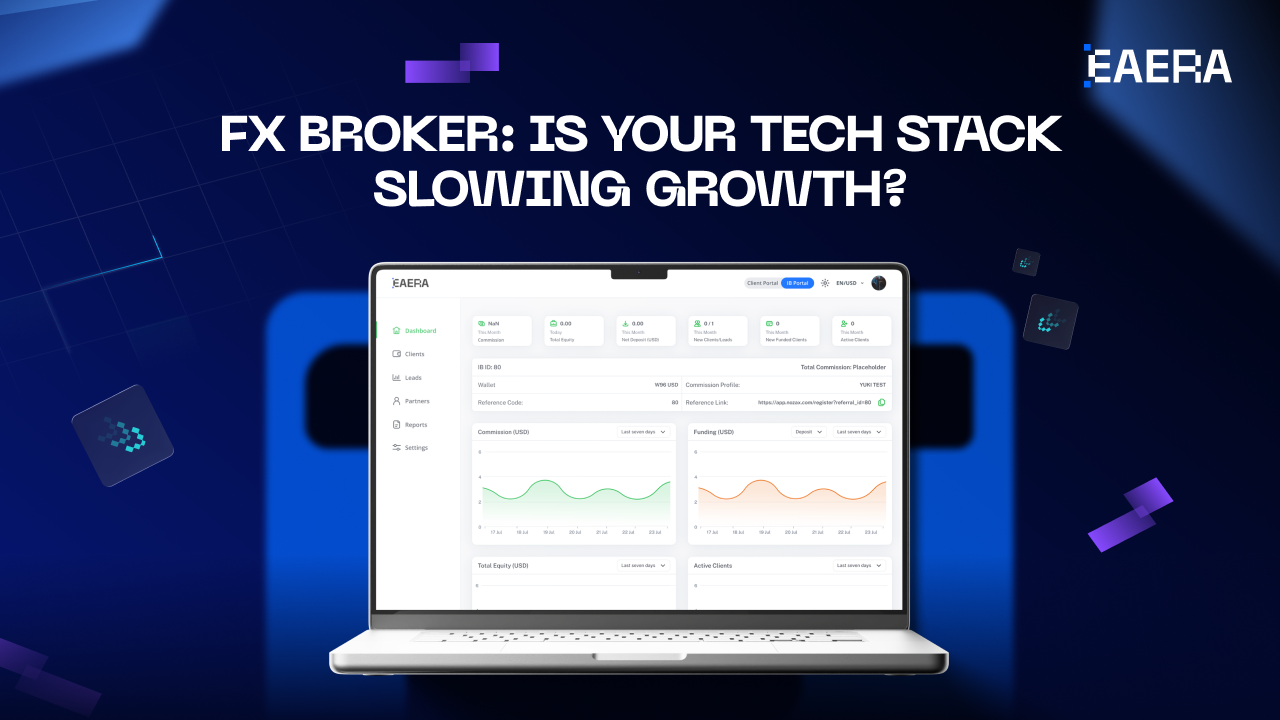
The aligned solution is a connected tech stack. Broker tech should integrate CRM, back office, KYC, permissions, audit logs, payment visibility, trading account operations and reporting within a single operating environment.
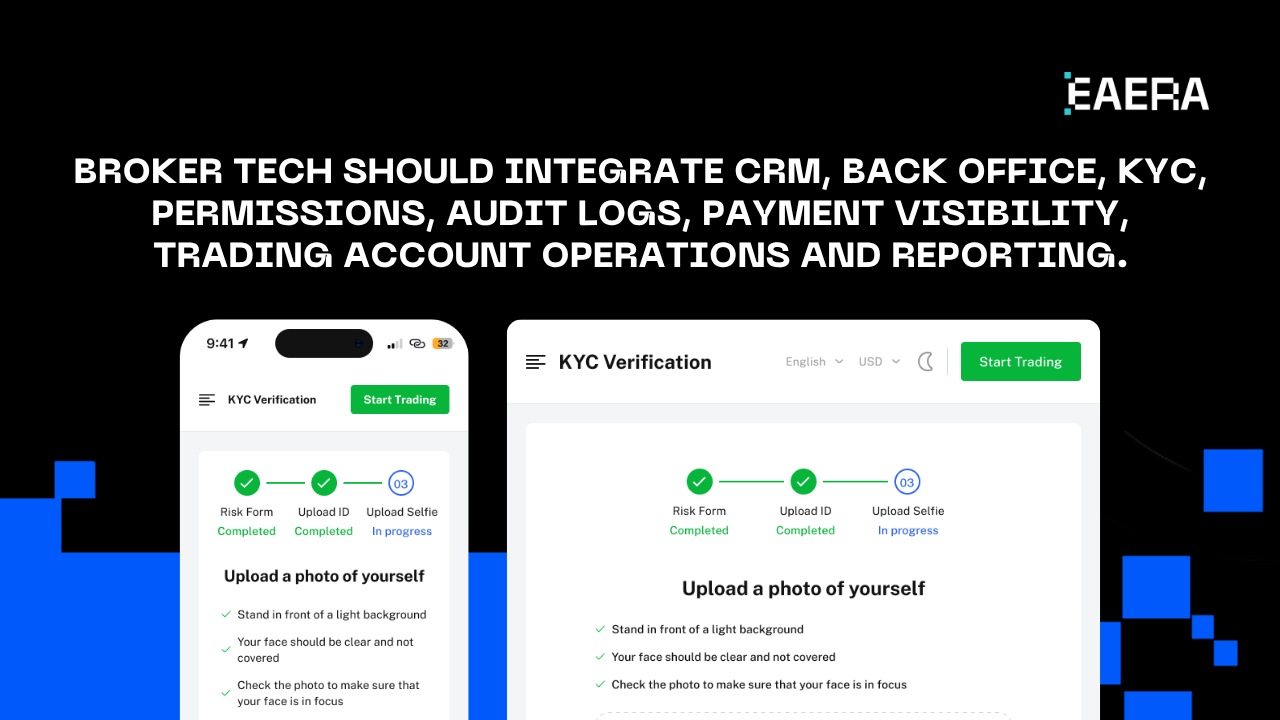
The goal is not only to run daily operations. The goal is to build systems that scale but do not lose control.
Client Growth Creates Lifecycle Blind Spots
When a brokerage firm grows, client data typically exists in disparate systems. Leads come in through marketing forms. KYC documents may be sitting in a verification system. Finance can only see payment status. The trading could stay on the trading platform. Support conversations might be stored separately.
This generates blind spots in the lifecycle.
The sales team may not be aware that the client has done KYC. Support may not know if the client tried a failed deposit. A funded client may not have ever placed a first trade, but retention may not know. Management may not know where in the process between registration and activation clients drop off.
The challenge is obvious: a larger FX broker cannot effectively manage client growth if every team has just a piece of the client journey.
A scalable solution should unify:
- Lead source
- Client profile
- Sales owner
- KYC status
- Payment status
- Trading account status
- Support history
- Retention stage
The client lifecycle infrastructure helps brokers translate client status into team action. A new lead should trigger ownership by sales. KYC approved clients should trigger funding follow up. An inactive-funded client should prompt activation support. A dormant client should prompt a retention review.

Lifecycle visibility is not only about increased sales for US brokerages. It also helps to keep records clean, improve client service, and ensure more controlled operations.
Compliance Workflows Become Too Manual
Compliance workflows become more complex as brokerages grow. More clients mean more KYC reviews, more status changes, more approvals, more restrictions, and more internal decisions that need to be tracked.
Manual compliance workflows may work in the beginning but become risky at scale. It’s hard to prove who viewed what, when a decision was made, and why a client’s status changed with email approvals, spreadsheet notes, and scattered document folders.
Common issues include:
- KYC review status is unclear
- Approval reasons are not recorded
- User permissions are too broad
- Manual changes lack reason codes
- Client restrictions are not synced
- Audit history is incomplete
- Compliance tasks are not visible to managers
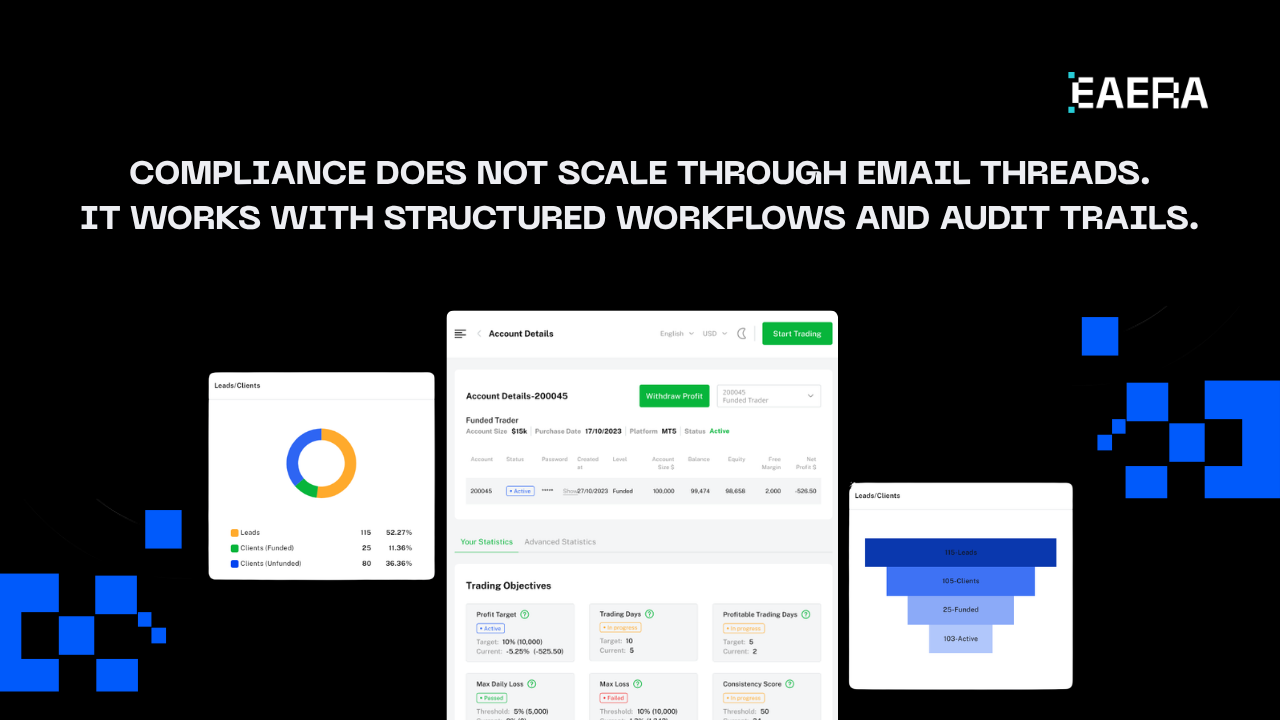
The solution is structured compliance technology. An FX broker tech stack should be able to support role-based access, approval workflows, KYC status tracking, client restrictions and audit trails and reporting readiness.
This allows teams to treat compliance as an operational process rather than an after-the-fact review. If a client is approved, restricted, rejected, or reclassified, the system should log into the action and make it available for authorized teams.
Compliance does not scale through email threads. It works with structured workflows and audit trails.
Payments and Withdrawals Create Operational Pressure
Payments are one of the most sensitive aspects of broker operations. Deposits are signals of conversion, and withdrawals signals of trust. Both require speed, visibility, and control.
The problem is that payment activity is often disconnected from CRM and fuels workflows. A verified customer may try to deposit and fail, but sales may not be aware. Support may not know if there is a pending withdrawal waiting for finance, compliance, or payment provider processing.
These gaps impact conversion, client experience, and internal workload for any FX broker.
A scalable broker system should connect:
- Deposit attempts
- Failed payments
- Wallet balances
- Trading account funding
- Internal transfers
- Withdrawal requests
- Approval stages
- Rejection reasons
- Finance review status
- Client notification history
This turns the payment activity into an operational activity. Follow up support may be prompted by a failed deposit. A completed deposit may initiate an activation task. A pending withdrawal can be seen by support. A declined withdrawal may have a recorded reason. Multiple payment failures can indicate payment method friction.
Scalable payment technology helps brokers recover missed deposits, reduce support pressure, and improve withdrawal transparency.
The goal is not only faster payment handling. The goal is to connect money movement with client lifecycle action.
Trading Activity Is Not Connected to Business Action
Opening more accounts does not grow a brokerage. It grows as clients fund, trade, stay active and build long-term value.
The challenge is that trading activity is often happening within trading platforms while sales, support, and retention teams work from CRM records. This means the team misses important client signals at the right time.
Examples include:
- A funded client has not placed a first trade
- An active trader becomes dormant
- A high-value client reduces trading volume
- Account status conflicts with CRM status
- A partner brings registrations but not active traders
- Client activity patterns require review
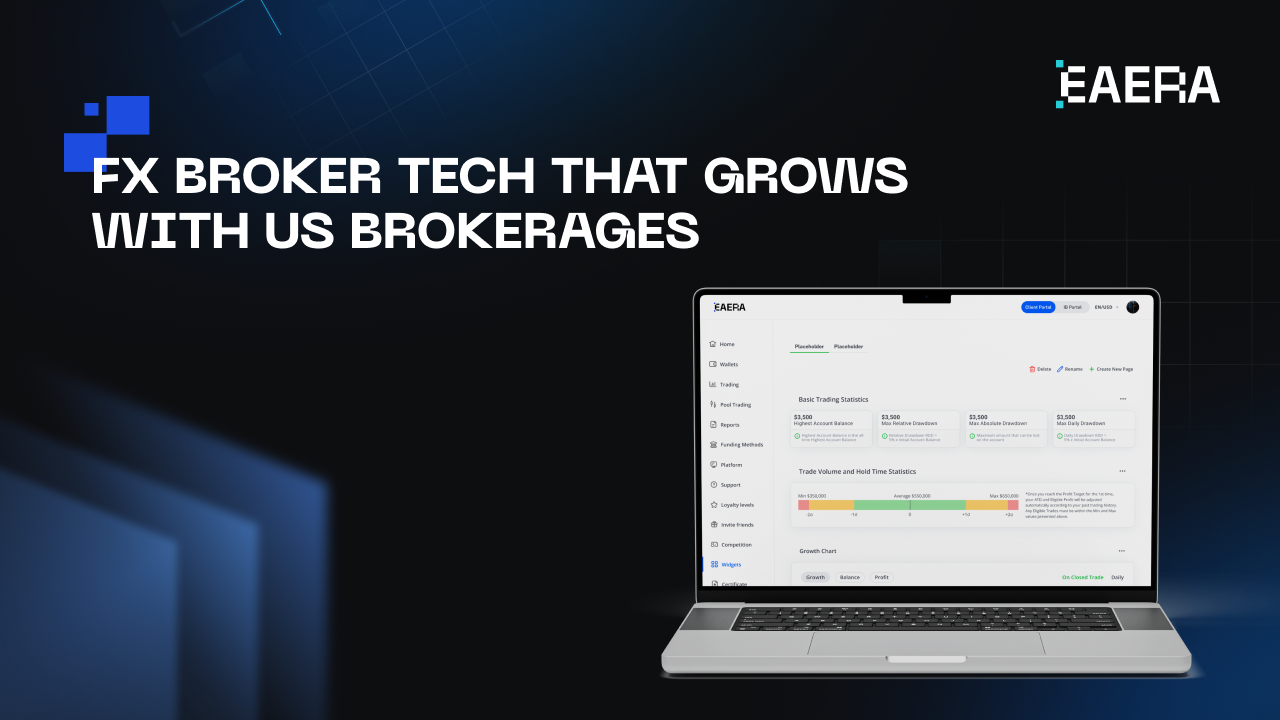
A modern FX broker tech stack should integrate trading account operations with CRM and reporting.
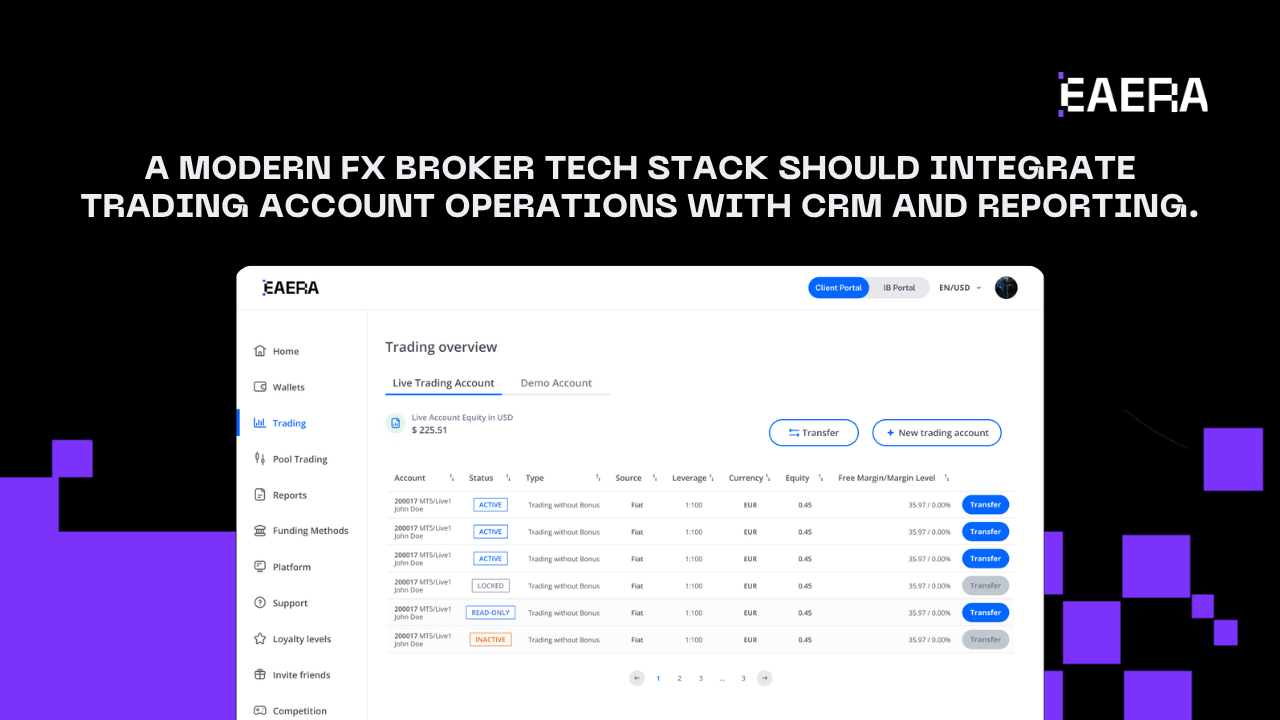
It should display account creation date and type, account status, first trade status, last trade date, volume of trading, balance, equity, active vs inactive clients, restrictions and risk flags.
This provides teams with the context to act. Sales can follow up on a funded client who has not traded. As activity wanes, retention can take over. Risk teams may review unusual patterns. Management can see which channels bring active traders, not just sign-ups.
Trading data should be an operational signal, not a standalone report.
An FX broker requires technology to link lifecycle data, compliance workflows, payments, trading accounts, reporting and automation.
The best technology isn’t just created to launch. It’s designed to grow with the broker.